Aloe vera is one of the most versatile and beloved plants in the world. Known for its medicinal gel, striking appearance, and easy-care nature, aloe thrives in a wide variety of homes and gardens. However, the key to keeping aloe healthy and productive lies in understanding its sunlight needs. Whether you grow it as a potted houseplant or in an outdoor garden, giving aloe the right balance of light ensures strong growth, vibrant leaves, and a steady supply of healing gel.
Understanding Aloe’s Natural Habitat
Aloe vera is native to arid and semi-arid regions, where it grows in full sun and well-draining soil. Its fleshy leaves store water, helping it survive dry spells. However, despite being a sun-loving plant, aloe can become stressed if suddenly exposed to too much intense light or if it spends long periods in deep shade. Learning how to adjust sunlight conditions—indoors and outdoors—will keep your aloe thriving.
Growing Aloe Indoors: Light Requirements
Indoors, aloe vera requires bright, indirect sunlight to grow well. A south- or west-facing window is usually the best choice, as it provides plenty of light throughout the day. If the plant doesn’t receive enough light, you’ll notice the leaves becoming thin, pale, or stretching toward the window—a condition called etiolation.
To prevent this, rotate the pot every week or two so that all sides of the plant receive equal light. This helps aloe maintain its symmetrical rosette shape and avoids leaning or bending in one direction.
If you live in an area with long, cloudy winters or rooms without enough natural sunlight, supplementing with a grow light is beneficial. Position the grow light about 6–12 inches above the plant and keep it on for 12–14 hours daily. This mimics the bright conditions aloe needs in its native environment.
Growing Aloe Outdoors: Light Considerations
Outdoors, aloe vera flourishes in direct sunlight, but it must be introduced gradually if it has been growing indoors. Sudden exposure to intense sun can cause sunburn, leaving brown or reddish patches on the leaves. To acclimate your aloe, place it in a partially shaded area for a week or two, then move it into brighter light gradually.
In warm climates, aloe can thrive year-round outdoors in a sunny location with well-draining soil. In cooler regions, it is best to grow aloe in containers that can be moved inside during cold months, since aloe cannot tolerate frost.
Signs Your Aloe Needs More or Less Sun
Reading your aloe’s signals is the best way to know if it is receiving the right amount of light.
-
Too little light: The leaves become weak, elongated, or pale green. Growth slows, and the plant may look limp.
-
Too much light: Leaves turn reddish, brown, or dry at the tips, which indicates sun stress or burning.
-
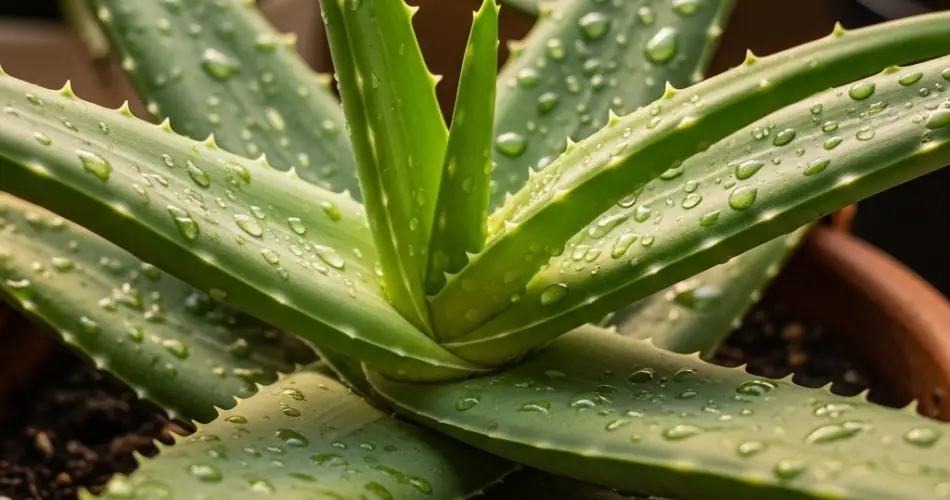
Just right: Aloe has firm, upright leaves with a vibrant green color and steady growth.
Adjust the plant’s placement depending on these signs, whether by moving it closer to a sunny window indoors or shifting it into partial shade outdoors.
Balancing Sunlight and Temperature
Aloe vera loves warmth, ideally between 55–80°F (13–27°C). While it thrives in full sun outdoors, extreme heat can sometimes stress the plant. In scorching climates, provide light afternoon shade to protect aloe from harsh rays. Indoors, avoid placing the plant directly against hot glass windows, as the concentrated heat can damage the leaves.
Conversely, aloe should never be left in prolonged cold or frost. If outdoor temperatures dip below 50°F (10°C), bring container-grown aloe indoors to a bright, sunny spot.
Practical Sunlight Care Tips
-
Indoors: Place aloe near the brightest window available, preferably south-facing. Rotate regularly for even growth.
-
Outdoors: Choose a location with full sun but acclimate gradually to prevent sunburn.
-
Seasonal adjustments: In summer, protect from extreme midday sun in very hot regions. In winter, ensure enough indoor light with grow lamps if necessary.
-
Container growth: For those moving aloe between indoors and outdoors, always transition slowly when changing environments.
Conclusion
Sunlight is the most important factor in aloe vera’s health, whether you grow it indoors or outdoors. By giving it plenty of bright, indirect light indoors and gradually acclimating it to full sun outdoors, you can avoid common problems like etiolation and sunburn. Pay attention to your plant’s signals, make seasonal adjustments, and provide the right balance of warmth and light. With proper sunlight care, your aloe will stay robust, attractive, and ready to provide its healing gel whenever you need it.


