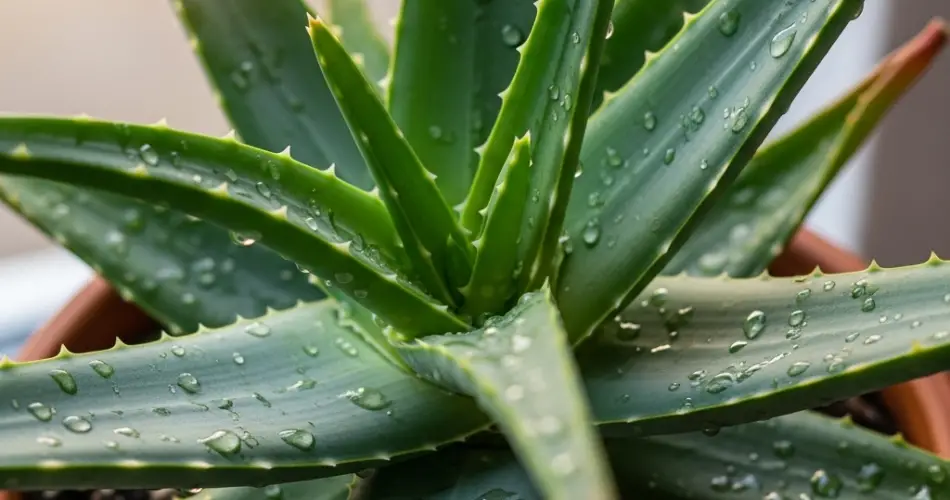
Aloe vera is one of the most cherished succulents, valued for its medicinal gel, attractive spiky leaves, and ability to thrive with minimal care. However, despite its hardy reputation, aloe vera is highly susceptible to one problem: root rot. This condition often arises from poor potting practices and overwatering, leading to unhealthy, mushy roots that eventually kill the plant if not addressed. Fortunately, with the right potting techniques, you can prevent root rot and keep your aloe vera thriving for years.
Why Aloe Vera Gets Root Rot
Root rot develops when the plant’s roots sit in waterlogged soil for too long. Aloe vera is native to arid regions and has adapted to store water in its fleshy leaves, which means it requires fast-draining soil and infrequent watering. When grown in dense soil or pots without proper drainage, excess moisture suffocates the roots and encourages fungal infections. Early signs of root rot include yellowing leaves, soft or drooping foliage, and an unpleasant smell from the soil.
Preventing root rot begins with creating the right potting environment.
Choosing the Right Pot
The type of pot you select plays a major role in keeping aloe vera roots healthy.
-
Drainage holes are essential: Always choose a pot with at least one drainage hole at the bottom. Without drainage, water collects and stagnates, increasing the risk of rot.
-
Terracotta or clay pots: These are the best choices for aloe vera because they are porous and allow excess moisture to evaporate. They also provide extra stability for the plant’s heavy leaves.
-
Avoid oversized pots: Large containers hold more soil, which retains water for longer periods. Aloe vera prefers a snug pot that allows the roots to fill the space without being overcrowded.
Creating the Perfect Soil Mix
Soil quality is just as important as the pot itself. Aloe vera needs a loose, airy mix that dries quickly between waterings.
-
Cactus or succulent mix: These ready-made blends are ideal because they are formulated for drought-loving plants.
-
DIY soil blend: Combine two parts regular potting soil, one part perlite or pumice, and one part coarse sand. This ensures proper aeration and prevents compaction.
-
Avoid heavy soils: Garden soil or moisture-retentive mixes are unsuitable, as they hold too much water around the roots.
A well-draining mix mimics aloe’s natural desert habitat, reducing the risk of fungal infections.
Proper Potting Technique
When potting aloe vera, following the right steps ensures a strong foundation for healthy growth.
-
Prepare the pot: Place a piece of mesh or a shard of broken pottery over the drainage hole to prevent soil from escaping while still allowing water to drain.
-
Layer the soil: Add a base layer of your succulent mix, then position the plant so the crown (where the leaves meet the roots) sits slightly above the soil line.
-
Backfill carefully: Fill in around the roots with soil, gently pressing down to eliminate air pockets without compacting too tightly.
-
Do not water immediately: Allow the plant to settle for a few days before watering. This gives any minor root injuries time to heal and reduces the chance of rot.
Watering After Potting
Even with perfect soil and pots, watering habits are crucial to preventing root rot.
-
Soak and dry method: Water deeply until excess drains from the bottom, then wait until the soil has completely dried before watering again.
-
Seasonal adjustment: In spring and summer, aloe may need watering every 2–3 weeks depending on your climate. In fall and winter, reduce watering to once a month or less.
-
Check before watering: Always test the soil by inserting your finger or a moisture meter. If it feels damp, wait a few more days.
Overwatering is far more harmful to aloe vera than underwatering.
Repotting to Refresh and Protect
Over time, even the best soil breaks down and retains more moisture. Repotting every 2–3 years refreshes the soil and prevents compaction. It also gives you an opportunity to inspect the roots.
-
Healthy roots: Firm, white or light-colored roots indicate good health.
-
Rotten roots: Black, mushy, or foul-smelling roots should be trimmed away with sterilized scissors. After trimming, let the plant dry for a day before repotting into fresh soil.
Repotting not only prevents root rot but also encourages new growth by giving the plant more space to expand.
Extra Tips for Healthy Aloe Growth
-
Light: Place aloe in bright, indirect sunlight. Too little light weakens the plant, while too much intense sun can scorch the leaves.
-
Temperature: Aloe vera prefers warm conditions between 55–80°F (13–27°C) and should be protected from frost.
-
Fertilizer: During the growing season, feed with a diluted succulent fertilizer once or twice. Over-fertilizing can stress the roots and increase vulnerability to rot.
-
Leaf cleanup: Remove dead or damaged leaves at the base to improve airflow around the plant.
Keeping Aloe Strong and Root-Rot Free
Root rot is one of the few problems that can seriously harm aloe vera, but it is also one of the easiest to prevent. By selecting the right pot, preparing a fast-draining soil mix, following careful potting techniques, and watering correctly, you can create the ideal environment for your plant. With these practices, your aloe vera will remain healthy, vibrant, and ready to provide its soothing gel whenever you need it.


