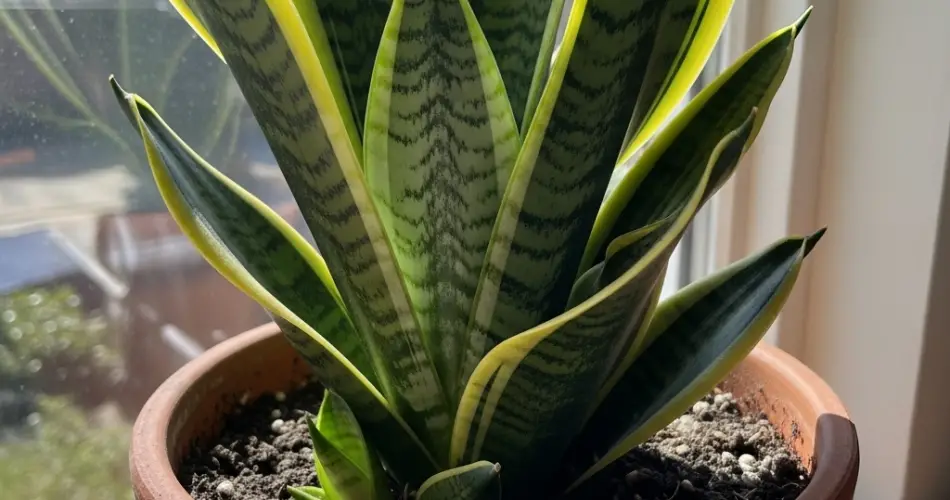
Snake plants (Sansevieria or Dracaena trifasciata) are beloved for their upright, sword-like leaves, easygoing nature, and air-purifying qualities. One of the most rewarding aspects of growing this plant is that it can be easily propagated. Whether you are expanding your collection or sharing with friends, propagating snake plants is a simple process that yields new growth from just a leaf. With the right techniques and a little patience, you can turn one plant into many.
Why Propagate Snake Plants?
Propagation not only allows you to create new plants for free but also helps rejuvenate older snake plants that may be crowded or overgrown. It is also an excellent way to rescue a plant that has suffered damage. By rooting healthy leaves or divisions, you can preserve the plant’s beauty and vigor while enjoying the satisfaction of nurturing new growth.
Best Time for Propagation
The ideal time to propagate snake plants is during the growing season, typically in spring and summer. During this period, the plant is actively producing energy, which speeds up root development and new growth. While you can propagate at any time of year, success rates are higher when the plant is not in its dormant winter phase.
Propagation Methods
There are several ways to propagate snake plants. Each method has its own advantages, so you can choose one depending on your preference and available resources.
1. Leaf Cuttings in Soil
This is one of the most common and straightforward methods.
-
Select a healthy, mature leaf from your snake plant.
-
Use a clean, sharp knife or scissors to cut the leaf near the base.
-
Cut the leaf into smaller sections, each about 2–3 inches long. Be sure to mark which end is the bottom, as only the correct orientation will root successfully.
-
Allow the cuttings to air-dry for a day or two to let the wounds callus over. This step reduces the risk of rot.
-
Plant the cuttings in a pot filled with well-draining soil, inserting the base end about an inch deep.
-
Water lightly and place the pot in bright, indirect light.
Over time, new roots and shoots will emerge, though this method requires patience. Snake plants grow slowly, and it may take several months to see noticeable new growth.
2. Leaf Cuttings in Water
Propagating in water allows you to observe root growth, which can be rewarding.
-
Cut a healthy leaf near the base of the plant.
-
Place the cut end in a clean jar of water, ensuring that only the bottom portion is submerged.
-
Change the water every week to keep it fresh and oxygenated.
-
Place the jar in a bright spot with indirect light.
Roots should appear in a few weeks, followed by small pups. Once the roots are a few inches long, transfer the cutting into soil. Keep in mind that while this method is fun to watch, the plant may not grow as vigorously as those propagated directly in soil.
3. Division
For faster results, division is the best option.
-
Remove the entire snake plant from its pot.
-
Gently separate the root ball, looking for natural divisions or clusters of leaves.
-
Use a clean knife to cut through the roots if necessary, ensuring that each division has both roots and leaves.
-
Replant each division in its own pot with fresh, well-draining soil.
Division produces mature new plants almost instantly, unlike leaf cuttings, which take longer to grow pups.
Care for New Growth
Regardless of the propagation method you choose, proper aftercare is essential:
-
Light: Keep new plants in bright, indirect light. Avoid direct sun, which can scorch the tender leaves.
-
Watering: Snake plants are prone to root rot, especially when young. Water sparingly, allowing the soil to dry out between waterings.
-
Soil: Use a well-draining cactus or succulent mix to prevent soggy conditions.
-
Patience: Snake plants are slow growers. Even under ideal conditions, it can take several months before new shoots appear.
Common Mistakes to Avoid
-
Overwatering: This is the most common cause of failed propagation. Always err on the side of underwatering.
-
Planting upside down: Leaf cuttings will not root if planted in the wrong orientation.
-
Skipping the callusing step: Planting fresh cuttings immediately increases the risk of rot.
-
Lack of light: Without sufficient indirect light, root and shoot development will be very slow.
Conclusion
Propagating snake plants is a simple and satisfying process that allows you to multiply one of the most popular houseplants. Whether you choose to root cuttings in soil, try the water method, or divide an established plant, each approach can yield healthy new growth with time and care. By providing the right environment and avoiding common mistakes, you’ll soon have a thriving collection of snake plants to brighten your home or share with others.


