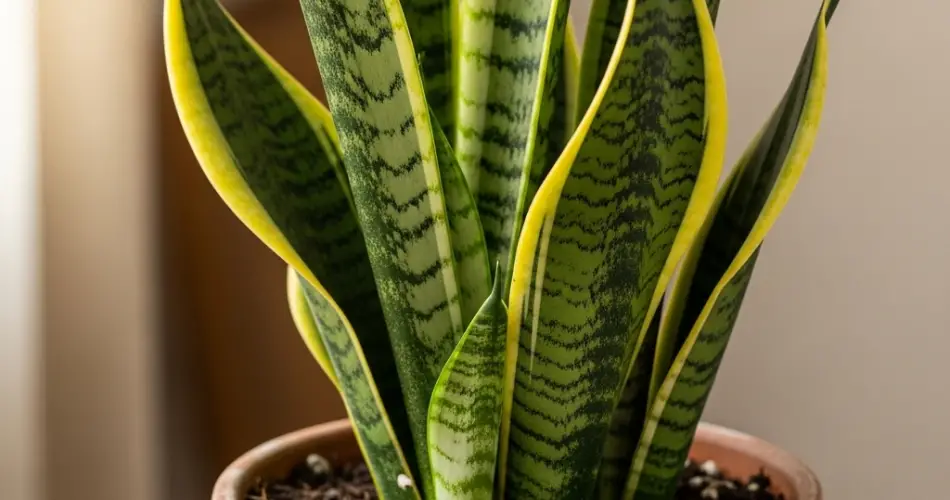
The snake plant (Sansevieria, also known as Dracaena trifasciata) is celebrated for its bold, upright leaves that add architectural beauty to any indoor space. With their striking variegation and sword-like shape, these plants instantly elevate the look of a room while requiring minimal care. However, one of the most common concerns among plant owners is drooping or bending leaves. Fortunately, keeping your snake plant leaves upright and vibrant is achievable with a few simple techniques. By focusing on proper care, you can maintain the plant’s structural elegance and enjoy its resilience for years.
Why Snake Plant Leaves Fall Over
Understanding the reasons behind floppy or drooping leaves is the first step toward fixing the issue. Snake plant leaves naturally grow tall and rigid, but several factors can weaken their structure:
-
Overwatering: Excess moisture softens the roots and stems, making the leaves unable to support their weight.
-
Low light: In dim conditions, leaves stretch toward the light, becoming weaker and more likely to droop.
-
Improper soil: Heavy, compact soil holds too much water and restricts root health.
-
Overcrowding: Snake plants that have outgrown their pots may push against one another, causing leaves to bend.
-
Physical damage: Leaves bumped, bent, or handled roughly can remain floppy.
By identifying the cause, you can take corrective steps to restore the plant’s upright posture.
Proper Watering Practices
One of the leading causes of drooping snake plant leaves is incorrect watering. Snake plants are succulents, which means they store water in their thick leaves and roots.
-
Water sparingly: Allow the soil to dry out almost completely before watering again. Overwatering suffocates the roots and leads to mushy leaves.
-
Adjust by season: In warmer months, water every 2–3 weeks depending on conditions. In winter, water even less frequently, about once a month.
-
Use well-draining pots: Containers with drainage holes are essential. Always empty saucers of standing water after watering.
By preventing waterlogged conditions, you’ll encourage strong root development, which in turn supports upright leaves.
Light Placement for Strong Growth
Snake plants are adaptable, but light quality affects their leaf structure significantly.
-
Bright, indirect light: This is ideal for keeping leaves sturdy and vibrant. Place your plant near an east- or west-facing window.
-
Low-light tolerance: While snake plants survive in dim spaces, they often develop elongated, weaker leaves that droop.
-
Direct sunlight: A few hours of morning or late-afternoon sun can strengthen growth, but harsh midday sun may scorch the leaves.
If your snake plant is leaning toward one side, rotate the pot every few weeks so that all leaves receive even light.
The Right Soil and Potting Techniques
Soil and pot size play a major role in the plant’s overall stability.
-
Well-draining soil: Use a cactus or succulent mix, or create your own blend with potting soil, perlite, and sand. This prevents root rot while still providing adequate nutrients.
-
Proper pot size: Snake plants like being slightly root-bound, but if the pot is too small, leaves may become crowded and bend outward. Choose a pot only 1–2 inches larger when repotting.
-
Terracotta pots: These are excellent for snake plants because they help wick away excess moisture, reducing the risk of soggy soil.
Repot every 2–3 years to refresh the soil and give roots more space to spread.
Supporting Leaves Physically
If your snake plant already has drooping leaves, physical support may be needed while the plant recovers.
-
Staking: Use small stakes or bamboo sticks to hold up floppy leaves until they regain strength. Tie loosely with soft plant ties to avoid damage.
-
Pruning: Remove older, damaged, or heavily bent leaves at the soil line. This encourages the plant to direct energy into producing strong new growth.
-
Division: If the plant has become overcrowded, divide it into smaller sections. This reduces competition and allows each section to grow upright.
Preventing Leaf Damage
Snake plant leaves are tough, but they can bend if handled roughly or placed in high-traffic areas. To keep them pristine:
-
Avoid brushing against the leaves frequently, as bending may cause permanent droop.
-
Place the plant in a stable spot where it won’t be knocked over.
-
Dust leaves regularly with a damp cloth to maintain their glossy appearance and improve photosynthesis.
Fertilization for Vibrancy
Snake plants don’t need heavy feeding, but occasional fertilization boosts leaf color and vitality.
-
Use a balanced, diluted liquid fertilizer once a month during spring and summer.
-
Avoid over-fertilizing, as too much can damage the roots and cause leaf burn.
-
Skip fertilization in the fall and winter when growth slows naturally.
A Sturdy, Stylish Houseplant
Snake plants are valued not only for their striking looks but also for their resilience. Keeping their leaves upright and vibrant comes down to balance: the right watering habits, proper light exposure, well-draining soil, and occasional pruning. With just a little care, your plant will retain its strong, upright form, making it a lasting feature in your home décor.
Whether placed in a minimalist corner, a modern office, or a cozy living room, a healthy snake plant brings both beauty and a sense of vitality to any space. By applying these techniques, you can ensure that your snake plant remains a bold, upright, and vibrant companion for years to come.


