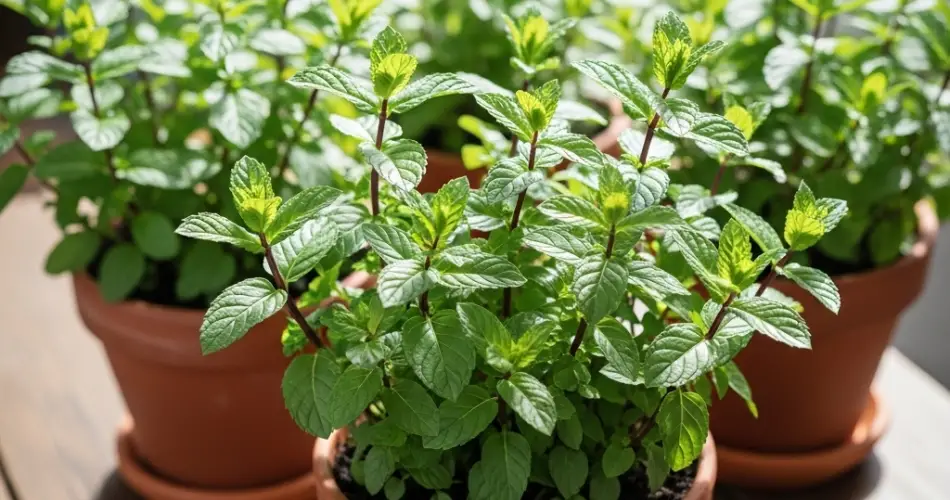
Mint (Mentha spp.) is one of the most aromatic and versatile herbs in the home garden. Whether you’re using it to flavor teas, desserts, savory dishes, or cocktails, mint brings a burst of freshness that’s hard to beat. But while it’s easy to grow, mint also has a well-earned reputation for being invasive. Once planted in the ground, it spreads aggressively, often crowding out nearby plants.
The best way to enjoy mint without letting it take over your garden is to grow it in a pot. Whether on your kitchen windowsill, balcony, or patio, potted mint is easy to manage, simple to care for, and provides a generous harvest with little effort.
Here’s how to grow mint in a container and keep it productive, compact, and under control.
Why Grow Mint in Pots?
Mint’s vigorous underground roots, known as rhizomes, spread quickly and can overrun a garden bed in just one season. By growing mint in containers, you:
-
Prevent it from becoming invasive
-
Control the plant’s size and spread
-
Easily move the pot for better sun exposure or convenience
-
Bring it indoors during colder months
-
Enjoy fresh mint right where you cook or relax
Pot-grown mint thrives just as well as garden-grown, without the hassle of aggressive spreading.
Best Mint Varieties for Containers
There are many types of mint, and most grow well in pots. Popular varieties include:
-
Spearmint (Mentha spicata): Mild, sweet, and perfect for teas and culinary use.
-
Peppermint (Mentha × piperita): Stronger flavor with menthol notes, great for desserts and drinks.
-
Chocolate Mint: A fun variety with a subtle cocoa aroma.
-
Apple Mint: Slightly fruity and ideal for summer beverages.
-
Pineapple Mint: Attractive variegated leaves with a fruity fragrance.
You can grow one variety per pot or experiment with several types in separate containers.
Choosing the Right Container
Mint doesn’t need a deep pot, but it does benefit from space to grow. Choose a container that is:
-
At least 10–12 inches wide and 8 inches deep
-
Equipped with drainage holes to prevent soggy roots
-
Made of terracotta, ceramic, or plastic, depending on your climate and aesthetic preference
Terracotta pots are porous and help prevent overwatering but dry out faster. Plastic retains moisture longer and is lighter to move around.
Place a saucer underneath the pot to catch runoff and keep indoor surfaces clean.
Soil Requirements
Mint grows best in rich, well-draining soil. Use a high-quality potting mix designed for herbs or vegetables. Avoid heavy soils that stay waterlogged.
For best results, you can blend your own mix:
-
2 parts potting soil
-
1 part compost or worm castings
-
1 part perlite or coarse sand for improved drainage
The ideal soil pH is between 6.0 and 7.0—slightly acidic to neutral.
Light and Temperature
Mint grows well in partial to full sun, but it prefers 4 to 6 hours of indirect sunlight daily. A spot with morning sun and afternoon shade is ideal. Indoors, a bright windowsill works well, or you can supplement with a grow light during darker months.
It thrives in temperatures between 60–75°F (15–24°C). Mint is hardy, but if you live in an area with frost, bring the pot indoors for winter or treat it as an annual.
Watering and Feeding
Mint enjoys moist, but not soggy soil. Water regularly—about 2–3 times a week during warm months—and reduce frequency in cooler seasons. Stick your finger in the soil; if the top inch feels dry, it’s time to water.
Feed mint every 4 to 6 weeks with a diluted, balanced liquid fertilizer or fish emulsion. Too much fertilizer can lead to leggy growth and reduce flavor, so feed sparingly.
Pruning and Harvesting
Frequent pruning keeps mint compact, bushy, and productive. Begin harvesting once the plant reaches 4 to 6 inches tall. Use scissors to snip stems just above a leaf pair.
To encourage branching:
-
Pinch the tips regularly
-
Remove flower buds as they appear (flowering signals the plant to slow leaf production)
Don’t harvest more than one-third of the plant at a time to avoid stress. The more you trim, the more it grows.
Troubleshooting Common Issues
-
Leggy growth: Usually due to low light. Move the plant to a sunnier location or add a grow light.
-
Yellowing leaves: Often caused by overwatering or poor drainage.
-
Pests: Mint is usually pest-resistant, but aphids or spider mites can appear. Rinse the leaves with water or use a gentle organic spray if needed.
If your mint becomes woody or overcrowded, divide the root ball and replant it in fresh soil every year or two.
Culinary Uses for Fresh Mint
Freshly picked mint leaves can elevate many recipes. Try mint in:
-
Teas, mojitos, and lemonades
-
Chopped into fruit salads or tabbouleh
-
Added to sauces like tzatziki
-
Garnishing desserts, soups, or grilled meats
For longer storage, freeze mint in ice cube trays with water, or dry bunches and store them in an airtight jar.
Final Thoughts
Growing mint in a pot is the best way to enjoy its refreshing flavor without worrying about it spreading uncontrollably. With minimal effort, you can keep a thriving plant right by your kitchen or patio. Just give it some sun, regular water, and a little trimming, and you’ll have fresh mint at your fingertips all season long.


