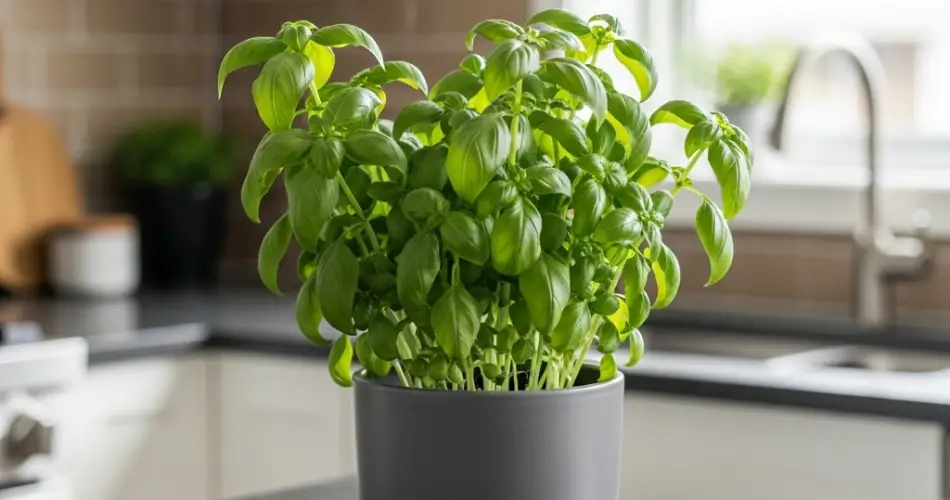
Basil is a beloved herb known for its vibrant aroma and flavor, especially in dishes like pesto, pasta, and caprese salad. One of the best things about basil is how easily it can be grown in containers, making it a perfect choice for indoor or balcony gardening. With just a little care, you can enjoy fresh basil leaves all year round—and with proper harvesting, your plant will keep producing more.
Here’s a complete guide on how to grow basil in pots for continuous harvests, ensuring your favorite herb is always within arm’s reach.
Why Grow Basil in Pots?
Growing basil in containers offers convenience, control, and easy access. You can place your basil pot in the sunniest corner of your kitchen, balcony, or windowsill, and move it as needed to optimize growing conditions. Containers also reduce the risk of pests and soil-borne diseases, and make it easy to manage watering and soil quality.
Most importantly, growing basil in pots means you’ll have a fresh supply of flavorful leaves whenever you want them.
Choosing the Right Variety
There are many basil varieties to choose from, each with unique flavor profiles and growth habits. Some popular types for container gardening include:
-
Genovese Basil – The classic Italian variety, ideal for pesto and salads.
-
Sweet Basil – Milder and slightly spicy, commonly used in everyday cooking.
-
Thai Basil – Has a distinctive anise flavor, perfect for Asian dishes.
-
Purple Basil – Ornamental and tasty, adding color and spice to your garden and meals.
-
Lemon Basil – Adds a citrusy twist to seafood and teas.
Choose one or more varieties depending on your culinary preferences.
Selecting the Right Pot
Basil has a shallow root system, but it grows best in a container that allows space for roots to spread and soil to stay moist without becoming waterlogged. Choose a pot that is:
-
At least 8–10 inches deep
-
8–12 inches in diameter
-
Equipped with drainage holes at the bottom
You can plant a single basil plant per pot or grow several in a larger container, leaving 6–8 inches of space between each plant.
Best Soil for Basil
Basil prefers well-draining, nutrient-rich soil. Use a high-quality potting mix formulated for vegetables or herbs. Avoid heavy garden soil, which can retain too much water and suffocate roots.
You can also amend your potting mix with a bit of compost or worm castings to improve fertility and moisture retention.
Planting Basil
You can start basil from seed or purchase small transplants from a nursery. If starting from seed:
-
Fill your container with moist potting mix.
-
Sow the seeds ¼ inch deep, spacing them a few inches apart.
-
Lightly cover with soil and mist with water.
-
Keep the soil moist until germination, which usually takes 5–10 days.
Once seedlings develop 2–3 sets of true leaves, thin them out by snipping the weaker ones at the base, leaving the strongest to grow.
Light and Temperature Requirements
Basil needs plenty of sunlight to thrive. Aim for:
-
6–8 hours of direct sunlight per day for outdoor or sunny windowsill placement.
-
If growing indoors without enough natural light, use a full-spectrum grow light for 12–14 hours daily.
Basil prefers warm temperatures and doesn’t tolerate cold well. Keep it in a space that stays between 65°F and 85°F (18°C to 29°C), and protect it from drafts or chilly nights.
Watering and Feeding
Basil likes consistent moisture but hates soggy soil. Water when the top inch of soil feels dry. Water deeply, allowing excess to drain, and never let the pot sit in standing water.
To encourage healthy, leafy growth, feed your basil every 4–6 weeks with a balanced, water-soluble fertilizer. Avoid over-fertilizing, which can result in less flavorful leaves.
Pruning and Harvesting for Continuous Growth
One of the secrets to keeping basil growing is frequent pruning. Start harvesting once the plant reaches about 6 inches tall:
-
Pinch off the top sets of leaves just above a leaf node (where leaves branch out from the stem).
-
Always harvest from the top to encourage bushier growth below.
-
Never remove more than one-third of the plant at once.
Removing flower buds as soon as they appear will also prolong leaf production and improve flavor. Once basil begins to flower, it shifts energy away from leaf growth.
Dealing with Common Issues
-
Leggy plants: Usually caused by insufficient light—move to a sunnier location or use a grow light.
-
Yellowing leaves: May indicate overwatering or lack of nutrients.
-
Pests: Indoors, basil is relatively pest-free but may attract aphids or fungus gnats. Treat with neem oil or insecticidal soap if necessary.
-
Fungal diseases: Ensure good air circulation and avoid watering the leaves to prevent mold and mildew.
Final Thoughts
Growing basil in pots is an easy and rewarding way to ensure a continuous supply of this aromatic herb for your kitchen. With the right care—ample sunlight, proper watering, and regular harvesting—you can enjoy vibrant basil leaves for months. Whether you’re whipping up a fresh pesto or simply garnishing your meal, your potted basil plant will provide flavor and freshness with every snip.


