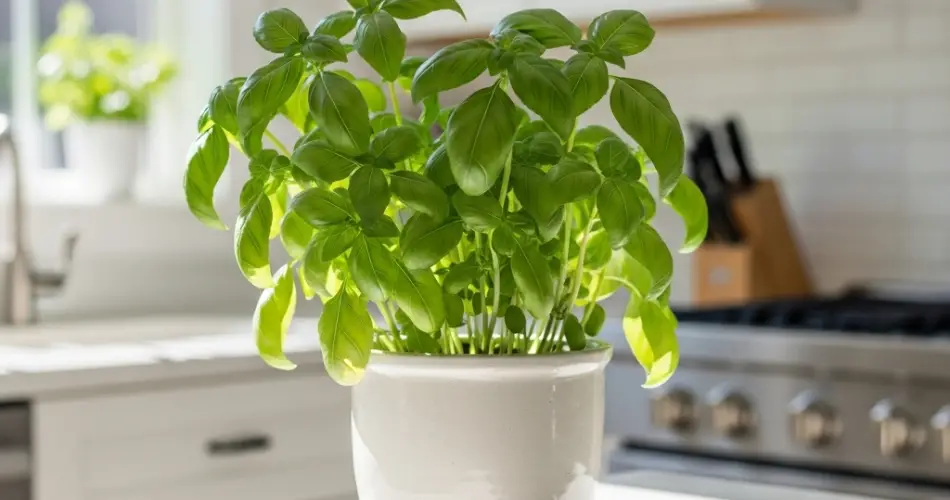
Basil (Ocimum basilicum) is one of the most popular and versatile herbs used in home cooking. Its sweet, peppery flavor enhances everything from pasta and pizza to salads and sauces. Best of all, it’s easy to grow at home—even if you’re just getting started with indoor gardening.
Whether you’re working with a sunny windowsill or a balcony with limited space, potting basil is a rewarding way to keep this fresh herb within arm’s reach. With a few basic supplies and simple care tips, you’ll be harvesting your own basil in no time.
Why Grow Basil in Pots?
Growing basil in pots gives you control over its environment and allows you to enjoy fresh leaves year-round. Potting also helps prevent common problems like soil-borne diseases and pests, especially if you’re keeping your plant indoors.
Some key benefits of growing basil in pots include:
-
Mobility: Easily move the pot to follow the sun or bring it indoors during cold weather.
-
Space-saving: Ideal for kitchens, windowsills, patios, or balconies.
-
Accessibility: Snip fresh basil whenever you need it for cooking.
Best Basil Varieties for Containers
While most basil varieties do well in pots, some are particularly well-suited to small spaces:
-
Genovese Basil: The classic variety used in pesto, known for large, aromatic leaves.
-
Sweet Basil: Mild and widely used in Italian dishes.
-
Thai Basil: Distinctive flavor with hints of licorice and purple stems—great for Asian cuisine.
-
Spicy Globe Basil: A compact, bushy variety perfect for small containers.
-
Lemon Basil: Offers a citrusy twist for fish and salads.
Choose a variety based on your flavor preference and available space. Or try growing more than one in separate pots for variety in the kitchen.
Choosing the Right Container
Basil doesn’t require a large container, but it does need good drainage. A pot that’s 6–8 inches deep and wide is usually sufficient for one basil plant. If you’re growing multiple plants, use a larger container to give them room to spread.
Use a container with drainage holes at the bottom to avoid waterlogging the roots. Terracotta pots are a great option as they allow excess moisture to evaporate and promote healthy root development.
Soil and Planting
Basil thrives in well-draining, nutrient-rich soil. Use a high-quality potting mix formulated for herbs or vegetables. Avoid heavy garden soil, which may compact and retain too much water.
To plant basil:
-
Fill your pot with moist potting mix, leaving about an inch below the rim.
-
Sow basil seeds about 1/4 inch deep and lightly cover with soil. Or, transplant a nursery starter plant.
-
Water gently to settle the soil.
-
Place the pot in a sunny spot to encourage germination and growth.
Seeds typically sprout in 5 to 10 days. Once seedlings have two sets of true leaves, thin them to one plant per pot or space them 6–8 inches apart if using a larger container.
Light and Temperature Needs
Basil is a sun-loving herb that requires 6 to 8 hours of direct sunlight daily. A south-facing window is ideal for indoor growing. If your space doesn’t get enough light, supplement with a full-spectrum grow light to ensure strong, healthy growth.
Keep basil in temperatures between 70–85°F (21–29°C). It is sensitive to cold and should be protected from drafts or sudden temperature drops.
Watering and Feeding
Basil likes consistently moist soil, but not soggy. Water when the top inch of soil feels dry. Be sure to let excess water drain away, and avoid watering the leaves directly to reduce the risk of fungal disease.
Feed your basil every 3–4 weeks with a diluted liquid fertilizer or an organic fish emulsion to encourage leafy growth. Avoid high-nitrogen fertilizers, as they may promote foliage at the expense of flavor.
Pruning and Harvesting
Regular pruning is key to a bushy, productive basil plant. Once the plant is about 6 inches tall, pinch off the top sets of leaves just above a leaf node. This encourages branching and prevents the plant from getting leggy.
Harvest basil often by cutting stems back to just above a pair of leaves. Don’t remove more than one-third of the plant at a time to avoid stressing it.
If your basil begins to form flower buds, pinch them off immediately. Flowering can make the leaves bitter and signals the end of the plant’s productive life.
Common Problems and How to Avoid Them
-
Wilting or yellowing leaves: Often caused by overwatering or poor drainage.
-
Pale leaves and slow growth: Could indicate lack of sunlight or nutrient deficiency.
-
Pests like aphids or fungus gnats: Rinse the leaves or use an organic insecticidal soap if necessary.
With proper care, basil is relatively trouble-free and bounces back quickly from minor issues.
Final Thoughts
Potting basil is a perfect entry point for anyone new to growing herbs. Its vibrant aroma, quick growth, and culinary versatility make it one of the most satisfying plants to grow at home. With just a bit of sun, water, and attention, your basil plant will thrive—providing a steady supply of fresh leaves to brighten up your favorite dishes.


