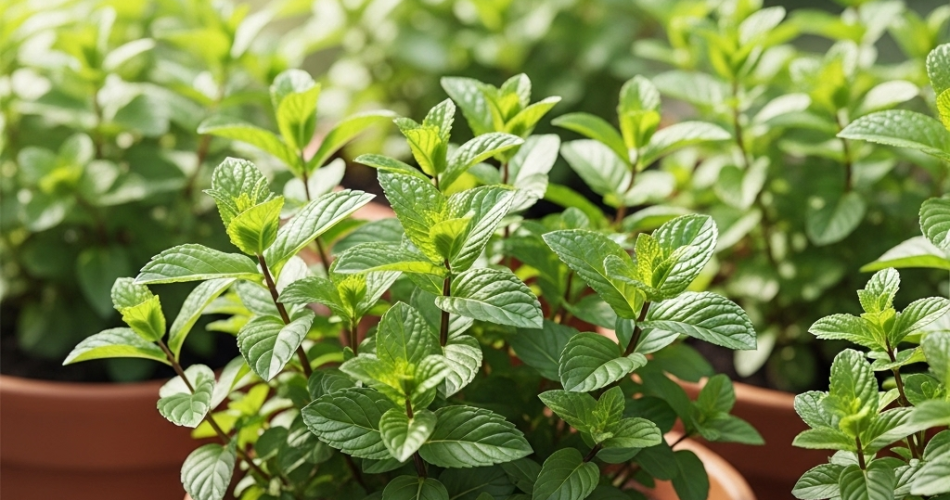
Mint is a wonderfully aromatic herb that’s incredibly easy to grow and useful in everything from teas and cocktails to sauces and desserts. However, mint has a tendency to spread aggressively when planted in garden beds, which makes growing it in pots the best way to control its growth. When grown in containers, mint stays contained, easy to manage, and conveniently within reach in your kitchen or on your balcony.
To enjoy a lush, healthy mint plant without dealing with overcrowding or root problems, follow these tips for pot cultivation and continuous harvests.
Why Grow Mint in Pots?
Mint’s fast-growing nature makes it a strong candidate for container gardening. Unlike many herbs that prefer to share space, mint performs better when given its own pot. This keeps its vigorous roots from competing with other herbs or taking over an entire planter.
When grown in a dedicated container, mint is easier to prune, harvest, and move around based on lighting and seasonal conditions. Plus, the portability of pots allows you to keep fresh mint near your kitchen or on a sunny patio.
Choosing the Right Mint Variety
There are dozens of mint varieties, each with its own unique flavor and fragrance. Some of the most popular and suitable for container growing include:
-
Spearmint – Great for salads, mojitos, and everyday cooking.
-
Peppermint – Stronger in flavor, ideal for teas and desserts.
-
Chocolate Mint – A delightful variety with a subtle cocoa scent.
-
Apple Mint – Mild, fruity flavor and attractive fuzzy leaves.
Choose one or more varieties based on your preferences, but keep them in separate containers to avoid mingling flavors and overcrowding.
Selecting the Perfect Pot
Mint grows well in a wide range of containers as long as they provide enough space and drainage. Since mint can grow a dense network of roots, it’s important to give it room to spread without becoming root-bound.
Look for pots that are:
-
At least 10 to 12 inches wide
-
8 to 10 inches deep
-
Equipped with multiple drainage holes
Terracotta pots are ideal because they help regulate soil moisture, but plastic or ceramic containers will also work as long as excess water can drain freely.
Avoid planting multiple mint plants in the same pot—each variety should have its own container to prevent root entanglement and flavor confusion.
Best Soil for Mint
Mint thrives in rich, well-draining soil that retains some moisture but doesn’t become soggy. Use a high-quality potting mix formulated for herbs or vegetables. You can add a bit of perlite or sand to improve drainage and prevent compaction over time.
Aim for a slightly acidic to neutral soil pH of 6.0 to 7.0. Adding a small amount of compost or organic matter will give your plant a healthy nutrient boost.
Light and Temperature Needs
Mint grows best in partial to full sunlight. Place your pot in a spot that receives 4 to 6 hours of light daily—a bright windowsill, balcony, or patio is ideal. While mint can tolerate some shade, too little light will lead to leggy, weak growth.
Mint prefers moderate temperatures between 60°F and 75°F (15°C to 24°C). It’s a hardy plant but can struggle in overly hot or cold indoor environments. Keep it away from radiators, heaters, or cold drafts.
Watering Your Mint Plant
Mint loves moisture but not waterlogged soil. Water your plant when the top inch of soil feels dry to the touch. Water thoroughly until excess runs out of the bottom of the pot, then empty the saucer to prevent root rot.
During hot weather or if your pot dries out quickly, you may need to water more frequently. Avoid letting the soil dry out completely, especially for younger plants.
Feeding and Fertilizing
Mint is not a heavy feeder but will benefit from occasional nutrients to keep producing lush foliage. Feed your mint plant once a month with a diluted liquid fertilizer or organic compost tea. Overfeeding can result in overly rapid growth with weaker flavor, so keep it light.
Pruning and Harvesting Without Overcrowding
Regular pruning is the key to avoiding overcrowding and promoting bushier growth. Begin harvesting once the plant is 4 to 6 inches tall. Use scissors to cut just above a leaf node—this encourages new shoots to form and keeps the plant compact.
To prevent overcrowding:
-
Trim back long stems weekly.
-
Remove any yellowing or damaged leaves.
-
Thin out dense clumps by cutting older stems at the base.
Never harvest more than one-third of the plant at once to avoid stressing it. Consistent, light harvesting helps maintain a healthy shape and promotes continuous production.
Repotting and Dividing
Even when grown in pots, mint will eventually outgrow its space. Every 6 to 12 months, inspect the root system. If it’s tightly bound or pushing up from the soil, it’s time to divide and repot.
To divide:
-
Remove the plant from the pot.
-
Gently separate the root ball into smaller sections using your hands or a clean knife.
-
Replant each section in fresh soil in its own container.
This keeps your mint productive and prevents it from choking itself with its own roots.
Final Thoughts
Mint is a flavorful, fast-growing herb that’s perfectly suited to container gardening—so long as it’s given room to grow without overcrowding. With the right pot, soil, and care, you can enjoy a steady supply of fresh mint for tea, recipes, or garnishes right from your kitchen or patio. Keep it trimmed, watered, and well-lit, and your mint plant will reward you with vibrant leaves and an invigorating aroma throughout the year.


