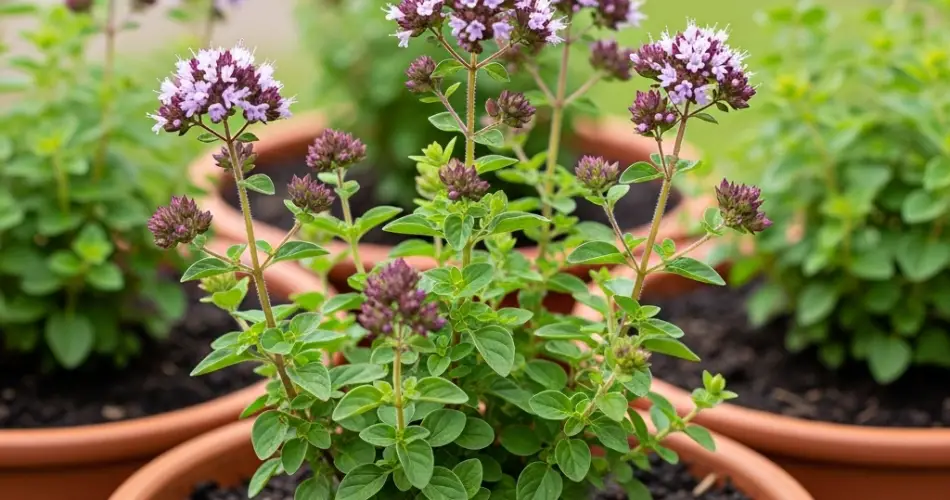
Oregano (Origanum vulgare) is a flavorful, aromatic herb that brings a bold Mediterranean touch to dishes like pizza, pasta, grilled vegetables, and marinades. Native to the sunny hillsides of southern Europe, oregano thrives in warm, dry conditions—and it’s surprisingly easy to grow in pots, even if you’re short on space.
Whether you’re cultivating a few herbs on a balcony, windowsill, or sunny corner of your kitchen, oregano is one of the best herbs to include. It requires little maintenance, tolerates drought, and adds both culinary and ornamental value to your home garden. Here’s how to grow oregano in containers and enjoy its robust flavor year-round.
Why Grow Oregano in Pots?
Oregano’s compact growth habit and hardy nature make it ideal for container growing. Here are a few key benefits:
-
Space-saving: Perfect for small apartments, balconies, or patios.
-
Control: Potted plants let you manage soil quality, water, and sun exposure more easily.
-
Mobility: You can move your oregano plant to catch more sunlight or bring it indoors during cold months.
-
Convenience: Having fresh oregano just steps away makes home cooking even more flavorful.
Growing oregano in pots also helps prevent it from spreading uncontrollably, which can happen when it’s planted in the ground.
Best Oregano Varieties for Containers
There are several types of oregano to choose from, depending on your culinary needs and growing conditions. Some of the most popular varieties for pots include:
-
Greek Oregano (Origanum vulgare subsp. hirtum): Strong, classic flavor used in Mediterranean cooking.
-
Italian Oregano: A milder hybrid between oregano and marjoram; great for pasta and sauces.
-
Hot and Spicy Oregano: Offers a punchier flavor with a hint of chili heat.
-
Golden Oregano: A decorative variety with golden-green foliage—ideal for ornamental pots.
All these types do well in containers and will reward you with fragrant leaves and a bushy, compact shape when regularly pruned.
Choosing the Right Pot
Oregano doesn’t need a large container, but it does need good drainage. Choose a pot that’s:
-
6–10 inches in diameter
-
At least 6–8 inches deep
-
Equipped with drainage holes to prevent root rot
Terracotta pots are excellent for oregano because they allow soil to dry out faster, which suits the herb’s drought-tolerant nature. Use a saucer to catch runoff if growing indoors.
Soil Requirements
Oregano thrives in well-draining, slightly sandy soil. Rich, moisture-retentive soils can cause the plant to become leggy or develop root problems.
For best results, use a mix such as:
-
2 parts standard potting soil
-
1 part perlite or coarse sand
-
Optional: 1 part compost for extra nutrients (especially if you’re harvesting frequently)
Aim for a soil pH of 6.0 to 8.0—slightly acidic to alkaline.
Light and Temperature Needs
As a Mediterranean herb, oregano loves the sun. Place your pot in a spot that gets at least 6–8 hours of direct sunlight per day. A south-facing windowsill, balcony, or outdoor ledge is ideal.
Oregano prefers warm conditions, ideally between 65–80°F (18–27°C). If temperatures drop below 50°F (10°C), bring the pot indoors or provide protection. Indoors, supplement with a full-spectrum grow light if sunlight is limited.
Watering and Feeding
Oregano is drought-tolerant and prefers to be slightly dry. Allow the top inch of soil to dry out between waterings. Water thoroughly when needed, but avoid letting the plant sit in water.
Overwatering is one of the most common problems—make sure your pot drains well and never stays soggy.
Fertilizing isn’t essential for oregano, especially if you’re not harvesting frequently. If desired, apply a diluted liquid fertilizer every 4–6 weeks during the growing season. Avoid overfeeding, which can reduce the intensity of the herb’s flavor.
Pruning and Harvesting
Regular pruning is the secret to a full, healthy oregano plant. Once the plant is about 4–6 inches tall, begin snipping stems above a leaf node to encourage bushy growth.
To harvest, cut stems in the morning when oils are most concentrated. Use fresh leaves immediately or dry them for later use.
If the plant starts to flower, pinch off the buds to maintain leaf production. Flowering signals the plant to shift energy away from foliage.
Common Problems and Tips
-
Leggy growth: Caused by low light or over-fertilizing. Move to a sunnier spot or trim back to encourage bushiness.
-
Yellow leaves: Usually due to overwatering or poor drainage.
-
Weak flavor: Often linked to overfeeding or too much shade. Let the soil dry slightly and ensure plenty of sun.
Pests are rarely a problem for oregano, but aphids or spider mites can occasionally appear. Rinse them off or treat with insecticidal soap if needed.
Using Fresh Oregano
Oregano pairs well with many savory dishes. Add freshly chopped leaves to:
-
Tomato-based sauces
-
Roasted vegetables
-
Grilled meats
-
Marinades and vinaigrettes
-
Homemade pizzas and flatbreads
To store excess harvest, hang small bunches upside down to air-dry, or freeze chopped oregano in olive oil using ice cube trays.
Final Thoughts
Oregano is an easy, flavorful herb that belongs in every home kitchen. With minimal care and a bit of sun, you can enjoy its bold taste straight from a pot on your patio, windowsill, or kitchen counter. Growing oregano in containers is a practical and space-efficient way to bring Mediterranean flavor into even the smallest of homes.


