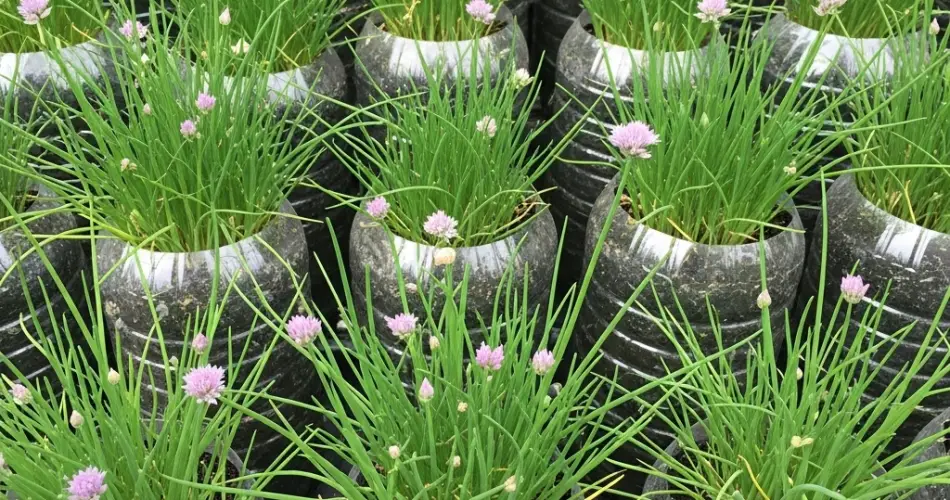
Chives are among the easiest and most rewarding herbs to grow at home. Their mild onion flavor and attractive green stalks make them a versatile addition to salads, soups, and many savory dishes. Best of all, chives grow exceptionally well in small containers, making them ideal for compact living spaces like apartments, balconies, windowsills, or patios.
With a few basic materials and sustainable practices, you can cultivate fresh chives year-round—even without access to a garden. Whether you’re a beginner or an experienced urban gardener, this low-maintenance herb is perfect for eco-friendly, small-space cultivation.
Why Chives Are Perfect for Small-Space Gardening
Chives are perennial herbs that don’t require much room, making them ideal for container gardening. Their compact root system means they thrive in pots as small as 6 inches wide. They’re also relatively pest-resistant and regrow quickly after harvesting.
In terms of sustainability, growing your own chives reduces the need for plastic packaging and long-distance food transport. You can repurpose everyday containers—such as tin cans, food tubs, or plastic bottles—into planters, minimizing waste while enjoying fresh produce.
What You’ll Need to Get Started
To grow chives sustainably in a small space, gather the following:
-
A small container (6 inches or more in diameter; can be recycled plastic, terracotta, or metal)
-
Potting mix or compost-rich garden soil
-
Chive seeds or a clump of chive bulbs (transplants)
-
Watering can or spray bottle
-
A sunny windowsill, balcony, or spot with 4–6 hours of sunlight per day
-
Optional: small stones or broken pottery for drainage
Preparing the Planter
-
Choose a Container
Select a container with good drainage. If you’re reusing a plastic bottle, can, or tub, make sure to add several holes in the bottom using a nail or drill. -
Create a Drainage Layer (Optional)
Add a thin layer of small pebbles or broken ceramic pieces to the bottom. This helps excess water drain away from the roots. -
Add Soil
Fill the container with potting mix. Chives grow best in soil that is fertile and well-draining. If using garden soil, mix in some compost to enrich it.
Planting Chives
From Seeds:
-
Sprinkle seeds thinly across the soil surface.
-
Cover with a thin layer of soil (about ¼ inch deep).
-
Mist the top lightly with water to moisten.
-
Place the container in a warm, sunny area.
-
Seeds typically germinate in 7–14 days.
From Transplants or Divisions:
-
If you have mature chives or access to a friend’s garden, divide an existing plant.
-
Gently separate a clump, ensuring each section has roots attached.
-
Plant each clump in the prepared soil and water thoroughly.
Caring for Chives in Containers
-
Sunlight:
Chives prefer full sun but can tolerate partial shade. A windowsill, balcony, or patio with at least 4–6 hours of direct sunlight will keep your plant healthy. -
Watering:
Keep the soil evenly moist but not soggy. Water when the top inch of soil feels dry. Avoid letting the plant sit in standing water. -
Feeding:
Chives are light feeders. Add compost or a diluted organic liquid fertilizer once a month to support continuous growth. -
Air Circulation:
Make sure there’s enough space between containers or other plants to allow airflow and reduce the risk of fungal diseases.
Pruning and Harvesting
Begin harvesting once the chives reach about 6 inches tall. Use scissors to cut the leaves about 1 inch above the soil. Regular trimming encourages new growth and keeps the plant from becoming woody.
Avoid cutting all the leaves at once—harvest no more than one-third of the plant at a time to keep it healthy.
Dealing with Flowers
Chives produce beautiful, edible purple flowers. While lovely, flowering can slow down leaf production. If your goal is continuous harvest, pinch off flower buds as they appear. If you allow flowering, you can collect the seeds and replant them later.
Propagating Chives
Every couple of years, you can divide your chive plant to keep it vigorous and productive. Gently lift the plant, separate it into smaller clumps, and replant each in its own container. This is a great way to expand your herb garden or share with friends.
Sustainable Practices
-
Reuse containers: Clean and repurpose old plastic, metal, or ceramic containers.
-
Compost: Use homemade compost to feed your chives naturally.
-
Harvest mindfully: Take only what you need to reduce waste.
-
Save seeds: Allow one plant to flower and go to seed, then dry and store seeds for future planting.
Final Thoughts
Chives are a wonderful herb to grow in small spaces. They’re easy to maintain, regrow after harvest, and offer both culinary and visual benefits. By using repurposed containers and eco-friendly practices, you can enjoy a constant supply of fresh chives while contributing to a greener planet.
Whether placed on a kitchen windowsill, hung on a balcony, or arranged on a small patio table, a pot of chives brings life, flavor, and sustainability into your home—one snip at a time.


