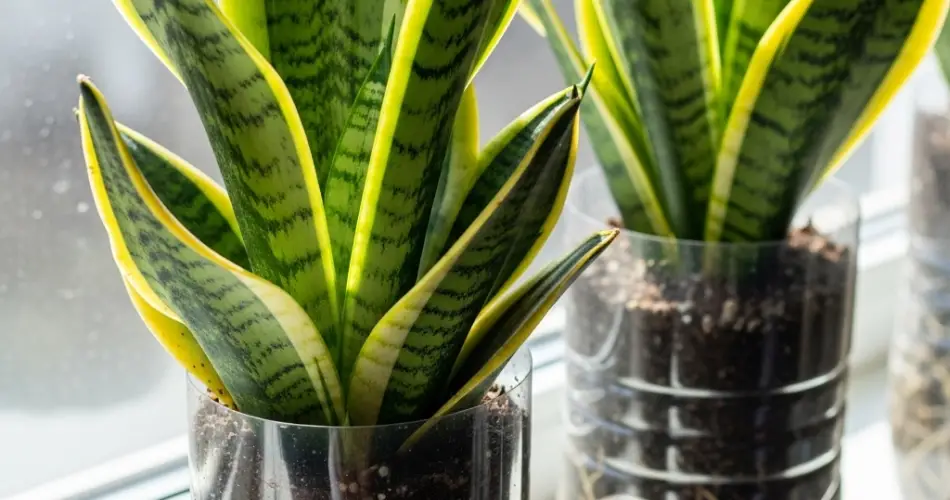
Transforming everyday plastic waste into elegant indoor greenery is both environmentally responsible and visually rewarding. One of the easiest and most attractive ways to do this is by growing snake plants in recycled plastic bottles. Also known as Sansevieria or mother-in-law’s tongue, the snake plant is an ideal choice for indoor gardening thanks to its architectural form, air-purifying properties, and low maintenance needs.
This article will guide you through the process of turning plastic bottles into stylish and sustainable homes for your snake plants. Whether you’re looking to add greenery to a small apartment or want to start a creative upcycling project, this is a great place to begin.
Why Snake Plants Are Perfect for Bottle Gardening
Snake plants are hardy, drought-tolerant succulents that can thrive in a variety of lighting conditions, from bright indirect light to partial shade. They require minimal watering and have a strong tolerance for neglect, making them perfect for beginner gardeners or those with busy lifestyles. Additionally, their upright growth habit fits well in narrow containers like recycled bottles.
Materials You’ll Need
-
A clean plastic bottle (1.5-liter or 2-liter works best)
-
Sharp scissors or a utility knife
-
Decorative stones or small pebbles (optional)
-
Activated charcoal (optional, for odor control)
-
Cactus or succulent potting mix
-
A small snake plant or leaf cuttings
-
Optional paint, twine, or fabric for decorative purposes
Step-by-Step Guide to Building Your Bottle Garden
1. Choose and Prepare the Bottle
Start by rinsing the bottle thoroughly to remove any residue. Then, using a sharp knife or scissors, cut the bottle at your desired height. A good rule is to cut it at about one-third from the top to create a deep enough base for the plant’s roots. You can discard the top half or save it to use as a cover for a greenhouse effect if desired.
If you’re planning to hang your bottle garden, punch two holes on opposite sides near the rim and insert string or twine.
2. Create a Drainage Layer
Snake plants don’t like sitting in soggy soil. To help avoid waterlogging, add a base layer of small stones or pebbles. You can also sprinkle a thin layer of activated charcoal to prevent bacterial buildup and odors—especially important in enclosed spaces.
3. Add Potting Mix
Use a well-draining potting mix designed for succulents or cacti. Snake plants are prone to root rot if the soil stays too moist, so avoid using regular garden soil or mixes that retain too much water. Fill the bottle about two-thirds full, leaving space for the plant.
4. Plant Your Snake Plant
If you’re using a mature snake plant, gently remove it from its original pot, shake off excess soil, and check the roots for any signs of rot. Trim off any damaged roots and plant it in the bottle container. If you’re using cuttings, make sure each leaf cutting is at least 2–3 inches long and let it callous over for a day before inserting it into the soil.
Insert the plant or cuttings vertically into the soil and press gently to secure them.
5. Water Lightly
Water sparingly. One of the biggest mistakes with snake plants is overwatering. After planting, moisten the soil slightly but avoid saturating it. Going forward, water only when the soil is completely dry—usually once every 2–3 weeks depending on humidity and temperature.
The transparent bottle helps you monitor soil moisture levels, so if you see condensation forming or soggy soil, hold off on watering.
Care and Maintenance Tips
-
Light: Place your snake plant bottle garden near a window with bright, indirect light. It can also tolerate lower light levels, though growth may be slower.
-
Humidity: Snake plants are not sensitive to humidity, making them suitable for various indoor environments.
-
Cleaning: Wipe down the leaves occasionally with a damp cloth to remove dust and keep them looking glossy.
-
Fertilizer: Feed with a diluted succulent fertilizer once a month during the growing season (spring to early autumn). Avoid feeding during winter.
Styling Ideas
Bottle gardens don’t have to be plain. Personalize your snake plant container to match your home’s decor:
-
Paint the exterior in solid colors or patterns.
-
Wrap the bottle with jute, twine, or fabric for a rustic look.
-
Add a layer of decorative gravel or colored sand on top of the soil for a finished appearance.
You can also group several bottles together for a chic windowsill display or hang them in a vertical arrangement using string or macramé hangers.
Final Thoughts
Upcycling plastic bottles into planters for snake plants is an excellent way to blend sustainability with style. These bottle gardens are easy to care for, cost-effective, and add a modern green touch to indoor spaces. With minimal effort and materials, you can create a lasting indoor plant display that’s both eco-friendly and visually appealing.
Whether you’re decorating your workspace or refreshing your living room, a snake plant in a bottle is a creative and practical solution that showcases how beautiful sustainable living can be.


