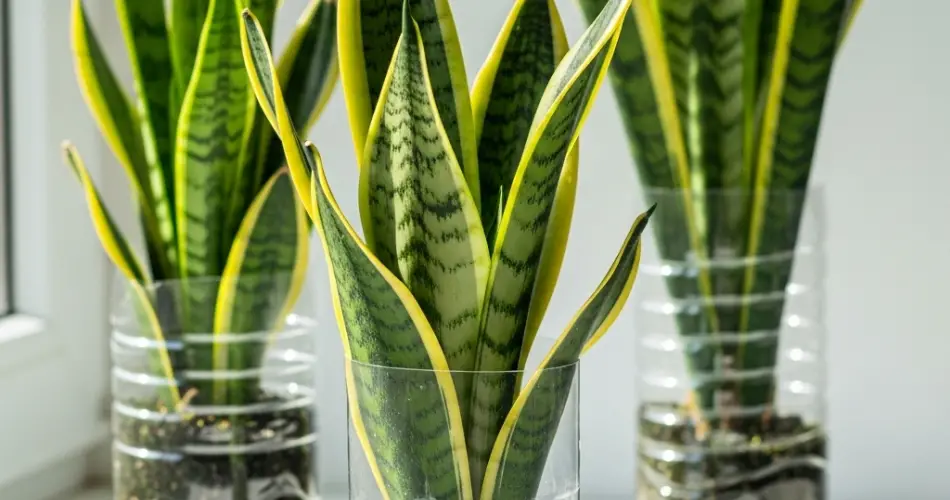
If you’re short on space but still want to enjoy the beauty and air-purifying benefits of indoor plants, growing a snake plant (Sansevieria) in plastic bottles is a clever and eco-friendly solution. Snake plants are known for their upright, sword-like leaves and minimal care needs, making them perfect for small apartments, windowsills, or desks. Upcycling plastic bottles into plant containers not only saves space but also promotes sustainability.
Here’s a complete guide to growing snake plants in plastic bottles for a tall, green accent in even the tightest of spaces.
Why Choose Snake Plants?
Snake plants are among the easiest houseplants to care for. They’re highly adaptable, can tolerate low light, and don’t require frequent watering. These qualities make them ideal for beginners or anyone looking to add greenery without the hassle. Beyond aesthetics, snake plants are also natural air purifiers, helping to remove toxins from indoor air.
When grown in tall containers like recycled bottles, their vertical growth habit makes them visually striking while using very little surface area.
Choosing and Preparing Plastic Bottles
Start by selecting a sturdy plastic bottle. One-liter or two-liter bottles are ideal, especially those with a straight cylindrical shape. Transparent bottles can work, but covering the sides with paint, cloth, or paper is recommended to prevent light from reaching the roots, which prefer darkness.
Steps to prepare your plastic bottle planter:
-
Cut the bottle: Using scissors or a utility knife, cut the top third of the bottle off. You’ll be using the bottom two-thirds as your planter.
-
Create drainage holes: Poke 3–4 small holes in the bottom of the bottle for excess water to escape.
-
Optional support: If desired, keep the top half inverted as a water reservoir for passive watering, or simply discard it.
-
Decorate (optional): Wrap the bottle with jute rope, burlap, or cloth to enhance its appearance and block light.
Preparing the Right Soil Mix
Snake plants prefer a loose, well-draining soil mix. A cactus or succulent potting mix is ideal, or you can make your own by combining:
-
2 parts potting soil
-
1 part coarse sand or perlite
-
1 part coco coir or peat moss
This blend ensures good aeration and prevents root rot, which snake plants are particularly sensitive to.
Planting Your Snake Plant
You can propagate a new snake plant from leaf cuttings or use an existing pup (baby plant) from a mature snake plant.
To plant:
-
Fill the prepared bottle with your potting mix, leaving about an inch of space at the top.
-
Place your snake plant cutting or pup in the center. If using a leaf cutting, insert it about 1–2 inches deep into the soil.
-
Press the soil gently around the base to stabilize the plant.
-
Water lightly until the soil is just moist.
Position the planter in a location that receives indirect sunlight. A north-facing or east-facing window is ideal.
Watering and Maintenance
Snake plants thrive on neglect. Overwatering is the most common mistake, especially in plastic containers, which retain moisture longer than clay pots.
Watering tips:
-
Allow the soil to dry out completely between waterings.
-
Water every 2–3 weeks in warmer months, and less frequently in winter.
-
Always ensure water drains out fully to avoid soggy roots.
Wipe the leaves occasionally to remove dust and keep them looking fresh. If the plant becomes too tall or rootbound, it can be easily transferred to a larger bottle or another container.
Light and Temperature Requirements
Snake plants are incredibly versatile when it comes to lighting. They can survive in low light but will grow more vigorously in bright, indirect sunlight.
-
Avoid direct sun, which can scorch the leaves.
-
Ideal temperatures range between 60°F and 80°F (15°C to 27°C).
-
Protect the plant from cold drafts and temperatures below 50°F (10°C).
Fertilizing Your Snake Plant
While not heavy feeders, snake plants benefit from occasional fertilization during the growing season.
-
Use a balanced liquid houseplant fertilizer once a month during spring and summer.
-
Avoid fertilizing in the fall and winter, when growth slows.
-
Always dilute fertilizer to half strength to prevent salt buildup in the soil.
Repotting and Propagation
Snake plants grow slowly in smaller containers like plastic bottles, but over time, they may become rootbound or produce new pups. When roots start pushing out from the drainage holes or the soil seems crowded, it’s time to repot.
You can either move the plant to a slightly larger container or divide the pups and grow them in separate bottles.
To propagate using leaf cuttings:
-
Cut a healthy leaf into sections, each about 3–4 inches long.
-
Allow the cuttings to dry for a day or two to callous over.
-
Plant each piece upright in moist soil and wait for new roots to develop.
Final Thoughts
Growing snake plants in plastic bottles is a smart way to enjoy greenery in compact living spaces while promoting sustainability through upcycling. These hardy, tall-growing plants add vertical interest to any room and require minimal effort to thrive. With a bit of creativity and care, even the most modest corner can become a mini indoor garden with the charm of a snake plant reaching for the sky.


