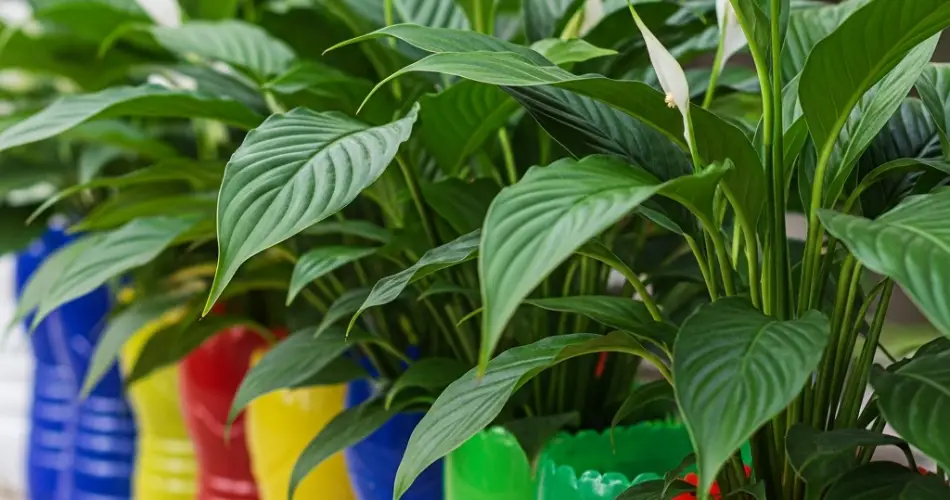
The peace lily (Spathiphyllum) is a classic choice for indoor gardening, known for its graceful white blooms and lush green leaves. It’s not just beautiful—it also purifies indoor air and thrives in low-light spaces, making it a perfect houseplant for both beginners and seasoned plant lovers. Growing a peace lily in a container is simple with the right setup and care. Here’s how to cultivate a healthy, thriving peace lily indoors.
Choosing the Right Container
Selecting the right pot is crucial for your peace lily’s health. Choose a container with good drainage to avoid waterlogging, as peace lilies are sensitive to overly wet soil. A pot that is 1 to 2 inches larger in diameter than the root ball is ideal. Avoid overly large containers, which may hold too much moisture and increase the risk of root rot.
If you want a more decorative touch, place the basic plastic grow pot inside a stylish outer planter without drainage holes. Just be sure to remove the inner pot when watering to let excess moisture drain freely.
Best Soil for Peace Lily
Peace lilies need a rich, well-draining potting mix. Use a high-quality indoor plant mix or make your own by combining equal parts potting soil, peat moss or coco coir, and perlite. This mixture retains enough moisture while allowing proper airflow around the roots. Avoid heavy garden soil or mixes without perlite, as these can become compacted and soggy.
Adding a small amount of activated charcoal can also help improve soil quality and reduce odors, especially in enclosed indoor spaces.
Ideal Light Conditions
One of the reasons peace lilies are so popular indoors is their ability to tolerate low light. However, for optimal growth and flowering, bright, indirect light is best. Place your container near a window that receives filtered sunlight. An east- or north-facing window is ideal. Avoid direct afternoon sun, which can scorch the leaves.
If your home is very dim, consider supplementing with a grow light to encourage blooms.
Proper Watering
Peace lilies prefer consistently moist soil but dislike soggy conditions. Water thoroughly when the top inch of soil feels dry to the touch. Let the water drain completely and never allow the plant to sit in standing water.
A helpful feature of peace lilies is that they will visibly droop when they’re thirsty, signaling it’s time for a drink. However, don’t wait for this to happen frequently, as repeated wilting can stress the plant.
Use room-temperature, distilled, or filtered water when possible, especially if your tap water is high in chlorine or fluoride, which peace lilies are sensitive to.
Humidity and Temperature Needs
Native to tropical forests, peace lilies love humidity. Indoors, they’ll appreciate occasional misting or a nearby humidity tray. Placing the pot on a shallow tray filled with pebbles and water can raise humidity around the plant without wetting the roots.
Keep your peace lily in a warm room, ideally between 65°F and 80°F (18°C to 27°C). Avoid placing it near cold drafts, air conditioning vents, or heaters.
Fertilizing for Growth
Peace lilies aren’t heavy feeders but do benefit from regular nutrition. Use a balanced, water-soluble fertilizer (such as 10-10-10 or 20-20-20) once a month during spring and summer. Avoid over-fertilizing, as this can lead to salt buildup and browning leaf tips.
During the fall and winter months, when growth slows down, reduce feeding to once every two to three months or stop altogether.
Pruning and Grooming
To keep your peace lily looking neat, remove yellow or dead leaves regularly by snipping them off at the base. After flowers fade, cut the flower stalk at the soil line to encourage new blooms.
Cleaning the leaves with a soft, damp cloth every few weeks will also help the plant breathe better and keep pests away.
Repotting Your Peace Lily
Peace lilies generally need repotting every 1–2 years. When the roots begin circling the pot or the plant seems crowded, it’s time to upgrade to a slightly larger container.
Spring is the best time to repot. Gently loosen the root ball, remove old soil, and refresh with a fresh mix. After repotting, water thoroughly and place the plant in a shaded area for a few days to help it adjust.
Common Issues to Watch Out For
-
Brown leaf tips often signal low humidity, over-fertilization, or poor water quality.
-
Yellow leaves can indicate overwatering or insufficient light.
-
Lack of blooms usually means the plant needs more light or is being overfed with nitrogen-heavy fertilizer.
Final Thoughts
Peace lilies offer an elegant, low-maintenance way to enhance your indoor environment. With the right pot, soil, light, and care, you’ll enjoy their lush foliage and graceful flowers for years. Whether placed in your living room, office, or bathroom, a container-grown peace lily brings a peaceful, tropical feel to any space.