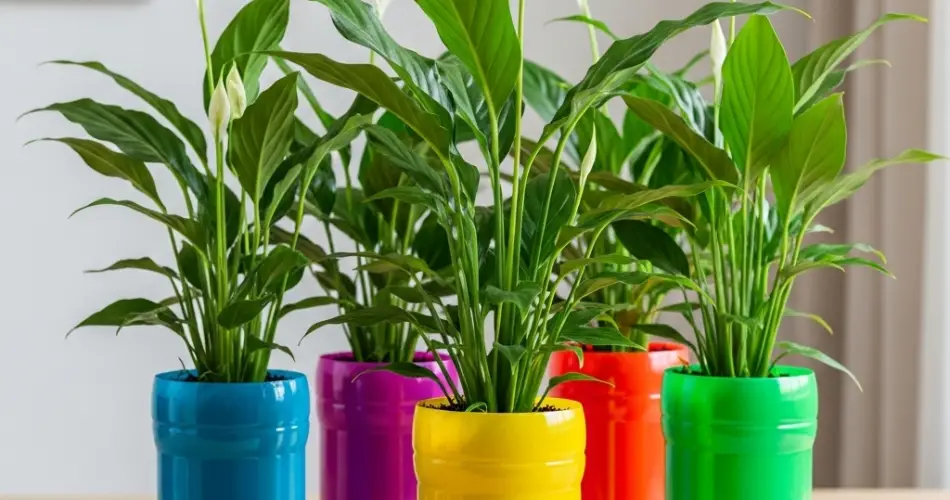
Turning household waste into something beautiful and practical is a rewarding experience, especially when it involves plants. One great example is using plastic bottles to grow a peace lily indoors. Peace lilies are known for their graceful white blooms and ability to purify the air, making them a perfect plant for indoor environments. Even if you don’t have pots or fancy planters, you can still create a beautiful indoor garden using used plastic bottles. Here’s a detailed guide on how to transform bottle waste into a thriving peace lily display.
Why Grow Peace Lily in Bottles?
Peace lilies are resilient and thrive in low to medium light, which makes them suitable for indoor growing. Plastic bottles, which would otherwise end up in landfills, can be reused creatively as containers. This not only reduces waste but also gives you a cost-free and space-saving gardening solution. Plus, transparent bottles allow you to monitor root development and water levels—particularly helpful since peace lilies dislike overwatering.
What You’ll Need
-
A used plastic bottle (1.5-liter or 2-liter soda bottle works well)
-
Scissors or a utility knife
-
A piece of breathable cloth or mesh (optional)
-
Potting mix suitable for indoor plants
-
Activated charcoal (optional, for odor control)
-
A small peace lily plant or a division from an existing one
-
Decorative pebbles or stones (optional for top dressing)
Step-by-Step Instructions
1. Prepare the Bottle
Start by cleaning the bottle thoroughly. Remove the label and rinse out any residue inside. Then, cut the bottle in half or at about one-third of the way down from the top. The bottom portion will serve as your planting container. You can discard the top or repurpose it for another project.
If you want better drainage, poke a few small holes in the base. Alternatively, you can use the upper portion inverted into the lower half, creating a self-watering planter. Place a piece of cloth or mesh at the spout to keep the soil from falling through while allowing water to wick upward.
2. Layer the Base
Place a layer of pebbles or small stones at the bottom of the bottle. This helps improve drainage and keeps the roots from sitting in water. If available, add a thin layer of activated charcoal to absorb any potential odors or toxins.
3. Add Potting Mix
Use a light, well-draining potting mix. Peace lilies do not tolerate soggy roots, so choose a soil blend rich in peat, perlite, and organic matter. Fill the container about three-quarters full.
4. Plant Your Peace Lily
Gently remove your peace lily from its existing pot. Shake off excess soil and inspect the roots. If the roots are tightly bound, gently loosen them with your fingers. Place the plant in the center of your prepared bottle container and fill in around it with more soil, pressing down lightly to secure it. Water thoroughly after planting, ensuring that water drains well if you’ve created holes at the bottom.
5. Maintain the Right Conditions
Place your bottle-planted peace lily in a spot with bright, indirect light. Avoid direct sunlight, which can scorch the leaves. Keep the plant away from cold drafts or heat sources like radiators. Peace lilies prefer consistent humidity, so mist the plant occasionally or place a small container of water nearby.
Water only when the top inch of soil feels dry. Transparent bottles help you monitor moisture levels—if condensation builds up inside the bottle or the bottom appears waterlogged, hold off on watering. Overwatering is one of the most common mistakes with peace lilies.
6. Keep It Clean and Tidy
To maintain the plant’s beauty, wipe the leaves regularly with a damp cloth to remove dust. Trim any yellow or brown leaves with sterilized scissors to encourage new growth. Every few weeks, turn the bottle slightly so that all sides of the plant receive equal light.
7. Fertilize Occasionally
Peace lilies are not heavy feeders. You can use a diluted balanced houseplant fertilizer once a month during the growing season (spring and summer). Avoid over-fertilizing, as this can cause brown leaf tips.
8. Consider Replanting When Needed
As your peace lily grows, it may eventually outgrow its bottle home. If roots begin circling the bottom or pushing up from the top, consider moving the plant to a larger bottle or a standard pot. Alternatively, you can divide the plant and propagate it into additional bottle planters.
Final Thoughts
Growing a peace lily in a recycled plastic bottle is a creative and eco-friendly way to add beauty to your indoor space. Not only does it reduce waste, but it also offers a low-cost, minimalist aesthetic that fits perfectly on desks, windowsills, and countertops. With just a bit of care, your peace lily will reward you with lush green foliage and elegant white blooms year-round.


