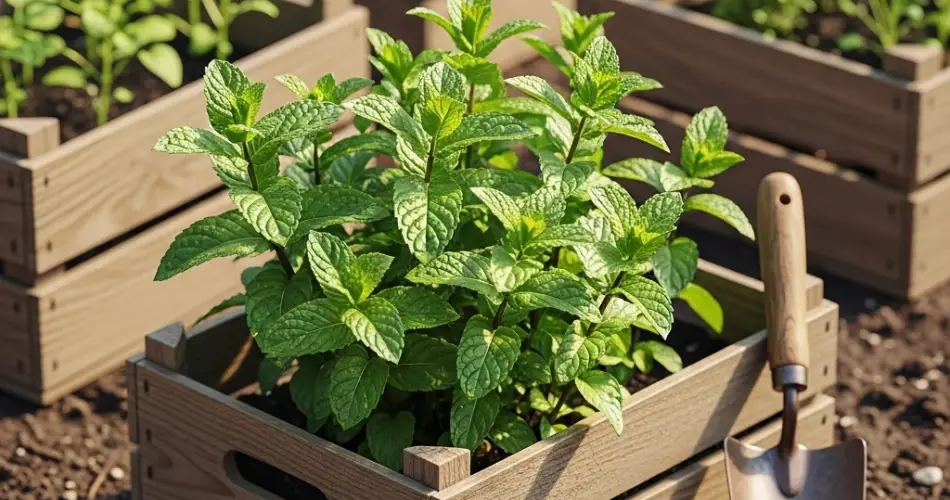
Mint is a favorite herb for gardeners and home cooks alike. Its refreshing flavor makes it perfect for teas, cocktails, desserts, and savory dishes. However, while mint is easy to grow, it has one major drawback: it spreads aggressively. Left unchecked in the ground, mint can quickly overtake an entire garden bed, crowding out other herbs and plants.
Fortunately, there’s a simple solution—using a crate garden system. Growing mint in crates allows you to enjoy all the benefits of this fragrant herb while keeping its roots under control. This method not only prevents unwanted spreading but also provides flexibility, portability, and a rustic charm to your garden setup.
This guide will walk you through why mint tends to overgrow, the advantages of crate gardening, and step-by-step instructions on planting, caring for, and harvesting mint in a controlled way.
Why Mint Overgrows
Mint is a perennial herb with vigorous underground runners, also called rhizomes. These rhizomes spread quickly, producing new shoots that soon dominate the surrounding soil. Even a small patch of mint can become invasive if left uncontained. In traditional garden beds, mint’s spreading nature makes it difficult to grow alongside other herbs or vegetables without regular cutting back or barriers.
By placing mint in a confined space—like a crate—you restrict its root system while still giving it enough room to thrive. This ensures healthy plants without the risk of them taking over your garden.
Why Use Crates for Mint?
Crates offer several unique benefits for growing mint:
-
Root Control: Prevents the underground runners from spreading outside their boundaries.
-
Portability: Crates can be moved to optimize sunlight or relocated to different spots in your garden.
-
Compact Design: Perfect for small gardens, patios, or balconies where space is limited.
-
Aesthetic Appeal: Wooden crates add a rustic and natural look to outdoor spaces.
-
Customizable Setup: You can stack or arrange multiple crates for a decorative herb display.
Using crates essentially gives you the best of both worlds—abundant mint growth without the problem of overgrowth.
Preparing Your Crate for Mint
Start with a sturdy wooden crate that is at least 10–12 inches deep. Mint doesn’t need a lot of root depth, but a crate of this size will provide enough space for healthy growth.
Steps to prepare your crate:
-
Lining: Line the inside with landscape fabric, burlap, or a breathable plastic liner with drainage holes. This prevents soil from escaping while allowing water to drain.
-
Drainage: Elevate the crate slightly using bricks or wooden blocks to avoid waterlogging and to extend the crate’s lifespan.
-
Soil Preparation: Use a high-quality potting mix enriched with compost. Mint thrives in nutrient-rich, well-draining soil.
Planting Mint in a Crate
You can start mint either from seeds, cuttings, or seedlings:
-
Seeds: Sow shallowly, covering lightly with soil. Keep the soil moist until germination, which usually takes 10–15 days.
-
Cuttings: Mint propagates easily from stem cuttings. Place a cutting in water until roots develop, then transplant it into the crate.
-
Seedlings: For faster results, purchase mint seedlings and plant them directly.
Space plants about 6–8 inches apart. While crates limit root spread, mint will still grow vigorously within the container, so avoid overcrowding.
Sunlight and Watering Needs
Mint grows best in partial to full sunlight, though it can tolerate some shade. Position your crate where the plant will receive at least 4–6 hours of sun each day.
Watering tips:
-
Consistency: Keep soil evenly moist but not waterlogged. Mint prefers slightly damp conditions.
-
Mulching: A light mulch layer helps retain soil moisture, especially in warmer climates.
-
Drainage: Ensure water doesn’t pool at the bottom of the crate, as soggy soil can cause root rot.
Caring for Mint in Crates
Mint is low-maintenance, but regular care ensures healthy plants and better harvests:
-
Pruning: Regularly pinch or cut stems to encourage bushy growth. Left unpruned, mint can become leggy.
-
Fertilizing: Apply a balanced liquid fertilizer every 4–6 weeks during the growing season. Avoid over-fertilizing, as it can reduce flavor intensity.
-
Pest Control: Mint is relatively pest-resistant, but watch for aphids or spider mites. Neem oil or soapy water sprays can manage infestations.
-
Winter Care: In colder climates, move crates indoors or insulate them to protect roots from frost.
Harvesting Mint
Mint is ready for harvest once stems reach 6–8 inches in height. To harvest:
-
Cut stems just above a pair of leaves.
-
Never harvest more than one-third of the plant at a time to allow regrowth.
-
Frequent harvesting encourages new shoots and prevents flowering, which can diminish leaf flavor.
Mint can be used fresh, dried, or frozen. Drying or freezing allows you to enjoy its flavor year-round.
Using Fresh Mint in the Kitchen
Homegrown mint is a versatile ingredient for countless recipes:
-
Freshly brewed mint tea.
-
Garnish for cocktails like mojitos or lemonade.
-
Flavoring for lamb, chicken, or rice dishes.
-
Mixed into yogurt sauces, salads, or chutneys.
-
Infused in desserts such as ice cream, cakes, or fruit salads.
With a crate system, you’ll have a steady supply of mint ready to clip whenever you need it.
Conclusion
Mint may be one of the easiest herbs to grow, but its aggressive spreading nature makes it a challenge in open gardens. By using a crate garden system, you can enjoy the lush growth and refreshing taste of mint without worrying about overgrowth. Crates not only contain the roots but also make your garden setup more flexible and stylish. With the right care, your mint plants will thrive, giving you a continuous harvest for teas, meals, and refreshing drinks—all while keeping your garden neat and under control.


