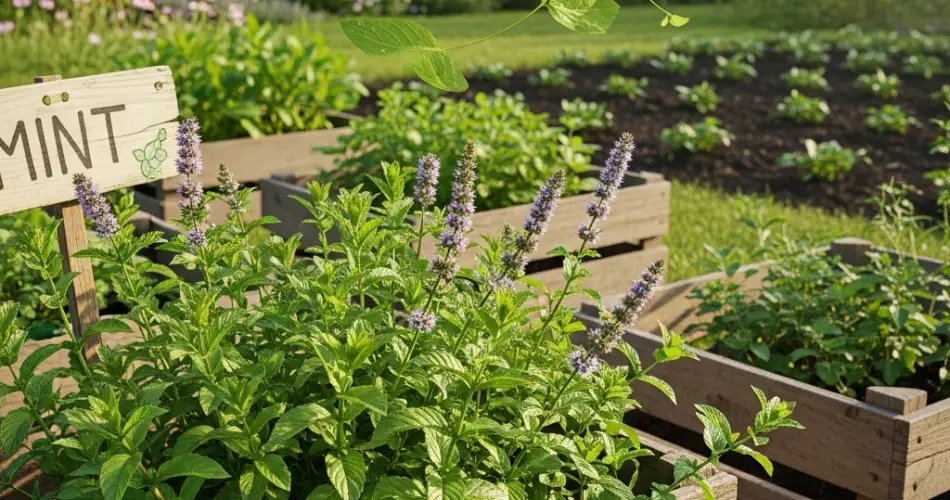
Mint is one of the most versatile and refreshing herbs you can grow at home. Known for its cooling flavor and uplifting aroma, it is widely used in teas, cocktails, desserts, and savory dishes. Beyond the kitchen, mint also serves as a natural air freshener and insect repellent. With its vigorous growth habit, mint adapts well to container gardening, making reclaimed wooden crates an excellent choice for growing it in backyards, patios, or balconies.
Planting mint in recycled crates is not only practical but also eco-friendly. It gives new life to materials that would otherwise go to waste while providing you with a continuous supply of fresh leaves. This guide will walk you through everything you need to know to successfully cultivate mint in reclaimed crates and enjoy its many benefits right at home.
Why Mint and Crates Are a Perfect Match
Mint has a reputation for spreading quickly when planted directly in garden beds, often taking over surrounding plants. By growing it in crates, you contain its roots while still giving it plenty of space to thrive. Crates also allow for easy mobility—you can shift them to sunnier or shadier spots as needed.
Reclaimed wooden crates bring an added advantage: they are inexpensive, sustainable, and add rustic charm to your backyard. Whether you upcycle old fruit crates, wine boxes, or storage bins, they can be adapted into attractive and functional planters.
Preparing Your Crate Planter
Before planting, take some steps to ensure your crate is ready for long-term use.
-
Choose a sturdy crate – Select a crate that can withstand soil weight and moisture. Hardwood or reinforced crates are ideal.
-
Line the interior – Wood deteriorates over time when exposed to constant moisture. Line the inside with landscape fabric, burlap, or even a thick plastic sheet (with drainage holes) to protect the wood and hold soil in place.
-
Add drainage – Drill a few small holes in the bottom of the crate to prevent water from pooling. Good drainage is crucial for healthy mint roots.
-
Elevate if possible – Placing the crate on small bricks or wooden blocks improves air circulation and prevents direct contact with damp ground.
The Best Soil Mix for Mint
Mint prefers fertile, well-draining soil that retains some moisture. A balanced mix works best:
-
50% quality potting soil
-
30% compost or well-rotted manure for nutrients
-
20% perlite or coarse sand to keep the mix light and airy
This combination ensures your mint has enough nutrients and the right texture for strong root development.
Planting Mint in the Crate
You can start mint from seeds, cuttings, or nursery plants.
-
Seeds – Sow them lightly on the surface and cover with a thin layer of soil. Keep moist until germination.
-
Cuttings – Mint cuttings root easily. Place a stem in water until roots appear, then transplant into the crate.
-
Nursery plants – For faster results, buy young mint plants and transplant them directly into your soil mix.
Since mint spreads rapidly, it’s best to plant one or two stems per crate. They will quickly fill the space with lush green foliage.
Sunlight and Watering Needs
Mint thrives in partial to full sun. Ideally, place your crate where the plant gets 4–6 hours of direct sunlight daily. In hotter regions, some afternoon shade helps prevent leaf scorch.
Watering should be consistent:
-
Keep the soil evenly moist but not soggy.
-
Water at the base to prevent fungal diseases.
-
During summer, you may need to water daily, especially if the crate is exposed to full sun.
Feeding and Ongoing Care
Mint is not a heavy feeder but benefits from regular nutrition. Use an organic liquid fertilizer, such as compost tea or diluted fish emulsion, every 3–4 weeks to encourage vibrant leaf growth.
Regular trimming is key to keeping mint bushy. Pinch off the tips of stems to encourage branching, and harvest often. Removing flower buds as they appear ensures that the plant channels energy into leaf production rather than seeds.
Harvesting Mint Leaves
You can begin harvesting once the plant is about 6 inches tall. Use scissors or pinch off leaves and stems as needed. For the best flavor, harvest in the morning when essential oils are most concentrated.
To enjoy mint year-round, consider drying or freezing excess harvest. Dried mint can be stored for teas and seasoning, while frozen mint cubes preserve fresh flavor for drinks and recipes.
Benefits Beyond the Kitchen
Mint is more than just a culinary herb. Its fragrance deters pests like ants and mosquitoes, making your backyard more comfortable in summer. A crate of mint placed near a seating area or doorway can serve as a natural insect repellent while adding beauty and fragrance to your outdoor space.
Mint also works well as a companion plant. When positioned near tomatoes, cabbage, or peppers, it can help reduce harmful insect activity and improve the overall health of your garden.
Extending the Growing Season
In colder climates, mint may die back in winter but will usually return in spring. To extend the season:
-
Move crates to a sheltered area like a porch or greenhouse before frost.
-
Mulch the soil surface to protect roots.
-
For continuous winter harvest, bring a smaller crate indoors and place it near a sunny window.
Final Thoughts
Growing mint in reclaimed crate planters is a simple, sustainable, and rewarding gardening project. It combines eco-friendly practices with the practicality of container gardening, ensuring that you can enjoy fresh, fragrant mint leaves whenever you need them. With just a little care, these rustic planters will provide you with an abundant harvest while adding charm and freshness to your backyard space.


