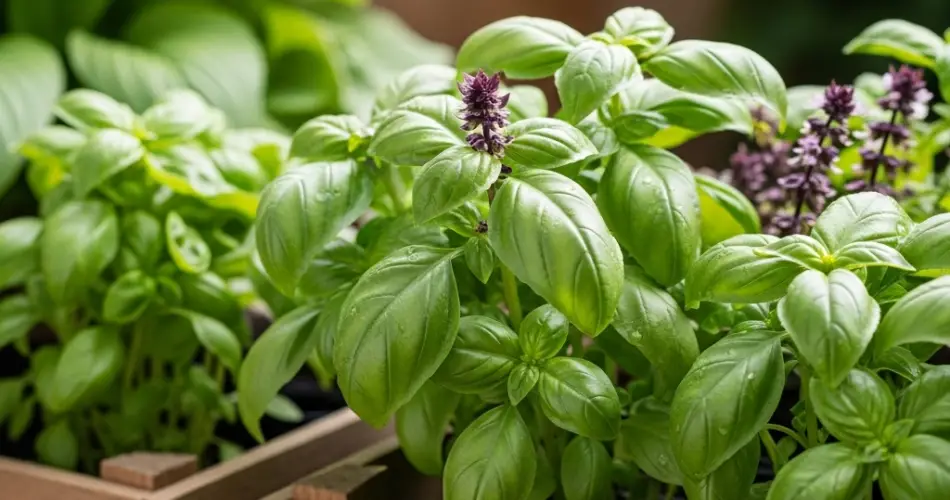
Basil is one of the most versatile and aromatic herbs used in kitchens around the world. Known for its vibrant green leaves and distinctive flavor, it is a key ingredient in many dishes, from pesto to fresh salads and savory sauces. Growing your own basil not only guarantees a fresh supply but also enhances your garden with its fragrance and lush greenery. The good news is that you don’t need a large garden to enjoy this herb—simple wooden crates can be transformed into productive planters, making it easy to grow basil in even the smallest spaces.
This guide will show you how to set up crate planters, care for your basil plants, and harvest them to bring garden-fresh flavor straight to your kitchen.
Why Choose Crates for Basil?
Wooden crates are a practical and creative way to grow basil. Unlike traditional garden beds, crates are portable, space-efficient, and budget-friendly. They fit perfectly in patios, balconies, and small garden corners. Here are a few reasons crates are ideal for basil planting:
-
Portability: Crates can be moved to catch the sun or sheltered during heavy rains.
-
Space-saving: Their compact design makes them great for small living spaces.
-
Good drainage: With proper preparation, crates allow water to escape easily, preventing root rot.
-
Rustic charm: Wooden crates add a decorative and natural touch to outdoor gardens.
Growing basil in crates combines practicality with beauty, making it suitable for beginners and seasoned gardeners alike.
Selecting and Preparing Your Crate
Not every crate is ready for planting, so a bit of preparation goes a long way.
-
Size: Choose a crate at least 12 inches deep to give basil roots enough room to grow.
-
Material: Use untreated wood to avoid chemicals leaching into the soil.
-
Sturdiness: Ensure the crate is strong enough to hold moist soil, which can be heavy.
Before planting, line the inside with landscape fabric, burlap, or a plastic liner with drainage holes. This keeps soil in place while still allowing water to escape. For longevity, raise the crate off the ground using bricks or wooden blocks to promote airflow and protect it from moisture damage.
Preparing the Soil
Basil thrives in rich, well-draining soil. A good mix for crate gardening includes:
-
Base: High-quality potting mix rather than heavy garden soil.
-
Nutrients: Compost or organic matter to feed the plants.
-
Drainage: Perlite or coarse sand to keep the soil light and airy.
Basil prefers slightly acidic to neutral soil with a pH between 6.0 and 7.0. Healthy soil ensures lush growth and flavorful leaves.
Planting Basil
You can grow basil from seeds or seedlings, depending on your preference.
-
Seeds: Sow them ¼ inch deep in the soil. Keep the soil moist until the seedlings sprout, usually within 7–10 days. Thin them out once they are 2–3 inches tall, leaving about 6–8 inches between plants.
-
Seedlings: Transplant nursery plants directly into the crate, spacing them to allow air circulation and prevent overcrowding.
Planting multiple seedlings at different times can provide a continuous supply throughout the growing season.
Sunlight and Watering
Basil loves warmth and sunlight, which means crate placement is important.
-
Light: Ensure at least 6 hours of direct sunlight daily. If indoors, place the crate near a bright window or supplement with grow lights.
-
Water: Keep the soil consistently moist but never soggy. Water at the base of the plants rather than overhead to prevent fungal problems.
-
Mulch: Adding a thin layer of mulch helps retain moisture and keeps the soil temperature steady.
Caring for Basil Plants
To keep your basil healthy and productive, follow these care tips:
-
Pruning: Regularly pinch off the tops of plants once they have 6–8 leaves. This encourages bushy growth and prevents early flowering.
-
Fertilizing: Feed with a balanced liquid fertilizer every few weeks, but avoid over-fertilization, as it can dilute basil’s flavor.
-
Flower Control: Basil leaves lose some of their taste when the plant flowers. Remove flower buds quickly to maintain flavorful harvests.
With consistent care, a crate of basil can provide fresh leaves for many months.
Harvesting Your Basil
Harvesting basil is simple and rewarding.
-
When to harvest: Start picking leaves once the plant is at least 6–8 inches tall.
-
How to harvest: Snip stems just above a set of leaves. This not only provides fresh herbs but also encourages more growth.
-
Storage: Use fresh basil right away, freeze leaves in olive oil for later, or dry them for a long-lasting supply.
Regular harvesting actually keeps the plant healthier and more productive.
Bringing Basil from Crate to Kitchen
What makes crate gardening so satisfying is the direct connection between your garden and your meals. Imagine stepping outside, clipping fresh basil, and adding it straight to your cooking. Basil is versatile and can be used in countless ways:
-
Blended into pesto for pasta or sandwiches.
-
Torn fresh over pizza or caprese salad.
-
Added to soups, sauces, and stir-fries for aroma and flavor.
-
Steeped in water or tea for a refreshing drink.
Conclusion
Transforming a simple wooden crate into a basil planter is an easy and rewarding project. With the right soil, sunlight, and care, you can enjoy a steady supply of this fragrant herb right at home. Crate gardening not only saves space but also adds rustic charm to your outdoor garden. Best of all, it brings you one step closer to the ultimate goal: enjoying fresh, homegrown basil straight from crate to kitchen.


