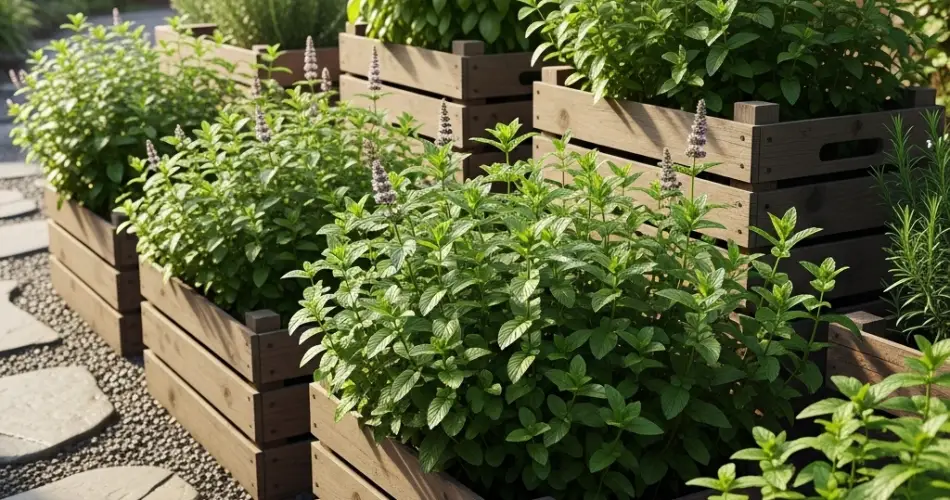
Mint is one of the easiest and most rewarding herbs to grow at home. Its refreshing aroma and versatile flavor make it a favorite for teas, desserts, savory dishes, and even natural remedies. Because mint grows quickly and spreads aggressively, growing it in containers such as wooden crates is an excellent way to control its growth while still enjoying abundant harvests. Using crates also brings a rustic, eco-friendly touch to your garden or balcony.
This guide will take you step by step through the process of planting mint in wooden crates, ensuring a healthy, thriving supply of this aromatic herb right at your fingertips.
Why Choose Wooden Crates for Mint
Wooden crates are practical, affordable, and sustainable. They are often made from recycled or reclaimed wood, making them an eco-friendly option. Unlike plastic pots, crates allow for better airflow around the soil, and they provide ample root space for mint’s vigorous growth.
Another advantage is portability. You can easily shift crates to sunnier or shadier spots depending on the season or weather conditions. Plus, their rustic look adds charm to patios, balconies, or backyard spaces, blending functionality with style.
Preparing the Crates
To successfully grow mint in wooden crates, proper preparation is key:
-
Select a sturdy crate – Choose one that can handle the weight of soil and withstand outdoor conditions. Fruit crates, wine boxes, or handmade wooden boxes work well.
-
Line the interior – Wood can degrade quickly when in contact with wet soil. Line the inside with landscape fabric, burlap, or a plastic sheet with drainage holes to protect the wood and keep soil in place.
-
Provide drainage – Drill small holes at the bottom if they are not already present. Proper drainage prevents root rot, which mint is prone to if left in soggy conditions.
-
Elevate the crate – Place the crate on bricks or wooden blocks to improve air circulation and reduce moisture buildup underneath.
Creating the Ideal Soil Mix
Mint thrives in nutrient-rich, well-draining soil. A good mix includes:
-
50% high-quality potting soil
-
30% compost or aged manure for nutrients
-
20% perlite or coarse sand for improved drainage
This blend balances fertility with airflow, keeping roots healthy and encouraging lush growth.
Planting Mint in Crates
There are several ways to start mint in your crate:
-
Seeds – Scatter seeds evenly over the soil, cover lightly, and keep moist until germination.
-
Cuttings – Mint propagates quickly from stem cuttings. Place cuttings in water until roots form, then transplant into the crate.
-
Nursery plants – For a faster start, buy small mint plants and place them directly into the prepared soil mix.
Mint spreads rapidly, so planting one or two stems in each crate is usually enough. Over time, they will fill the space with dense, fragrant foliage.
Sunlight and Watering Needs
Mint grows best with 4–6 hours of sunlight each day. In hot climates, afternoon shade helps prevent leaves from burning. If your crate is indoors or on a shaded balcony, position it near a bright window or supplement with grow lights.
When it comes to watering, consistency is important:
-
Keep the soil evenly moist but avoid overwatering.
-
Water at the base of the plant rather than on the leaves to prevent fungal diseases.
-
In summer, check soil daily since crates may dry out faster than ground beds.
Feeding and Maintenance
Mint is not demanding, but occasional feeding will keep it at its best. Apply an organic liquid fertilizer, such as compost tea or diluted fish emulsion, once every three to four weeks. This provides a boost of nutrients that encourage leafy growth.
Regular pruning is also essential. Pinch back the tips of stems often to encourage branching, and harvest frequently to prevent the plant from becoming leggy. Removing flower buds as they appear will keep the plant focused on producing flavorful leaves instead of seeds.
Harvesting Mint
You can begin harvesting when plants reach about 6 inches in height. Use scissors or simply pinch off stems and leaves as needed. For the strongest flavor, harvest in the morning before the sun is at its peak.
Excess harvest can be preserved by drying or freezing. Dried mint is perfect for teas, while frozen mint cubes can be added to drinks and dishes for fresh flavor year-round.
Added Benefits of Mint in Crates
Beyond its culinary uses, mint provides several extra advantages. Its strong scent naturally repels insects like mosquitoes and ants, making it useful as a natural deterrent. A crate placed near doorways or outdoor seating areas will help keep pests away.
Mint also pairs well as a companion plant. Grown near vegetables such as tomatoes, peppers, or cabbage, it can help reduce insect infestations and improve plant health.
Seasonal Care and Longevity
In cooler regions, mint will die back in winter but usually regrows in spring. To extend the growing season, move the crate to a sheltered spot during frost or bring a smaller crate indoors. Mulching the soil surface can also help protect roots during colder months.
Final Thoughts
Growing aromatic mint in wooden crates is simple, sustainable, and rewarding. With minimal effort, you can enjoy a constant supply of fresh leaves for your kitchen while also benefiting from its pest-repelling qualities and fragrant presence in your backyard. Whether you’re a beginner gardener or an experienced grower, mint in crates offers an easy way to bring freshness and greenery into your space.


