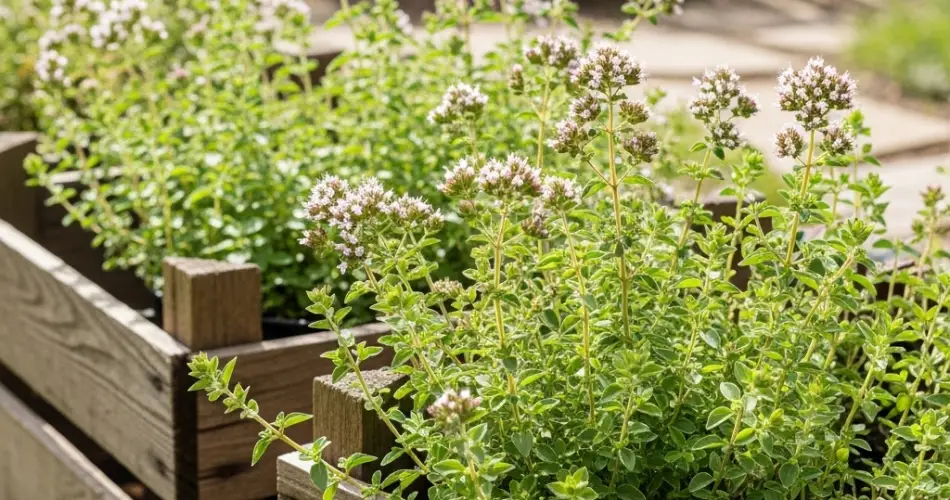
Oregano is one of the most beloved herbs in Mediterranean cuisine. Its warm, aromatic flavor adds depth to pizzas, pastas, grilled meats, and vegetable dishes. Beyond the kitchen, oregano is valued for its resilience, medicinal qualities, and ability to thrive in a wide range of growing conditions. If you’ve ever dreamed of bringing a touch of the Mediterranean into your backyard, growing oregano in wooden crates is a stylish, practical, and rewarding way to do it.
Crate gardening is an increasingly popular method for cultivating herbs and vegetables in compact spaces. Not only does it help control soil quality and growth patterns, but it also brings a rustic, decorative element to your outdoor space. By planting oregano in wooden crates, you’ll enjoy the convenience of fresh herbs at your fingertips without worrying about invasive spreading or poor soil conditions.
Why Grow Oregano in Crates?
Oregano, though hardy and relatively easy to grow, can spread quickly if planted directly in the ground. Much like mint, it has a tendency to expand beyond its designated area. Wooden crates help solve this issue by providing a contained environment, ensuring that oregano stays neatly within its boundaries.
Other advantages of crate gardening include:
-
Mobility: Crates can be repositioned to catch the sun throughout the day or moved indoors during colder months.
-
Space Efficiency: Perfect for small backyards, patios, or balconies.
-
Aesthetic Appeal: Wooden crates add a rustic, Mediterranean-style charm to any garden space.
-
Soil Control: You can provide oregano with well-draining, nutrient-rich soil that is sometimes difficult to achieve directly in the ground.
Setting Up a Wooden Crate for Oregano
To grow oregano successfully in a crate, preparation is key. Start with a wooden crate that is sturdy enough to hold soil without collapsing. Choose one that is at least 10–12 inches deep to give oregano roots enough space to develop.
Steps to Prepare the Crate:
-
Lining: Line the inside with landscape fabric or burlap. This prevents soil from spilling out while allowing for proper drainage.
-
Drainage Holes: Ensure the bottom has holes or gaps for excess water to escape, as oregano dislikes soggy soil.
-
Soil Mix: Fill the crate with a well-draining potting mix. A blend of garden soil, coarse sand, and compost works best for oregano, mimicking the dry, rocky Mediterranean soils where it naturally thrives.
-
Positioning: Place the crate in a sunny location where oregano will receive at least 6–8 hours of direct sunlight each day.
Planting Oregano
Oregano can be grown from seeds, seedlings, or cuttings.
-
Seeds: Scatter seeds on the soil surface and lightly cover them with a thin layer of soil. Keep the soil moist until germination, which usually takes about 7–10 days.
-
Seedlings: For a quicker start, purchase oregano seedlings from a nursery and transplant them directly into the crate.
-
Cuttings: Take cuttings from an established oregano plant, allow them to root in water, and then transfer them to the crate.
Space multiple plants about 8–10 inches apart, as oregano grows into a bushy form.
Caring for Oregano in Crates
Oregano is a hardy plant that requires minimal maintenance once established, but a few simple practices will help it thrive:
-
Watering: Water moderately, allowing the soil to dry slightly between watering sessions. Overwatering can lead to root rot.
-
Pruning: Regularly trim stems to encourage bushier growth and prevent legginess. Pinching off flower buds also helps maintain strong, flavorful leaves.
-
Fertilization: Oregano is not a heavy feeder. A light application of compost or organic fertilizer once or twice during the growing season is sufficient.
-
Pest Resistance: Oregano naturally repels many pests, making it a low-maintenance herb. Occasionally, you may spot aphids or spider mites, which can be controlled with neem oil or a simple soapy water spray.
Harvesting Oregano
Harvest oregano once the plant reaches 4–6 inches in height. The best flavor comes just before the plant begins to flower. Use scissors to snip stems just above a pair of leaves, which will encourage new growth.
For drying, bundle harvested stems and hang them upside down in a warm, dry place. Once dried, crumble the leaves and store them in airtight containers. Dried oregano retains much of its flavor, making it a reliable kitchen staple even outside the growing season.
Culinary Uses of Fresh Oregano
Fresh oregano is a versatile herb that brings a Mediterranean flair to countless dishes:
-
Sprinkle over pizzas and flatbreads for authentic flavor.
-
Add to pasta sauces, soups, and stews.
-
Mix into marinades for grilled meats, fish, or vegetables.
-
Use fresh leaves in salads, particularly Greek-style dishes with tomatoes, cucumbers, and olives.
-
Infuse in oils or vinegar for a homemade herb condiment.
Growing oregano at home ensures that you always have a fresh, fragrant supply ready for your recipes.
Bringing the Mediterranean Home
Wooden crate gardening is more than just a functional method—it’s a way to add character and charm to your outdoor space. By growing oregano in crates, you capture a piece of the Mediterranean lifestyle right in your backyard. The combination of fragrant herbs, rustic wooden containers, and the ease of harvesting creates a garden setup that is as practical as it is beautiful.
With just a bit of preparation and care, oregano will reward you with robust growth, abundant harvests, and a touch of Mediterranean warmth in your meals. Whether you’re a seasoned gardener or a beginner, this simple crate system provides a manageable, stylish way to enjoy one of the world’s most cherished herbs year-round.


