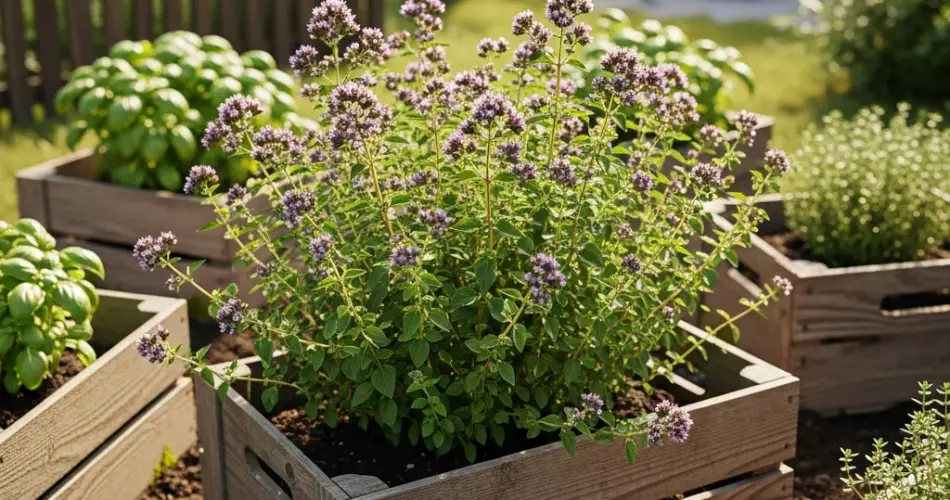
Oregano is one of the most beloved Mediterranean herbs, known for its earthy aroma and bold flavor that elevates countless dishes, from pizza to pasta sauces. Growing oregano at home not only ensures a steady supply of fresh leaves but also adds charm to your garden, balcony, or kitchen space. Because oregano thrives in contained environments, wooden crates make excellent planters for this hardy herb. They are cost-effective, sustainable, and provide a rustic, decorative touch.
This guide will walk you through creating your own herb crate planters for oregano, covering everything from preparation and planting to care and harvesting.
Why Choose Wooden Crates for Oregano
Wooden crates are a practical alternative to traditional pots. They are often easy to find, either recycled from fruit boxes, wine boxes, or purchased from garden supply stores. Crates provide enough root space for oregano while helping prevent the soil from becoming waterlogged if drainage is set up correctly.
Besides functionality, wooden crates bring a cozy, farmhouse aesthetic to your growing space. They can be used indoors on windowsills, outdoors on patios, or even grouped together for a stylish herb corner. With minimal effort, you’ll have a sustainable and attractive planter that complements the rustic nature of growing herbs.
Preparing the Crate
To create the ideal planter for oregano, follow these steps:
-
Select the right crate – Choose a wooden crate that is sturdy and at least 8–10 inches deep to accommodate oregano’s root system.
-
Line the inside – To prevent soil from leaking out and to protect the wood, line the crate with landscape fabric, burlap, or a plastic sheet with small drainage holes.
-
Ensure proper drainage – Drill or check for holes at the bottom of the crate. Oregano does not like sitting in soggy soil, so drainage is crucial.
-
Elevate the crate – Place the crate on small blocks, bricks, or pot feet to allow excess water to escape and reduce the risk of rot.
Best Soil for Oregano
Oregano thrives in slightly dry, well-drained soil that mimics its Mediterranean origins. A good soil mix includes:
-
50% standard potting mix
-
30% coarse sand or perlite for aeration
-
20% compost for nutrients
This mixture ensures that oregano roots stay healthy, preventing waterlogging while still providing enough organic matter to support growth.
Planting Oregano in Crates
You can start oregano from seeds, cuttings, or small nursery plants.
-
Seeds: Scatter seeds over the soil surface and cover lightly with a thin layer of soil. Keep the soil moist until germination occurs in about 7–14 days.
-
Cuttings: Take a healthy cutting from an existing oregano plant, place it in water until roots develop, then transplant into the crate.
-
Nursery plants: For a quicker start, transplant young oregano plants directly into the prepared soil.
When planting, space oregano about 8 inches apart if growing multiple plants in one crate. Since oregano spreads horizontally, giving each plant room helps it grow into a bushy, productive herb.
Light and Watering Needs
Oregano thrives in full sunlight, requiring at least 6–8 hours of direct sun each day. If growing indoors, place the crate near a sunny window or supplement with grow lights.
As a drought-tolerant herb, oregano prefers slightly dry soil. Water only when the top inch of soil feels dry to the touch. Avoid overwatering, as this can cause root rot and reduce the plant’s flavor.
Feeding and Care
Oregano does not require heavy feeding. A light application of compost or an all-purpose organic fertilizer once a month during the growing season is sufficient. Too much fertilizer can dilute the herb’s essential oils, reducing its flavor.
Pruning is essential to keep oregano healthy and productive. Regularly pinch back the tips of stems to encourage bushier growth. Remove flower buds as they appear, since flowering reduces leaf flavor and oil content.
Harvesting Oregano
You can begin harvesting oregano once the plant reaches about 6 inches tall. Use scissors or pinch off stems, harvesting no more than one-third of the plant at a time to allow for regrowth.
For the best flavor, harvest in the morning before the sun is at its peak. Oregano leaves can be used fresh or preserved by drying. To dry oregano, bundle stems together and hang them upside down in a warm, dry place. Once dried, strip the leaves from the stems and store them in airtight jars.
Benefits of Oregano in Crates
Growing oregano in crates comes with several added benefits:
-
Mobility: You can move crates easily to adjust for sun exposure or bring them indoors during harsh weather.
-
Pest control: Oregano naturally repels certain insects, making it a useful companion plant.
-
Space efficiency: Crates fit perfectly on balconies, patios, or small backyards, allowing you to maximize limited space.
-
Aesthetic appeal: Crates give your herb garden a rustic, decorative charm.
Final Thoughts
Creating DIY herb crate planters for oregano is a simple, sustainable, and stylish way to grow this versatile herb at home. With proper preparation, the right soil mix, and a little care, oregano will thrive in wooden crates, providing you with an endless supply of fresh, aromatic leaves. Whether you’re a beginner gardener or a seasoned herb enthusiast, this method offers an easy and attractive solution for keeping your kitchen stocked with homegrown oregano.


