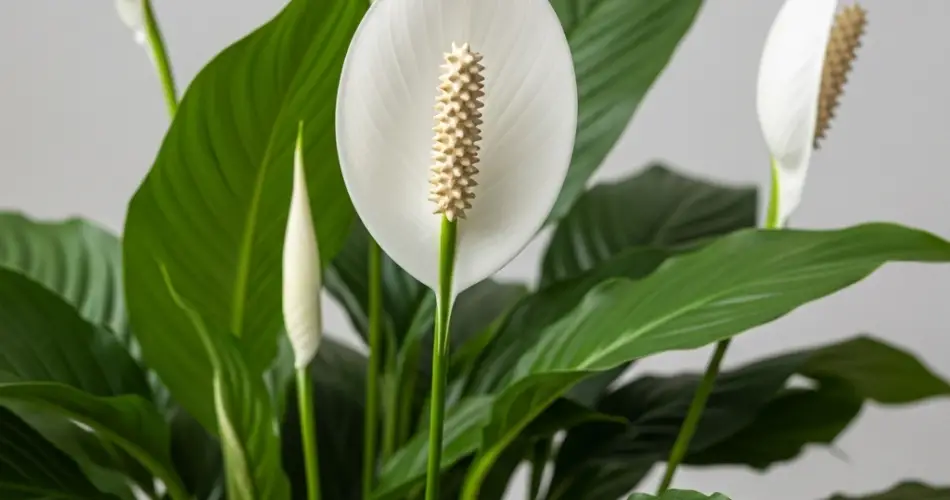
Peace lilies (Spathiphyllum) are popular houseplants known for their graceful white blooms and deep green foliage. Despite their reputation for being low-maintenance, many plant lovers encounter a common issue: yellowing leaves. At first glance, it may seem like a minor cosmetic concern, but yellow leaves are often a sign that something is seriously wrong with your plant’s care routine.
Understanding what causes yellowing leaves in Peace Lilies is the first step toward restoring their health and beauty. Here’s a complete guide to diagnosing and fixing the problem so your plant can thrive once again.
Common Reasons Peace Lily Leaves Turn Yellow
Several factors can lead to yellowing leaves, and the key is to identify the cause as early as possible.
1. Overwatering
This is the number one cause of yellow leaves in Peace Lilies. These plants prefer consistently moist soil, but they don’t tolerate soggy conditions. If the roots are constantly sitting in water, they can become oxygen-deprived and begin to rot. One of the first symptoms of root rot is yellowing leaves.
How to Fix It:
-
Allow the top inch of soil to dry before watering again.
-
Make sure the pot has drainage holes.
-
If the roots are mushy and dark, consider repotting in fresh, well-draining soil.
2. Underwatering
On the opposite end, underwatering can also cause yellow leaves. When the plant doesn’t get enough moisture, it begins to conserve energy, sacrificing older leaves first.
How to Fix It:
-
Water your Peace Lily when the soil feels dry about 1–2 inches below the surface.
-
Keep a regular watering schedule, especially in warmer months.
3. Lack of Nutrients
Nutrient deficiency is another culprit. A Peace Lily that hasn’t been fed in a long time may start showing yellowing as older leaves lose nutrients.
How to Fix It:
-
Use a balanced, water-soluble fertilizer (like 20-20-20) once a month during the growing season.
-
Avoid over-fertilizing, as this can lead to salt buildup and root burn.
4. Improper Lighting
Peace Lilies prefer bright, indirect light. Too much direct sunlight can scorch the leaves, causing them to yellow or brown at the edges. Conversely, too little light can weaken the plant and result in pale, yellow foliage.
How to Fix It:
-
Place your plant near a window with filtered light or in a spot with strong ambient light.
-
Avoid direct sun exposure, especially during peak hours.
5. Natural Aging
Not all yellowing is a sign of distress. Sometimes older leaves naturally yellow and die off as new growth emerges.
How to Fix It:
-
Trim off yellow leaves at the base to redirect energy to healthy growth.
-
Monitor the plant—if only one or two leaves are affected occasionally, it’s likely normal.
Bonus Tip: Temperature and Humidity Matter
Peace Lilies are tropical plants. Cold drafts, sudden temperature changes, or extremely dry indoor air (especially in winter with heating systems) can cause yellowing and drooping.
How to Fix It:
-
Keep your plant in a warm environment (65–80°F / 18–27°C).
-
Use a humidity tray or room humidifier to maintain 50–60% humidity.
-
Keep away from air vents and drafty windows.
How to Revive a Struggling Peace Lily
If your Peace Lily has yellowing leaves and looks limp or unhealthy overall, here are steps to help it recover:
-
Inspect the Roots
Remove the plant from the pot and examine the roots. Healthy roots are white or tan and firm. Trim off any black or mushy roots and repot the plant in fresh soil. -
Repot if Needed
If your Peace Lily is root-bound (roots circling the pot), it may not be absorbing water or nutrients effectively. Move it to a pot 1–2 inches larger in diameter. -
Use Rainwater or Distilled Water
Tap water with high chlorine or fluoride can damage leaves. Use filtered, distilled, or rainwater if possible. -
Fertilize Correctly
Start with a diluted liquid fertilizer and apply monthly during the growing season. Avoid feeding during winter when the plant is semi-dormant. -
Keep the Environment Stable
Consistency is key. Maintain regular watering, proper lighting, and a stable room temperature.
When to Worry
If your Peace Lily is dropping multiple leaves rapidly, turning yellow from the center of the plant outward, or showing black spots along with yellowing, the issue may be more severe. In such cases, it’s essential to act quickly—trim the damaged leaves, check the roots, and correct any environmental issues.
Final Thoughts
Yellowing leaves on your Peace Lily don’t mean all is lost. In most cases, it’s a sign that your plant needs a small adjustment in care—whether it’s watering, light, or nutrients. By paying attention to the plant’s signals and taking prompt action, you can restore your Peace Lily’s lush, green beauty and enjoy its graceful blooms for years to come.


