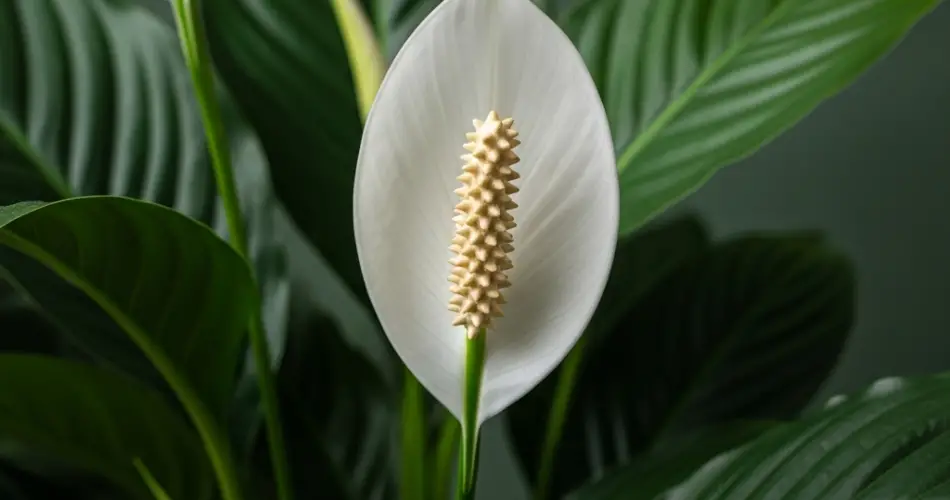
The Peace Lily (Spathiphyllum) is one of the most beloved indoor plants thanks to its elegant white flowers, lush green foliage, and ability to purify the air. It’s often recommended for beginners because of its relatively low maintenance. However, like any plant, it still requires the right care to truly thrive. Unfortunately, small mistakes in its care routine can lead to drooping leaves, yellowing, and failure to bloom.
In this article, you’ll learn how to care for your Peace Lily properly and discover the most common mistakes plant owners make—plus how to fix them.
Ideal Growing Conditions for Peace Lily
1. Light:
Peace Lilies prefer bright, indirect light. While they can tolerate lower light conditions, too little light will reduce flowering and result in slower growth. On the other hand, too much direct sunlight can scorch the leaves, turning them yellow or brown.
Best Practice:
Place your Peace Lily near an east- or north-facing window, or use sheer curtains to filter strong sunlight if it’s near a south-facing window.
2. Watering:
Overwatering is the most common issue Peace Lily owners face. The plant likes moist soil but cannot sit in standing water. Too much moisture leads to root rot, which causes wilting, yellowing, and even death.
Best Practice:
Water only when the top inch of soil feels dry. During warmer months, this may be once a week. In winter, watering frequency decreases. Always use pots with drainage holes to prevent soggy roots.
3. Temperature and Humidity:
Peace Lilies love warm, humid environments, similar to their native tropical habitat.
Best Practice:
Maintain a temperature between 65–80°F (18–27°C). Avoid cold drafts and sudden temperature changes. Boost humidity by misting the leaves, using a humidifier, or placing a tray of water and pebbles near the plant.
4. Soil and Potting:
The plant thrives in loose, well-draining soil. Compact or heavy soils can retain too much water and suffocate the roots.
Best Practice:
Use a mix of standard potting soil with added perlite or coconut coir to improve drainage. Repot every 1–2 years or when roots start circling the bottom of the pot.
5. Fertilization:
Peace Lilies do not need heavy feeding. Over-fertilization can cause brown leaf tips and poor health.
Best Practice:
Fertilize lightly once a month during spring and summer with a balanced, water-soluble houseplant fertilizer diluted to half strength. Avoid fertilizing during the dormant winter months.
Common Mistakes and How to Fix Them
Mistake 1: Letting the Plant Sit in Water
Peace Lilies hate wet feet. A saucer that holds excess water under the pot can lead to root rot.
Fix:
Empty the saucer after watering and use well-draining soil in a pot with drainage holes.
Mistake 2: Ignoring Signs of Stress
Droopy leaves don’t always mean the plant needs water. It could be a sign of overwatering or poor drainage.
Fix:
Check soil moisture with your finger. If it’s still wet and the leaves are limp, reduce watering and allow the soil to dry slightly.
Mistake 3: Using Hard Tap Water
Peace Lilies are sensitive to chlorine, fluoride, and other chemicals found in tap water. These can cause leaf tip burn and discoloration.
Fix:
Use filtered, distilled, or rainwater when watering your plant.
Mistake 4: Expecting Constant Blooms
While Peace Lilies can bloom year-round under ideal conditions, many bloom in cycles and rest during fall or winter.
Fix:
Ensure your plant gets sufficient light and nutrients during its active growth period. Be patient and let the plant rest during its off-season.
Mistake 5: Ignoring Pests or Dust
Peace Lilies are not immune to pests like spider mites or aphids, and dusty leaves can interfere with photosynthesis.
Fix:
Wipe the leaves gently with a damp cloth every few weeks and inspect regularly for pests. If needed, use a mild insecticidal soap spray.
Signs of a Healthy Peace Lily
-
Glossy green leaves with no yellowing or browning
-
Occasional white blooms during the growing season
-
Upright posture and new leaf growth
-
Soil that dries out moderately between waterings
Final Thoughts
With the right balance of light, water, and care, a Peace Lily can live for years and provide a calm, elegant presence in any space. Most care mistakes are easy to fix once you recognize them. Pay attention to your plant’s signals, and adjust your routine as needed. A happy Peace Lily will reward you with vibrant leaves and graceful white blooms that brighten your home all year round.


