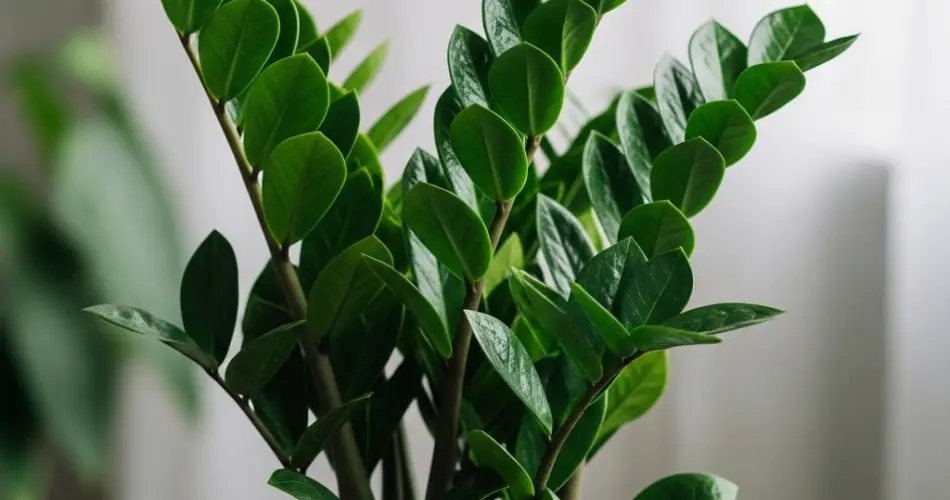
The ZZ plant (Zamioculcas zamiifolia) is famous for its sleek, glossy leaves and almost indestructible nature. It tolerates neglect, low light, and irregular care — which is why it’s often called the perfect plant for beginners. But while it’s known for being low-maintenance, many plant owners don’t realize that how you water it can actually influence how quickly and robustly it grows.
If your ZZ plant has been stuck with the same few stems for months or seems healthy but hasn’t put out new growth, your watering routine might be the reason. In this guide, you’ll learn the best way to water your ZZ plant to encourage new branch development, bigger leaves, and faster growth.
Understanding ZZ Plant Growth
ZZ plants grow from underground structures called rhizomes, which store water and nutrients. These rhizomes allow the plant to survive long dry spells. However, to encourage new shoots and foliage, those rhizomes need the right balance of moisture and air.
Too little water, and the rhizomes won’t have the resources to push out new growth. Too much water, and they can rot. That’s why getting the watering routine right is key to encouraging new branches and healthy development.
How Often Should You Water a ZZ Plant?
The golden rule: less is more, but not too little. You should only water your ZZ plant when the soil is completely dry — not just on the surface but down near the roots. Depending on your indoor conditions (temperature, humidity, pot size), this might mean watering every 10 to 21 days.
To test the soil moisture:
-
Stick your finger about 2–3 inches into the soil. If it feels dry, it’s time to water.
-
Alternatively, use a moisture meter to ensure accuracy. Aim for a reading of “dry” before watering again.
The Best Way to Water a ZZ Plant
-
Water Deeply, Not Lightly
-
When you water, do it thoroughly. Add water until it begins to drain out from the bottom of the pot. This ensures the entire root ball gets moisture, not just the top layer.
-
-
Let it Drain Completely
-
ZZ plants hate soggy soil. Always empty the saucer under the pot to avoid root rot. Use a pot with drainage holes and a well-draining soil mix (such as cactus or succulent mix with added perlite or sand).
-
-
Mimic Natural Dry Cycles
-
In their native environment, ZZ plants experience dry periods followed by rainfall. Mimicking this cycle indoors helps trigger growth. After watering thoroughly, let the plant dry out completely before watering again.
-
Key Tips to Trigger New Growth
1. Water + Light Combo
While ZZ plants tolerate low light, they thrive and grow faster in bright, indirect sunlight. If you’re giving the right amount of water but the plant isn’t growing, it may need more light. Move it closer to a bright window (avoid direct afternoon sun).
2. Fertilize Sparingly but Strategically
Every 4–6 weeks during the growing season (spring and summer), add a diluted, balanced liquid houseplant fertilizer after watering. Avoid fertilizing dry soil — this can shock the roots.
3. Maintain Warmth
ZZ plants grow best in temperatures between 65–80°F (18–27°C). Cold temperatures can slow growth dramatically.
4. Watch for Dormancy
In fall and winter, your ZZ plant may naturally slow down. This is not the time to force growth with more water. Instead, cut back on watering and allow the plant to rest until spring.
Signs You’re Watering Correctly
✅ New stems or branches emerging from the soil
✅ Slightly plumper, glossy leaves
✅ No yellowing or black mushy stems at the base
✅ Rhizomes feel firm, not soft or squishy when gently felt through the soil
Signs of Overwatering or Underwatering
Overwatering:
-
Yellowing leaves
-
Mushy stems
-
Mold on soil surface
-
Foul smell from the pot
Underwatering:
-
Wrinkled or drooping leaves
-
Dry, compacted soil pulling away from the pot
-
Brown tips on older leaves
Final Watering Tips for Growth
-
Water in the morning — this gives the plant time to absorb moisture during daylight hours.
-
Use room-temperature water — cold water can shock the roots.
-
Filter your water if possible — ZZ plants are sensitive to chemicals like fluoride in tap water. Use filtered or rainwater if your plant shows browning tips.
Conclusion
Watering a ZZ plant might seem simple, but with a little attention to timing, depth, and drainage, you can go beyond basic care and actually encourage vibrant growth. By waiting until the soil is dry, watering deeply, and ensuring good drainage, you’ll create the ideal environment for your ZZ plant to send out new branches and thrive.
Consistency, patience, and good light — paired with the proper watering technique — will reward you with a flourishing plant that continues to grow season after season.


