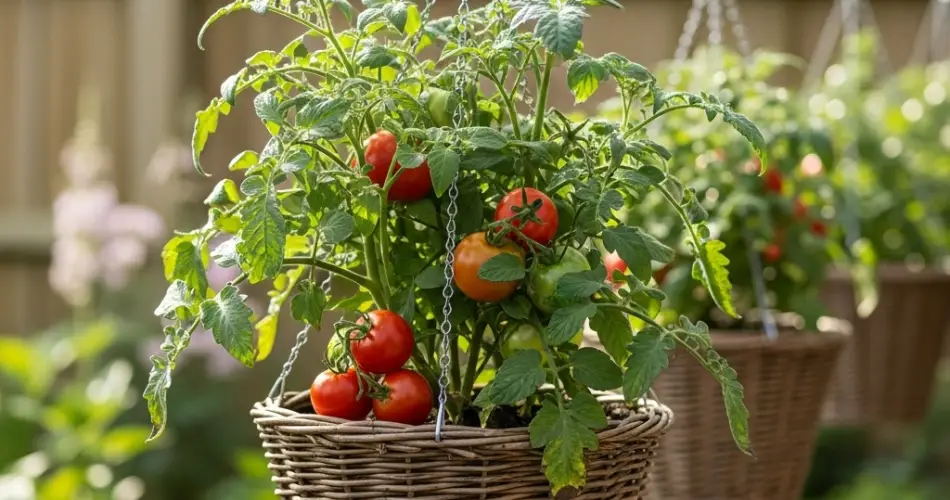
Tomatoes are one of the most popular and rewarding crops to grow at home. Not only are they delicious and versatile in the kitchen, but they also thrive in containers, making them perfect for gardeners with limited space. If you live in an apartment, have a small balcony, or simply want to decorate your patio with edible greenery, growing tomatoes in baskets is a great choice. With the right techniques, you can enjoy juicy, homegrown tomatoes even without a large backyard.
This step-by-step guide walks you through everything you need to know about planting and caring for tomatoes in baskets, from choosing the right container to harvesting ripe fruits.
Step 1: Choose the Right Basket
The first step in successful tomato basket planting is selecting a suitable container. Tomatoes require plenty of space for root development, so your basket should be large and sturdy.
-
Size: A basket at least 16–18 inches deep and wide is recommended. Larger baskets allow for more soil, which holds moisture better and supports healthier roots.
-
Material: Woven baskets lined with coconut coir, burlap, or landscape fabric are ideal. The liner prevents soil from spilling while still allowing good drainage.
-
Strength: Since soil, water, and mature plants can be heavy, ensure your basket is durable enough to hold the weight throughout the growing season.
Step 2: Prepare the Soil Mix
Tomatoes thrive in rich, well-draining soil. Since baskets have limited soil volume, creating a high-quality mix is essential.
-
Base: Use a premium potting mix rather than garden soil, which can be too dense.
-
Nutrition: Blend in compost or well-rotted manure to boost fertility.
-
Aeration: Add perlite or coarse sand to ensure proper drainage and root oxygenation.
A balanced soil mix ensures your tomato plants receive nutrients while preventing waterlogging.
Step 3: Select Tomato Varieties
Not all tomatoes are equally suited for basket planting. Compact or trailing varieties often perform best in small containers.
-
Cherry tomatoes: Varieties like ‘Tiny Tim’ or ‘Tumbling Tom’ are excellent for baskets because of their compact size and high yield.
-
Determinate varieties: Bush-type tomatoes stay smaller and require less staking, making them ideal for limited spaces.
-
Indeterminate varieties: These can also grow in baskets but may need extra support for their vines.
Choose based on the size of your basket and the amount of space available for plant growth.
Step 4: Planting the Tomatoes
-
Fill the basket halfway with your prepared soil mix.
-
Plant deeply: Place your tomato seedling so that at least two-thirds of the stem is buried. Tomatoes grow roots along buried stems, leading to stronger, more resilient plants.
-
Backfill and firm the soil around the base of the seedling.
-
Water thoroughly to help the plant settle in.
If your basket is large, you may plant two seedlings, but ensure enough space so each plant gets light and airflow.
Step 5: Provide Proper Support
Tomatoes, even compact varieties, often need support to keep their stems upright and fruits off the soil.
-
Cages: Place a small tomato cage directly in the basket after planting.
-
Stakes: Bamboo stakes or wooden supports work well for guiding growth.
-
Hanging growth: Some varieties naturally trail over the sides of the basket, creating a cascading effect.
Supporting the plant early prevents damage as it grows heavier with fruit.
Step 6: Watering and Feeding
Baskets dry out faster than garden beds, so tomatoes in baskets require consistent attention to watering.
-
Watering: Keep soil evenly moist but not waterlogged. In hot weather, daily watering may be necessary.
-
Mulching: Add a thin layer of straw or dried leaves on top of the soil to reduce evaporation.
-
Feeding: Fertilize every 2–3 weeks with a balanced liquid fertilizer or one high in potassium to encourage flowering and fruiting.
Step 7: Sunlight and Placement
Tomatoes are sun-loving plants that need at least 6–8 hours of direct sunlight daily. Place your basket where it gets the most light, such as a south-facing balcony or patio.
If the sun is too intense during midday, partial shade during peak hours can help prevent leaf scorch while still providing enough light for growth.
Step 8: Pruning and Maintenance
Regular maintenance ensures a healthy plant and better yields.
-
Pruning suckers: Pinch off small shoots (suckers) that grow between the main stem and branches to direct energy into fruit production.
-
Air circulation: Ensure leaves are not overcrowded, as this helps prevent fungal diseases.
-
Check for pests: Inspect leaves regularly for aphids, whiteflies, or tomato hornworms, and remove them promptly.
Step 9: Harvesting Tomatoes
Depending on the variety, tomatoes are usually ready to harvest within 60–85 days after planting.
-
Pick tomatoes when they are fully colored and slightly soft to the touch.
-
Harvest regularly to encourage continued fruit production.
-
If frost is expected at the end of the season, pick green tomatoes and allow them to ripen indoors.
Conclusion
Growing tomatoes in baskets is a rewarding way to enjoy fresh, homegrown produce even in small spaces. With the right container, quality soil, consistent care, and proper support, your tomato plants can thrive and produce abundant harvests.
Whether you’re decorating your balcony with trailing cherry tomatoes or nurturing larger varieties on your patio, basket-grown tomatoes bring beauty and flavor straight to your doorstep. Follow these steps, and you’ll be rewarded with juicy, delicious fruits throughout the season.


