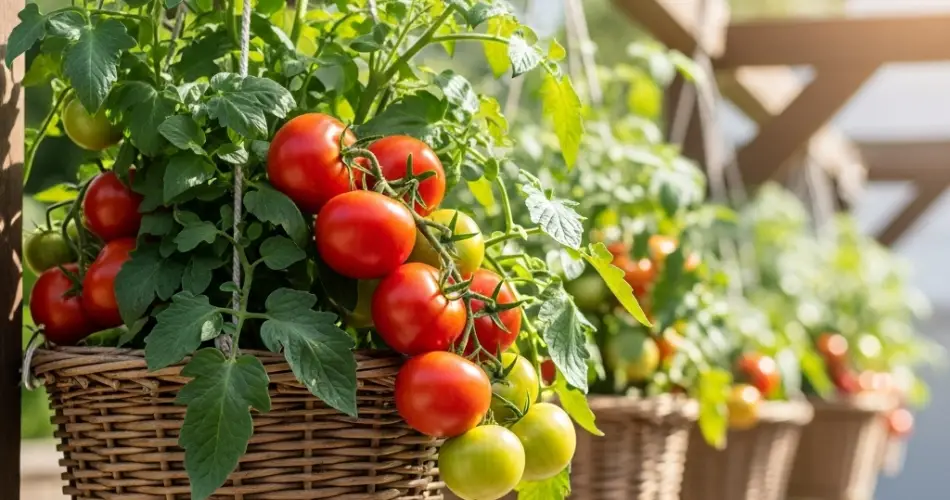
Tomatoes are one of the most popular crops to grow at home. Their versatility in cooking, bright flavors, and nutritional benefits make them a favorite among gardeners. Yet for many people living in apartments or small homes without traditional garden plots, the idea of cultivating fresh tomatoes might feel out of reach. The good news is that urban gardeners have discovered creative ways to bring this beloved crop into small spaces. One of the most effective and attractive methods is growing tomatoes in baskets.
Basket gardening provides a compact, flexible solution for tomato growing, allowing city dwellers to enjoy homegrown produce without needing a backyard. Whether placed on balconies, patios, or sunny windows, baskets bring the garden closer to daily life while maximizing limited space.
Why Choose Basket Gardening for Tomatoes
Tomatoes thrive in containers when given the right care. Hanging baskets, in particular, offer several unique advantages:
-
Space Efficiency: Perfect for apartments or urban settings where ground space is limited.
-
Improved Air Circulation: Elevating the plants reduces the risk of soil-borne diseases.
-
Easy Access: Watering, pruning, and harvesting are more convenient when plants are at arm level.
-
Decorative Appeal: Lush, fruit-laden vines in baskets add beauty to balconies and patios.
With the right setup, tomato baskets are both productive and visually striking.
Choosing the Right Tomato Varieties
Not all tomato plants are ideal for baskets. Compact or trailing types perform best because they adapt well to limited root space. Some great options include:
-
Cherry tomatoes – Small-fruited, fast-growing, and highly productive.
-
Grape tomatoes – Sweet, firm, and excellent for snacking.
-
Patio or dwarf tomatoes – Specifically bred for container gardening.
-
Trailing varieties – Perfect for cascading over the sides of baskets.
Selecting the right variety is key to ensuring success in basket gardening.
Preparing the Basket
The choice of container directly impacts plant health. A sturdy, deep basket lined with coconut coir or cloth is ideal, as it retains soil while allowing good drainage. Key factors to consider:
-
Size: Baskets should be at least 12–16 inches deep to accommodate root development.
-
Drainage: Ensure there are holes at the bottom to prevent waterlogging.
-
Support: Tomatoes need strong support, so use a basket that can hold the weight of both soil and fruit.
Lining the basket helps prevent soil from washing out while still maintaining airflow and drainage.
The Ideal Soil Mix
Tomatoes need nutrient-rich, well-draining soil. A good mix should be loose enough for root growth while retaining moisture. An effective blend includes:
-
High-quality potting soil as the base.
-
Compost or organic matter for nutrients.
-
Perlite or coco coir for aeration and water retention.
A slow-release organic fertilizer can also be mixed in before planting to provide steady nutrition.
Planting Tomatoes in Baskets
Once your basket and soil are ready, planting is simple:
-
Fill the basket halfway with the prepared soil mix.
-
Place the tomato seedling in the center, burying it deeper than usual so that part of the stem is covered. This encourages stronger root growth.
-
Add more soil until the basket is nearly full, leaving an inch at the top to prevent water overflow.
-
Water thoroughly to help the roots settle.
For trailing varieties, you may plant additional seedlings around the edges to create a cascading effect.
Caring for Basket-Grown Tomatoes
Tomatoes in baskets need attentive care because baskets dry out faster than ground soil.
-
Watering: Check moisture daily. During hot weather, watering once or twice a day may be necessary.
-
Feeding: Fertilize every two weeks with a balanced liquid fertilizer or one specifically designed for tomatoes.
-
Sunlight: Place the basket in a spot with at least 6–8 hours of direct sunlight.
-
Pruning: Remove suckers (side shoots) from indeterminate varieties to encourage fruiting.
Adding mulch, such as straw or shredded leaves, helps retain moisture and prevents soil from overheating.
Supporting Tomato Plants
Even compact tomato plants may require support as they begin to bear fruit. Options include:
-
Small stakes inserted into the basket.
-
Lightweight cages attached around the basket.
-
Trellises or nearby railings for trailing varieties.
Providing support early ensures the plant grows upright and prevents stems from breaking under the weight of ripening fruit.
Pest and Disease Management
While baskets reduce the risk of soil-borne issues, tomatoes can still attract pests and diseases.
-
Aphids and whiteflies can be managed with organic sprays like neem oil.
-
Fungal issues are minimized by watering at the base and ensuring good air circulation.
-
Blossom end rot can be avoided with consistent watering and sufficient calcium in the soil.
Regular inspection helps catch problems early before they spread.
Harvesting Fresh Tomatoes
The most rewarding part of basket gardening is harvesting your own ripe, juicy tomatoes. Depending on the variety, fruits are ready 60–80 days after planting. Harvest when the tomatoes are fully colored and slightly firm. Picking regularly encourages continuous production throughout the season.
Final Thoughts
Growing tomatoes in baskets is an accessible, practical, and beautiful way to bring fresh food into urban homes. With the right basket, soil mix, and regular care, anyone can enjoy the satisfaction of harvesting sun-ripened tomatoes from their own balcony or patio.
This method not only provides fresh produce but also transforms limited spaces into thriving, green environments. For city gardeners, basket-grown tomatoes prove that delicious homegrown harvests don’t require a backyard—just creativity, care, and a sunny spot.


