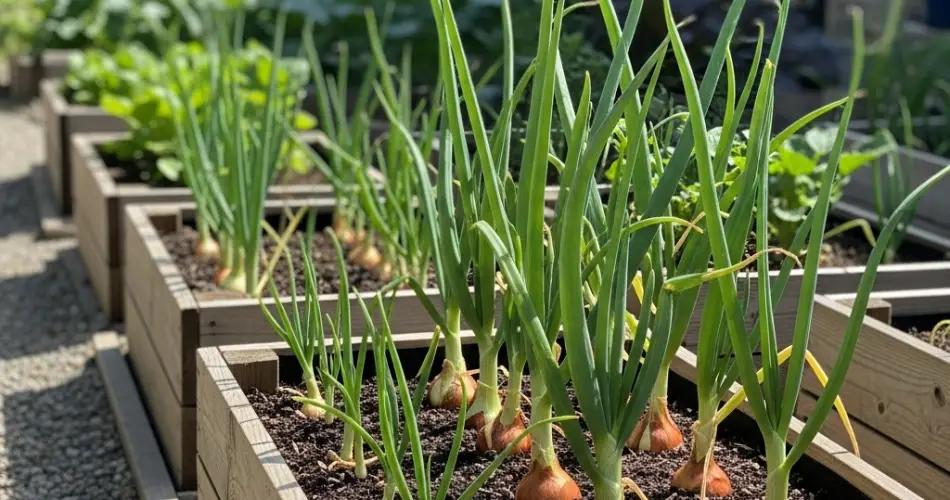
Growing onions in wooden boxes is a practical and attractive solution for gardeners with limited space. Whether you have a small balcony, patio, or backyard, container gardening allows you to cultivate fresh, flavorful onions without the need for large garden beds. With careful planning and proper care, onions can thrive in wooden boxes, providing a continuous supply of green shoots and mature bulbs throughout the growing season. This step-by-step guide will walk you through the process of planting and caring for onions in wooden boxes.
Choosing the Right Wooden Box
The first step in successful onion gardening is selecting an appropriate wooden container. Onions need room for their roots to grow and adequate drainage to prevent waterlogging. A wooden box that is at least 8–12 inches deep and 12–18 inches wide works well for a small group of onions. Ensure that your container has drainage holes at the bottom. Untreated wood, such as cedar or redwood, is ideal because it resists decay naturally. If you are using treated wood, make sure it is labeled as food-safe to avoid contamination.
Preparing the Soil
Onions prefer light, fertile, and well-draining soil. To prepare the wooden box, mix garden soil with organic compost and a small amount of sand or perlite. Compost enriches the soil with nutrients, while sand or perlite improves drainage. Fill the box about an inch below the rim to allow room for watering. Onions grow best in slightly acidic to neutral soil, with a pH between 6.0 and 7.0. Adding a balanced, slow-release fertilizer or well-rotted compost will help provide nutrients for strong root and bulb development.
Selecting Onion Varieties
For container gardening, choose onion varieties suited to small spaces. Green onions, scallions, shallots, and certain bulb onions are ideal choices. Green onions are particularly convenient because you can harvest them gradually without uprooting the entire plant. Bulb onions require slightly more space but can still thrive in larger wooden boxes. Selecting the right variety ensures optimal growth and a plentiful harvest.
Planting Onions
Onions can be grown from seeds, sets, or seedlings. Seeds offer more variety and longer growing seasons, while sets and seedlings provide faster results. If using seeds, start them indoors 8–10 weeks before the last frost, keeping them warm and moist until seedlings develop 2–3 true leaves. Transplant seedlings when outdoor temperatures are consistently above 50°F (10°C).
For sets or seedlings, plant them directly in the wooden box. Space green onions 2–4 inches apart and bulb onions 4–6 inches apart. Plant each set or seedling with the pointed tip upward and cover the roots lightly with soil. Water thoroughly after planting to help the roots settle.
Watering and Fertilizing
Onions require consistent moisture but do not tolerate waterlogging. Water the wooden box whenever the top inch of soil feels dry. Mulching with straw or shredded leaves can help retain soil moisture and reduce weeds. Fertilize every 3–4 weeks with a balanced organic fertilizer or compost tea. Nitrogen promotes leafy growth, while phosphorus and potassium support bulb development.
Sunlight Requirements
Onions are sun-loving plants that need at least 6–8 hours of direct sunlight daily. Place your wooden boxes in a bright location on your balcony, patio, or near a south-facing window. If natural sunlight is insufficient, supplemental grow lights can help maintain vigorous growth and prevent spindly plants.
Supporting and Managing Plants
Container onions generally do not need staking, but it is important to monitor their growth for any signs of pests or disease. Common pests include onion maggots, thrips, and aphids. Regularly inspect the plants and remove damaged leaves. Organic remedies, such as neem oil or insecticidal soap, can effectively manage infestations. Maintaining good air circulation helps prevent fungal diseases, which can occur in humid or wet conditions.
Harvesting Onions
Harvesting depends on the type of onion and intended use. Green onions can be harvested gradually once they reach a usable size. Bulb onions should be left in the soil until the tops yellow and fall over. Carefully lift bulbs using a garden fork or hand tool, then allow them to cure in a cool, dry place before storage. Fresh green onions can be used immediately for cooking or garnishing.
Benefits of Wooden Box Onion Gardening
Growing onions in wooden boxes maximizes limited space, provides control over soil quality, and protects plants from soil-borne diseases. Additionally, wooden boxes bring a rustic aesthetic to balconies, patios, or small gardens while offering easy access to fresh, homegrown onions throughout the year.
By selecting the right container, preparing nutrient-rich soil, providing consistent care, and monitoring for pests, gardeners can enjoy a successful onion harvest even in small spaces. Wooden box gardening combines convenience, charm, and productivity, making it a perfect solution for urban gardening enthusiasts and home cooks alike.


