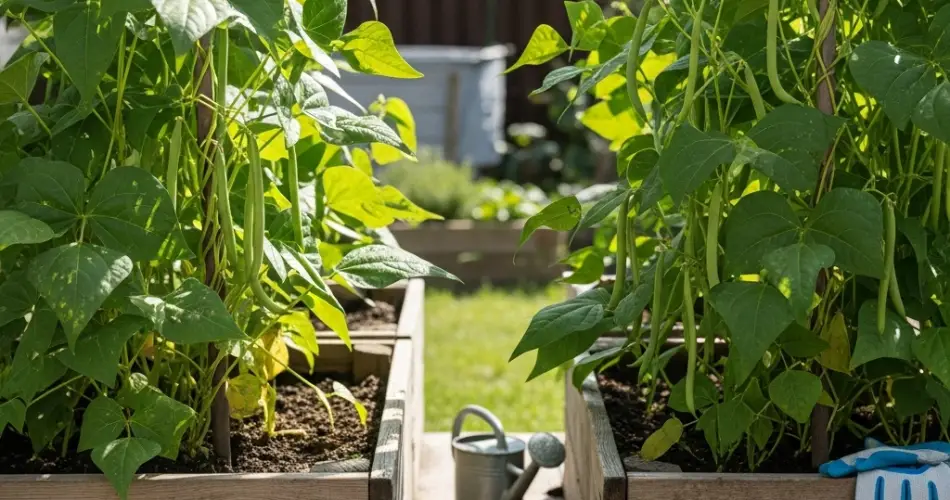
Green beans, also known as string beans or snap beans, are one of the easiest and most rewarding vegetables to grow at home. They mature quickly, require minimal care, and reward gardeners with abundant harvests throughout the growing season. For those with limited space, wooden box gardens provide an excellent way to cultivate green beans. These planters are versatile, eco-friendly, and attractive, making them suitable for patios, balconies, or small backyard gardens. By choosing the right setup and providing consistent care, you can enjoy a continuous supply of crisp, fresh beans straight from your own wooden box garden.
Why Wooden Box Gardens Work for Green Beans
Wooden containers are ideal for green beans because they offer durability and natural insulation. Unlike plastic pots, wood helps regulate soil temperature, keeping it stable during both warm and cool weather. Boxes can also be built to custom sizes, allowing you to grow beans even in tight spaces. Additionally, wooden planters have a rustic charm that enhances any outdoor setting.
Another benefit is soil control. Growing beans in wooden boxes allows you to create the perfect mix for their needs, reducing problems with poor garden soil, weeds, or pests. Plus, containers can be easily repositioned to capture more sunlight or moved to a sheltered spot if heavy rain or strong winds threaten the plants.
Choosing the Right Wooden Box
Green beans can be grown as bush beans or pole beans, and your choice determines the size and type of container needed.
-
Bush beans are compact, usually growing 18–24 inches tall, and do not require support. A wooden box that is 12–15 inches deep and at least 24 inches wide is suitable.
-
Pole beans are climbing plants that need trellises or poles for support and can reach up to 8 feet tall. For these, choose a deeper and wider box, ideally 18 inches deep, with enough space to insert supports.
Whatever style you choose, make sure the box has good drainage holes at the bottom to prevent waterlogging. Untreated cedar or pine wood is the best choice since it resists rot and is safe for edible plants.
Preparing the Soil
Green beans thrive in fertile, well-draining soil. A good container mix should combine garden soil, compost, and organic matter such as peat moss or coconut coir. Adding perlite or coarse sand improves aeration and drainage. Beans do not need excessively rich soil, but they do benefit from a balanced environment. Avoid adding too much nitrogen fertilizer, as this encourages leafy growth at the expense of pods.
For the best results, mix in a moderate amount of organic compost or a slow-release balanced fertilizer before planting.
Planting Green Beans in Wooden Boxes
Green beans grow best when directly sown from seed, as they do not transplant well. After the danger of frost has passed and the soil has warmed, plant seeds about 1 inch deep.
-
For bush beans, sow seeds 3 inches apart in rows within the box.
-
For pole beans, plant seeds 4 inches apart in a circle or row near the trellis or support structure.
Cover the seeds lightly with soil and water gently. Germination usually occurs within 7 to 10 days.
Sunlight and Watering
Green beans are sun-loving vegetables, needing at least 6 to 8 hours of direct sunlight each day. Place your wooden box in a location where it receives maximum sunlight.
Consistent moisture is key to good bean production. Keep the soil evenly moist, but not soggy. Wooden containers may dry out faster than in-ground beds, so check regularly and water whenever the top inch of soil feels dry. Mulching with straw, shredded leaves, or grass clippings helps retain moisture and reduces weeds.
Supporting and Caring for Plants
If growing pole beans, install a trellis, bamboo poles, or strings inside the wooden box before the seeds germinate. This gives young vines something to climb as they grow. Bush beans typically do not need support, though in windy areas, a small stake may help.
Regularly inspect the plants for pests such as aphids, bean beetles, or spider mites. Companion planting with herbs like basil or flowers like marigolds can naturally deter many pests. To promote steady harvests, sow new seeds every two to three weeks during the growing season. This staggered planting ensures a continuous supply of beans.
Fertilization
Green beans are light feeders compared to other vegetables, but they do appreciate occasional feeding. A diluted organic liquid fertilizer, such as compost tea or fish emulsion, every three weeks will help maintain healthy growth and encourage more pod production. Avoid over-fertilizing, especially with nitrogen, as this leads to lush foliage but fewer beans.
Harvesting Green Beans
Bush beans are usually ready for harvest 50–60 days after planting, while pole beans may take a bit longer. Beans should be harvested when the pods are firm, crisp, and about the thickness of a pencil. Harvesting frequently encourages plants to continue producing new pods. Simply snap or cut the pods from the plant to avoid damaging the stems.
Freshly harvested beans can be eaten raw, steamed, sautéed, or added to soups and stir-fries. If you have a large harvest, they can also be blanched and frozen for long-term storage.
Advantages of Wooden Box Bean Gardening
Growing green beans in wooden containers has several advantages:
-
Efficient use of limited space.
-
Better soil quality and fewer weed problems.
-
Mobility to adjust for sunlight or weather.
-
Reduced pest and disease risks compared to ground planting.
-
Aesthetic value, as wooden boxes enhance outdoor spaces.
Final Thoughts
Wooden box gardening makes it possible to enjoy fresh, crisp green beans even in small spaces. With the right soil mix, adequate sunlight, and consistent watering, these fast-growing vegetables will reward you with plentiful harvests all season long. Whether you prefer compact bush beans or tall pole beans, container gardening with wooden boxes offers a practical, attractive, and productive way to grow your own green beans at home.


