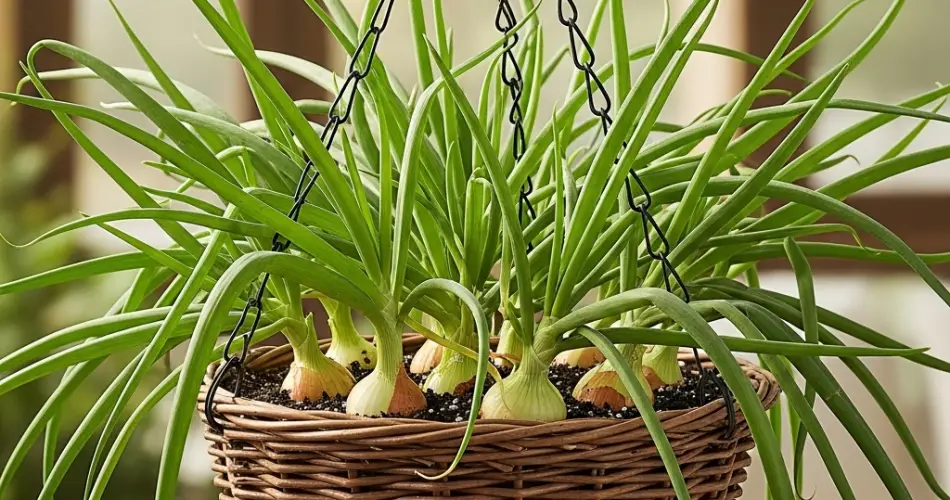
Onions are a versatile and essential vegetable in kitchens worldwide, valued for their flavor, aroma, and nutritional benefits. Growing onions at home ensures a steady supply of fresh, high-quality bulbs. For gardeners with limited space, basket gardening provides an efficient, attractive, and convenient solution. Hanging or tabletop baskets offer excellent drainage, portability, and soil control, making them ideal for patios, balconies, or small garden plots. This step-by-step guide will help you cultivate healthy onions in baskets, from planting to harvest.
Why Grow Onions in Baskets
Basket gardening offers several advantages for growing onions:
-
Space-Saving: Ideal for small gardens, balconies, and patios where traditional beds may not fit.
-
Improved Drainage: Baskets allow water to drain easily, reducing the risk of root rot.
-
Portability: Baskets can be moved to follow sunlight or protected from adverse weather.
-
Ease of Access: Gardening tasks such as watering, fertilizing, and harvesting are simplified, and baskets add a decorative touch to outdoor spaces.
Choosing the Right Onion Varieties
Certain onion varieties are better suited to basket or container gardening due to their size and growth habits. Recommended varieties include:
-
Small or Pearl Onions: Compact and quick-growing, ideal for basket cultivation.
-
Red Onion Varieties: Provide flavor and visual appeal, remaining manageable in containers.
-
White Onion Varieties: Mild in taste and suitable for small-space growing.
Selecting compact varieties ensures that plants do not overcrowd the basket, promoting healthy bulb development.
Selecting and Preparing Your Basket
Choose a sturdy basket with a diameter of 10–14 inches and a depth of 8–10 inches. Plastic, resin, or woven baskets lined with coconut coir, burlap, or landscape fabric are ideal. Proper drainage is critical; baskets must have holes or slats at the bottom to prevent waterlogging while keeping the soil in place. Good drainage supports healthy roots and bulb formation.
Preparing the Soil
Onions thrive in nutrient-rich, well-draining soil. For baskets, prepare a mix of:
-
High-quality potting soil
-
Compost or well-rotted organic matter for nutrients
-
Perlite or coarse sand to improve drainage and aeration
Avoid heavy garden soil, which can compact in baskets and restrict root growth. Onions prefer slightly acidic to neutral soil, with a pH between 6.0 and 7.0. Adding a slow-release fertilizer at planting provides essential nutrients for vigorous growth.
Step-by-Step Planting
-
Select Your Onion Sets or Seedlings: Choose healthy bulbs or transplants.
-
Fill the Basket: Add the prepared soil, leaving 1–2 inches from the top.
-
Plant the Onions: Insert sets or seedlings 1–2 inches deep, spacing them 3–4 inches apart.
-
Water Gently: Moist soil helps settle bulbs and supports root establishment.
Proper spacing ensures airflow, reducing the risk of disease, and allows each bulb to develop fully. For continuous harvests, consider planting in multiple baskets or staggering planting times.
Sunlight and Temperature
Onions require full sun for optimal growth, ideally 6–8 hours of direct sunlight daily. Position baskets in the sunniest area available. Onions prefer cooler temperatures during early growth, approximately 55–75°F (13–24°C), and can tolerate warmer conditions as bulbs mature. Sunlight promotes strong leaf growth, which in turn supports healthy bulbs.
Watering and Maintenance
Consistent soil moisture is essential, especially during bulb formation. Water baskets regularly, ensuring the soil remains evenly moist but not waterlogged. Mulching with straw or bark chips can help retain moisture, suppress weeds, and regulate soil temperature.
Fertilize every 2–3 weeks with a balanced, water-soluble fertilizer to encourage healthy leaf growth and robust bulb development. Avoid excessive nitrogen late in the season, which can reduce bulb storage life.
Harvesting Onions
Onions are ready to harvest when the leaves begin to yellow and fall over. Gently lift bulbs from the soil, taking care not to damage them. After harvesting, cure bulbs in a dry, shaded area for 2–3 weeks to enhance storage life and flavor. For smaller varieties, you can selectively harvest bulbs as needed while leaving others to mature.
Benefits of Onion Basket Gardening
-
Efficient use of limited space
-
Improved soil quality and drainage control
-
Portability to optimize sunlight or protect from adverse conditions
-
Continuous supply of fresh onions
-
Decorative and functional addition to patios, balconies, or small garden areas
Final Thoughts
Basket gardening makes growing onions accessible, manageable, and rewarding for home gardeners. By choosing compact varieties, using nutrient-rich, well-draining soil, and maintaining consistent care, you can enjoy a steady supply of fresh, flavorful bulbs. Hanging or tabletop baskets provide mobility, aesthetic appeal, and ease of maintenance, making them an ideal solution for small-space gardening. With proper planting, watering, and harvesting techniques, onions grown in baskets can provide convenience, nutrition, and satisfaction throughout the growing season.


