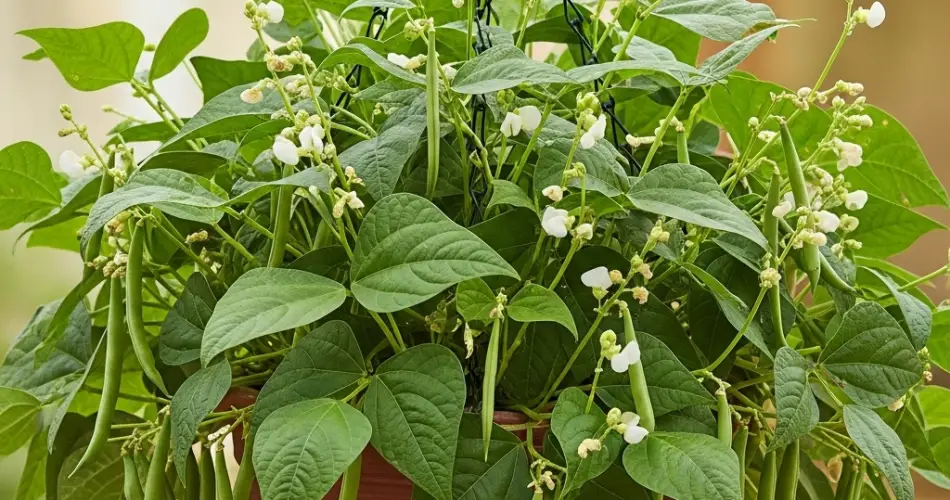
Green beans are a popular, nutritious, and versatile vegetable that can be used in a wide range of dishes, from salads to stir-fries. Traditionally grown in garden beds, green beans also thrive in container gardening setups, making them an ideal choice for small-space gardeners. Hanging baskets, in particular, offer a practical and visually appealing solution, allowing you to grow fresh green beans even on balconies, patios, or compact yards.
Growing green beans in hanging baskets provides excellent drainage, promotes healthy root development, and adds vertical appeal to your garden. With proper care, these baskets can yield abundant, tender pods throughout the growing season.
Why Hanging Baskets Work for Green Beans
Green beans are well-suited for container and hanging basket gardening due to their climbing nature and moderate root depth. The main advantages of using hanging baskets include:
-
Space efficiency: Ideal for apartments or small outdoor areas.
-
Air circulation: Elevated plants benefit from improved airflow, reducing the risk of fungal diseases.
-
Pest reduction: Hanging plants are less accessible to many ground-dwelling pests such as slugs and snails.
-
Aesthetic appeal: Trailing foliage and dangling pods create an attractive vertical display.
These benefits make hanging baskets a practical and decorative choice for green bean cultivation.
Choosing the Right Hanging Basket
Selecting an appropriate basket is key for successful growth:
-
Size: A basket at least 12 inches deep and 12–14 inches wide is ideal to support several plants and provide sufficient soil volume.
-
Material: Wire baskets lined with coconut coir, moss, or burlap work best. Plastic baskets with proper drainage holes can also be used.
-
Support: Ensure hooks, chains, or stands are sturdy enough to hold the weight of soil, water, and growing plants.
-
Drainage: Adequate drainage holes prevent waterlogging and root rot.
A well-chosen basket ensures a stable and healthy environment for green beans to thrive.
Preparing Soil for Green Beans
Healthy, well-draining soil is essential for productive plants:
-
Lining: Use coconut coir or burlap to keep soil contained while allowing water to drain.
-
Drainage layer: A thin layer of gravel or small stones at the bottom of the basket improves drainage.
-
Soil mix: Use a lightweight, fertile potting mix enriched with compost. Adding perlite or vermiculite enhances aeration and prevents compaction.
Well-prepared soil supports strong root systems, vigorous growth, and a bountiful harvest.
Planting Green Beans
Green beans can be grown from seeds or seedlings.
-
Bush varieties: Plant 3–5 seeds per basket, spacing them 2–3 inches apart.
-
Pole varieties: Provide a small trellis or support in the basket to allow vines to climb. Plant 2–3 seeds per basket.
-
Seed depth: Sow seeds 1 inch deep and keep the soil consistently moist until germination, which usually occurs in 7–14 days.
For a continuous supply, consider staggering plantings every 2–3 weeks or using multiple baskets.
Sunlight and Temperature
Green beans require plenty of sunlight and moderate temperatures for optimal growth:
-
Sunlight: Provide at least 6 hours of direct sunlight daily.
-
Temperature: Ideal growing temperatures are between 65–85°F (18–29°C).
-
Placement: Hang baskets in a location that receives full sun while avoiding excessively windy areas.
Adequate sunlight and temperature support vigorous growth and high-quality pods.
Watering and Care
Hanging baskets dry out more quickly than ground soil, so careful watering is essential:
-
Frequency: Check soil daily and water when the top inch is dry.
-
Depth: Water thoroughly to reach all roots.
-
Mulching: A thin layer of straw or shredded leaves helps retain moisture and regulate soil temperature.
Consistent watering prevents stress, flower drop, and poor pod development.
Fertilizing Green Beans
Green beans benefit from balanced nutrition during growth:
-
Fertilizer: Apply a diluted, balanced liquid fertilizer every 2–3 weeks.
-
Organic options: Compost tea or fish emulsion provides natural nutrients and supports healthy growth.
Proper fertilization encourages strong stems, lush foliage, and abundant pods.
Harvesting Green Beans
Green beans are typically ready for harvest 50–60 days after planting, depending on the variety.
-
Pick regularly: Harvest pods when they are firm, crisp, and 4–6 inches long for the best flavor.
-
Method: Use your hands or scissors to snip pods from the plant, taking care not to damage the stems.
-
Continuous harvest: Frequent picking encourages new flowers and pods, extending the production period.
Timely harvesting ensures tender, flavorful beans and maintains plant productivity.
Common Challenges
-
Pests: Aphids, spider mites, and caterpillars may appear; natural sprays like neem oil can help manage infestations.
-
Disease: Good air circulation and well-drained soil help prevent fungal issues such as powdery mildew.
-
Flower drop: Often caused by inconsistent watering or extreme temperatures.
Monitoring plants and adjusting care as needed keeps green beans healthy and productive.
Final Thoughts
Hanging baskets provide a simple and effective way to grow fresh green beans in small spaces, combining beauty, convenience, and functionality. By selecting the right basket, preparing fertile soil, maintaining consistent watering and feeding, and harvesting regularly, you can enjoy crisp, flavorful beans directly from your balcony or patio.
This method maximizes vertical space while delivering an attractive and productive garden feature. With attention to sunlight, temperature, and care, hanging basket-grown green beans can provide a continuous supply of fresh, homegrown vegetables throughout the growing season.


