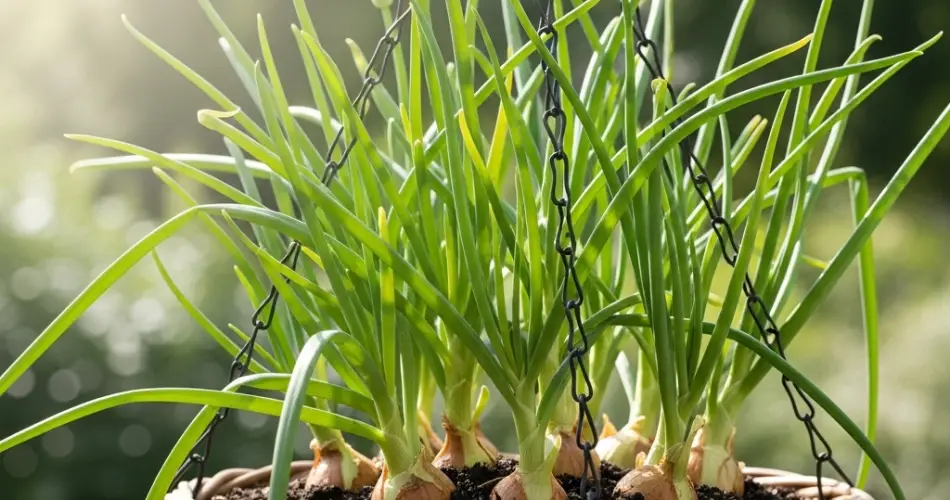
Onions are a staple in kitchens worldwide, adding flavor and nutrition to countless dishes. Growing your own onions not only guarantees a fresh supply but also provides the satisfaction of harvesting your own produce. While traditionally cultivated in garden beds, onions are well-suited to container gardening, and woven baskets in particular offer an excellent option for small spaces, patios, or balconies.
Woven baskets provide an ideal environment for onions because they allow for good drainage, adequate aeration, and easy access, making them perfect for both beginner and experienced gardeners. This method also allows you to maximize vertical and horizontal space while keeping plants healthy and productive.
Why Use Woven Baskets for Onions
Woven baskets offer several advantages for onion cultivation:
-
Good drainage: Onions are susceptible to rot if soil stays soggy. Baskets provide excellent drainage.
-
Air circulation: The breathable sides of woven baskets improve soil aeration, supporting strong root and bulb development.
-
Space efficiency: Ideal for small yards, patios, or balconies.
-
Aesthetic appeal: Natural woven textures add charm to any garden space.
These benefits make woven baskets a practical and attractive solution for growing onions, even in areas with limited garden space.
Choosing the Right Basket
Selecting the right basket is crucial for successful onion growth:
-
Size: Choose a basket at least 10–12 inches deep and 12–14 inches wide to accommodate roots and allow bulbs to grow properly.
-
Material: Natural woven baskets lined with coconut coir or burlap work best, though plastic baskets with adequate drainage can also be used.
-
Support: If hanging, ensure the hook and chain are strong enough to hold wet soil and growing plants.
-
Drainage: Proper drainage is essential to prevent waterlogging, which can damage bulbs.
A well-chosen basket provides a stable, breathable environment for onions to thrive.
Preparing the Basket and Soil
Proper soil preparation ensures healthy plants and productive bulbs:
-
Lining: Use a liner such as coconut coir or burlap to contain soil while allowing water to drain.
-
Drainage layer: A thin layer of gravel or small stones at the bottom enhances drainage.
-
Soil mix: Use a lightweight, nutrient-rich potting mix combined with compost for fertility. Adding perlite or vermiculite improves aeration and prevents compaction.
Healthy, well-draining soil supports strong roots and robust bulb formation.
Planting Onions
Onions can be grown from seeds, sets, or transplants.
-
Seeds: Sow seeds ¼–½ inch deep, spacing them 2 inches apart. Thin seedlings as they grow to provide room for bulb development.
-
Onion sets: Plant small bulbs 1–2 inches deep with the pointed end facing up, spacing them 3–4 inches apart.
-
Transplants: Plant young seedlings at the same depth as in their previous container.
For continuous harvesting, consider planting in multiple baskets or staggering sowing times.
Light and Temperature
Onions require adequate sunlight and moderate temperatures for optimal growth:
-
Sunlight: Provide at least 6 hours of direct sunlight daily.
-
Temperature: Ideal growth occurs between 55–75°F (13–24°C).
-
Placement: Baskets on patios or balconies should receive full sun while avoiding overly windy or shaded locations.
Proper light and temperature encourage strong foliage and well-formed bulbs.
Watering and Care
Onions need consistent moisture, but overwatering can lead to rot.
-
Watering frequency: Check the soil daily and water when the top inch feels dry.
-
Deep watering: Ensure water reaches the entire root zone to promote healthy growth.
-
Mulching: Apply a thin layer of straw or shredded leaves to retain soil moisture and regulate temperature.
Consistent care helps prevent stress, encourages uniform bulb development, and supports a longer harvest period.
Fertilizing Onions
Onions are heavy feeders and benefit from regular fertilization:
-
Balanced liquid fertilizer: Apply every 2–3 weeks during the growing season.
-
Organic alternatives: Compost tea or diluted fish emulsion provides natural nutrition.
Fertilizing supports strong foliage, which is essential for producing large, healthy bulbs.
Harvesting Onions
Onions are ready to harvest when the tops begin to yellow and fall over:
-
Timing: Typically 90–120 days after planting, depending on the variety.
-
Method: Gently lift bulbs from the soil using a hand fork, taking care not to damage them.
-
Curing: Hang harvested onions in a dry, airy location for 2–3 weeks to harden the skins before storage.
Proper harvesting and curing maximize flavor and shelf life.
Common Challenges
-
Overwatering: Can lead to bulb rot; adjust watering if soil remains wet.
-
Pests: Onion flies, thrips, and aphids may appear; natural sprays or neem oil can help control them.
-
Nutrient deficiencies: Yellowing leaves may indicate a lack of nitrogen; fertilize as needed.
Monitoring plants and making timely adjustments ensures a successful harvest.
Final Thoughts
Woven baskets make it easy to grow onions in small spaces while combining practicality, beauty, and efficiency. By selecting the right basket, preparing nutrient-rich soil, providing consistent care, and harvesting properly, you can enjoy fresh, flavorful onions right at home.
This method maximizes vertical and horizontal space, allowing even urban gardeners to cultivate a staple kitchen ingredient efficiently. With attention to sunlight, watering, and feeding, basket-grown onions can provide a steady supply of fresh bulbs for months.


