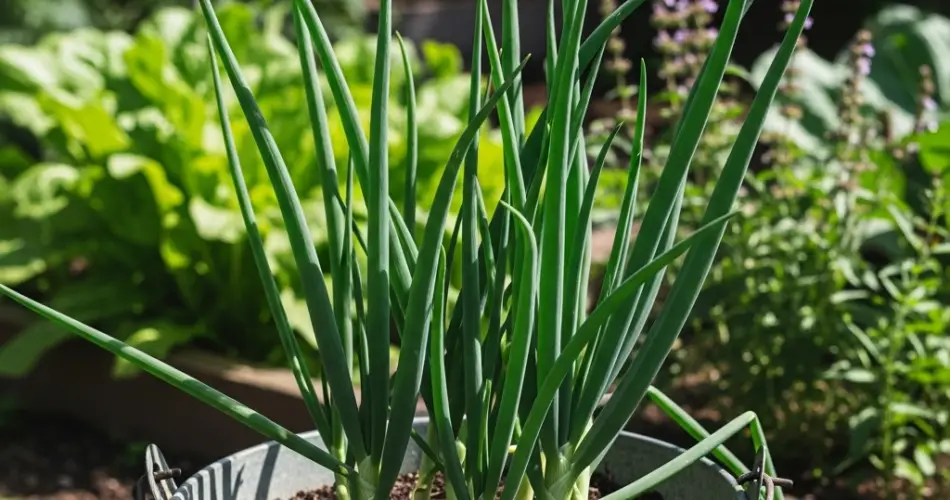
Scallions, also known as green onions or spring onions, are one of the easiest and most rewarding crops you can grow at home. Their mild, onion-like flavor enhances countless dishes, from soups and stir-fries to salads and garnishes. Best of all, they don’t require much space, making them perfect for small-scale gardening. With just a bucket and a bit of care, you can enjoy a continuous supply of fresh scallions right from your balcony, patio, or windowsill.
This guide will walk you through everything you need to know—from selecting containers to harvesting your scallions.
Why Grow Scallions in Buckets?
Scallions are compact, fast-growing, and highly adaptable, which makes them ideal for bucket gardening. Here are a few reasons why they thrive in containers:
-
Space-saving: A single bucket can hold many plants, allowing you to maximize yields in small areas.
-
Low maintenance: Scallions require minimal care compared to other vegetables.
-
Quick harvest: They can be harvested as early as 6–8 weeks after planting.
-
Continuous growth: With proper harvesting, scallions regrow, providing multiple cuttings.
-
Pest management: Containers reduce exposure to soil-borne pests and make it easier to control growing conditions.
Whether you live in a city apartment or a suburban home, bucket gardening ensures fresh scallions are always within reach.
Choosing the Right Container
A standard 5-gallon bucket works perfectly for growing scallions. It provides enough depth and width to support multiple plants. Here are some key tips:
-
Drainage: Drill 5–6 holes in the bottom of the bucket to prevent waterlogging.
-
Size: Buckets at least 10–12 inches deep and wide are ideal.
-
Placement: Position your bucket in an area that receives 5–6 hours of sunlight daily.
Lightweight plastic buckets are easy to move, but if your growing area is windy, heavier containers may provide more stability.
Preparing the Soil
Scallions grow best in light, fertile, and well-draining soil. A high-quality potting mix enriched with compost is ideal. You can prepare your own blend:
-
40% potting soil
-
40% compost
-
20% perlite or coarse sand for aeration
Adding a handful of slow-release organic fertilizer at planting time will provide steady nutrients throughout the growing season.
Planting Scallions in Buckets
You can grow scallions from seeds, sets (small immature bulbs), or kitchen scraps.
From Seeds:
-
Fill the bucket with your prepared soil mix.
-
Sow seeds about ¼ inch deep and 1 inch apart in rows.
-
Lightly cover with soil and water gently.
-
Thin seedlings to 2 inches apart once they sprout to give them room to grow.
From Sets or Bulbs:
-
Place bulbs 2 inches apart, root side down.
-
Press gently into the soil and cover lightly.
-
Water well after planting.
From Kitchen Scraps:
-
Save the white root ends from store-bought scallions.
-
Place them in water until new shoots appear.
-
Transplant them into the bucket, spacing 2 inches apart.
All three methods work well, but starting with sets or scraps usually gives faster results.
Caring for Your Scallions
Watering
Keep the soil consistently moist but not waterlogged. Scallions have shallow roots, so they dry out quickly in containers. Water lightly every 1–2 days, depending on the weather.
Fertilizing
Apply a diluted liquid fertilizer or compost tea every 2–3 weeks to encourage steady growth. Avoid over-fertilizing with nitrogen, which can result in excessive leaves with weak stems.
Sunlight
Scallions prefer full sun but tolerate partial shade. In hot climates, giving them afternoon shade prevents wilting.
Mulching
Adding a thin layer of mulch helps retain moisture, suppress weeds, and keep soil temperature stable.
Harvesting Scallions
Scallions are ready to harvest when they reach 6–8 inches tall. There are two methods:
-
Cut-and-come-again: Trim the green tops 1 inch above the soil line. The plant will regrow for multiple harvests.
-
Whole plant harvest: Gently pull up the entire plant by the base.
If you stagger planting every 2–3 weeks, you can enjoy a continuous supply of fresh scallions throughout the season.
Common Problems and Solutions
-
Yellowing leaves: Often a sign of overwatering or poor drainage. Improve soil aeration and reduce watering.
-
Slow growth: May indicate nutrient deficiency. Add compost or a balanced fertilizer.
-
Pests like thrips or aphids: Spray with a neem oil solution or rinse leaves with water.
-
Bolting (flowering): Happens in hot weather. Harvest promptly to prevent plants from becoming tough and bitter.
Final Thoughts
Growing scallions in buckets is one of the easiest ways to enjoy fresh, homegrown vegetables in even the smallest spaces. With simple materials, minimal effort, and quick results, scallions make an excellent first crop for beginner gardeners. Their versatility in the kitchen and ability to regrow after cutting ensure you always have a supply of this flavorful herb-like vegetable on hand.
Whether you’re planting from seeds, sets, or scraps, bucket-grown scallions prove that small-scale gardening can yield big rewards. Try it once, and you’ll likely keep a bucket or two of scallions growing all year round.


