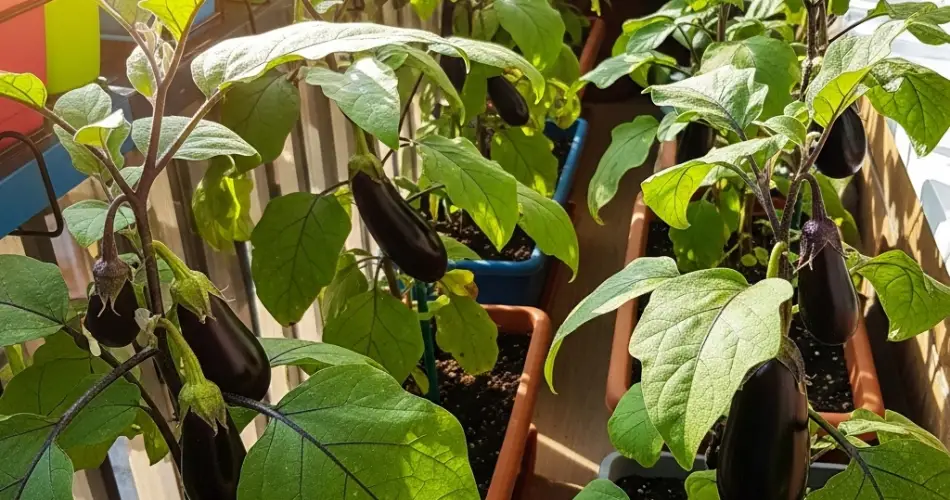
Eggplants (also known as aubergines) are one of the most rewarding vegetables you can grow in containers. Their glossy purple fruits, delicate blossoms, and compact growth habit make them ideal for patios, balconies, or sunny porches. Even without a backyard, you can successfully grow eggplants with the right container setup, soil, and care routine.
This guide walks you through the entire process—step by step—from choosing the right container to harvesting ripe, flavorful eggplants from your own small-space garden.
Why Grow Eggplants in Containers?
Container gardening offers flexibility, space efficiency, and control over growing conditions. For eggplants in particular, containers provide:
-
Mobility: Move your plants to follow sunlight or shelter them from wind and heavy rain.
-
Improved drainage: Proper container setup helps avoid overwatering and root rot.
-
Pest control: Elevated pots are less susceptible to certain ground-dwelling pests.
-
Space-saving: Perfect for balconies, decks, or even wide windowsills.
-
Decorative value: Eggplants have beautiful purple blooms and attractive foliage, adding visual appeal.
Step 1: Choose the Right Variety
While many eggplant varieties can grow in pots, smaller, compact cultivars perform best in containers. Look for these popular options:
-
‘Patio Baby’ – Specifically bred for small spaces; produces clusters of mini fruits.
-
‘Little Finger’ – Slim, tender fruits on a small, bushy plant.
-
‘Fairy Tale’ – Delicate, striped purple fruits; highly productive.
-
‘Black Beauty’ – Traditional large-fruited variety; needs a bigger container.
Choose based on the size of your space and your culinary preferences.
Step 2: Select a Suitable Container
Eggplants require ample room to develop a strong root system and produce abundant fruit. Use containers that are:
-
At least 12–14 inches deep
-
At least 12–18 inches wide
-
5 gallons or more in volume
Choose materials like plastic, clay, ceramic, or fabric grow bags—whatever is available and suits your style—as long as the container has drainage holes.
Step 3: Prepare the Soil
Eggplants grow best in loose, nutrient-rich, and well-draining soil. Avoid compacted or heavy soils that retain too much moisture.
Recommended soil mix:
-
2 parts high-quality potting mix
-
1 part compost or well-rotted manure
-
1 part perlite or coco coir for improved drainage
Before planting, moisten the mix lightly to help it settle evenly in the container.
Step 4: Planting
You can grow eggplants from seeds or young nursery seedlings. If starting from seed, sow them indoors 6–8 weeks before the last frost date.
For transplanting:
-
Fill the container with the prepared soil mix.
-
Dig a hole deep enough to cover the root ball of your seedling.
-
Place the seedling in the hole, gently firming the soil around it.
-
Water thoroughly to help the plant settle.
Plant one eggplant per container to avoid crowding. Add a small stake or cage early to support the plant as it grows.
Step 5: Sunlight and Positioning
Eggplants need full sun to thrive. Place the container where it receives at least 6 to 8 hours of direct sunlight per day. South-facing balconies or patios are ideal.
In cooler climates, containers can be placed near walls or reflective surfaces to absorb and retain heat. In hotter regions, some afternoon shade can prevent leaf scorch.
Step 6: Watering and Fertilizing
Eggplants require consistent moisture, especially when they begin flowering and fruiting. Water when the top inch of soil feels dry, ensuring water reaches the root zone.
Tips:
-
Water early in the morning to avoid fungal issues.
-
Avoid overhead watering; focus on the base of the plant.
Fertilize every 2–3 weeks with a balanced liquid organic fertilizer or compost tea. Once flowers appear, switch to a fertilizer higher in potassium to encourage fruit development.
Step 7: Pruning and Maintenance
-
Remove any yellowing or damaged leaves to improve airflow.
-
Prune small suckers (side shoots) to encourage fruiting.
-
Support growing stems with stakes or cages to prevent bending.
Regular maintenance ensures a healthier plant and better yields.
Step 8: Pest and Disease Management
Keep an eye out for common pests such as:
-
Aphids
-
Whiteflies
-
Spider mites
-
Flea beetles
To prevent problems:
-
Inspect plants regularly, especially the undersides of leaves.
-
Use neem oil or insecticidal soap if pests appear.
-
Keep containers clean and remove fallen leaves or debris.
Proper spacing and airflow will also help reduce disease risks like powdery mildew or root rot.
Step 9: Harvesting Eggplants
Eggplants are ready to harvest when:
-
They have developed a glossy sheen
-
The skin is firm, and the fruit reaches its expected size
-
The fruit slightly resists pressure but isn’t hard
Cut the fruit off with pruning shears, leaving a short stem attached. Avoid pulling or twisting the fruit off, as this can damage the plant.
Regular harvesting encourages continued fruit production throughout the season.
Step 10: End-of-Season Care
Once your eggplant finishes producing or if the weather turns cold, you can either:
-
Pull up the plant and refresh the soil for a new crop
-
Bring the container indoors to extend the growing season in warm, sunny conditions
Clean your container thoroughly before reusing it to avoid transferring pests or diseases to new plants.
Final Thoughts
Container gardening with eggplants is not only possible—it’s also highly rewarding. With proper planning and regular care, you can enjoy a bountiful harvest of fresh, delicious eggplants from your patio, balcony, or small outdoor space. The process is beginner-friendly, and the visual appeal of the plants adds beauty to any container garden.
Whether you’re a seasoned gardener or just getting started, growing eggplants in pots is a great way to make the most of your space while enjoying homegrown flavor all season long.


