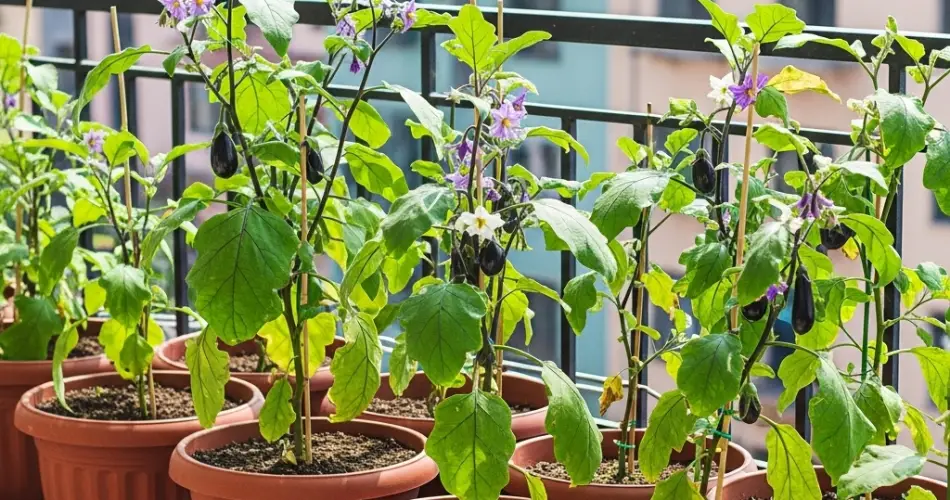
Eggplants, with their glossy skin and rich flavor, are a staple in cuisines around the world. Whether grilled, roasted, or stewed, this versatile vegetable can elevate any dish. If you think growing eggplants requires a sprawling garden, think again—eggplants are perfectly suited for container gardening. In fact, with the right care, they can thrive on balconies, patios, or even sunny windowsills.
Urban gardeners will find that eggplants not only grow well in pots but also provide a generous harvest with minimal space. Their striking purple fruits and attractive foliage make them a beautiful addition to any container garden, adding both visual appeal and practical yield.
Why Grow Eggplant in Containers?
Container gardening has many advantages, especially for those in urban settings. Growing eggplants in pots allows you to:
-
Save space in small areas such as balconies and porches
-
Control soil quality to avoid pests and diseases common in garden beds
-
Move plants easily to follow the sun or shelter them from harsh weather
-
Harvest fresh produce right outside your door
Eggplants are sun-loving plants that respond well to the controlled conditions that containers provide, especially when given enough warmth, light, and nutrients.
Choosing the Right Variety
Not all eggplant varieties are created equal when it comes to container growing. Compact and dwarf varieties tend to perform better in pots. Some top choices include:
-
Fairy Tale: A small, striped eggplant ideal for containers
-
Little Fingers: Produces clusters of small, slender fruit
-
Patio Baby: A mini variety bred specifically for containers
-
Black Beauty: A classic variety that works well in larger pots
Choose a variety that suits your culinary needs and available space. Smaller varieties mature faster and are often easier to manage in limited environments.
What You’ll Need
Before planting, gather the following supplies:
-
A pot at least 12–14 inches deep and wide (larger is better for bigger varieties)
-
High-quality potting mix with good drainage
-
Compost or slow-release organic fertilizer
-
Eggplant seeds or starter seedlings
-
A sunny location (6–8 hours of direct sunlight per day)
-
Watering can or hose with a gentle spray nozzle
Planting Eggplants in Pots
-
Select the Right Container: Eggplants have deep root systems and need room to grow. Choose a container with drainage holes and enough volume to hold soil without becoming waterlogged.
-
Prepare the Soil: Use a light, rich potting mix. Mix in compost or a slow-release fertilizer before planting to provide initial nutrients.
-
Planting Seeds or Seedlings:
-
Seeds: Start indoors 6–8 weeks before the last frost, then transplant when seedlings are 4–6 inches tall.
-
Seedlings: Plant directly into the pot, burying them slightly deeper than they were in their nursery pots.
-
-
Spacing: If using a large container, you can grow two smaller eggplant varieties together. Otherwise, stick to one plant per pot to allow for proper root and foliage growth.
Care and Maintenance
Eggplants require consistent care to produce high-quality fruit. Follow these tips for best results:
-
Sunlight: Place your pot in the sunniest spot available. Eggplants thrive in warm, sunny conditions and need at least 6–8 hours of sunlight per day.
-
Watering: Keep the soil evenly moist. Water deeply whenever the top inch of soil feels dry. Avoid wetting the foliage to reduce disease risk.
-
Feeding: Fertilize every 2–3 weeks with a balanced liquid fertilizer or compost tea once fruiting begins.
-
Staking: As eggplants grow, the stems may need support to handle the weight of the fruit. Use stakes or cages to keep plants upright.
-
Pruning: Remove any yellow or damaged leaves to promote airflow and reduce the risk of pests and disease.
Common Issues and Solutions
-
Aphids and flea beetles: Use insecticidal soap or neem oil to control infestations.
-
Blossom drop: This can result from temperature extremes or inconsistent watering. Try to maintain even moisture and move the pot if temperatures are too hot or cold.
-
Poor fruit development: Ensure the plant gets enough sunlight and nutrients. Hand-pollination can help increase fruit set, especially in wind-sheltered balconies.
Harvesting Eggplants
Eggplants are typically ready to harvest 60–80 days after planting, depending on the variety. Harvest when the fruits are glossy, firm, and of appropriate size—before the skin becomes dull and seeds harden.
To harvest, cut the fruit from the plant using scissors or a sharp knife, leaving a short stem attached. Frequent harvesting encourages the plant to produce more fruit.
Tips for Successful Container Eggplant Gardening
-
Rotate your pots every few days for even sunlight exposure.
-
Mulch the top of the soil with straw or bark to retain moisture.
-
Monitor soil moisture closely during hot weather. Containers dry out faster than garden beds.
-
Rejuvenate soil between seasons by mixing in fresh compost before replanting.
Final Thoughts
Eggplants are an excellent crop for container gardening, especially for city dwellers looking to grow their own food in limited space. With their striking appearance, productive yield, and culinary versatility, eggplants make a bold and practical addition to any balcony garden. By choosing the right variety, providing consistent care, and harvesting regularly, you can enjoy a flavorful and satisfying harvest—no backyard required.


