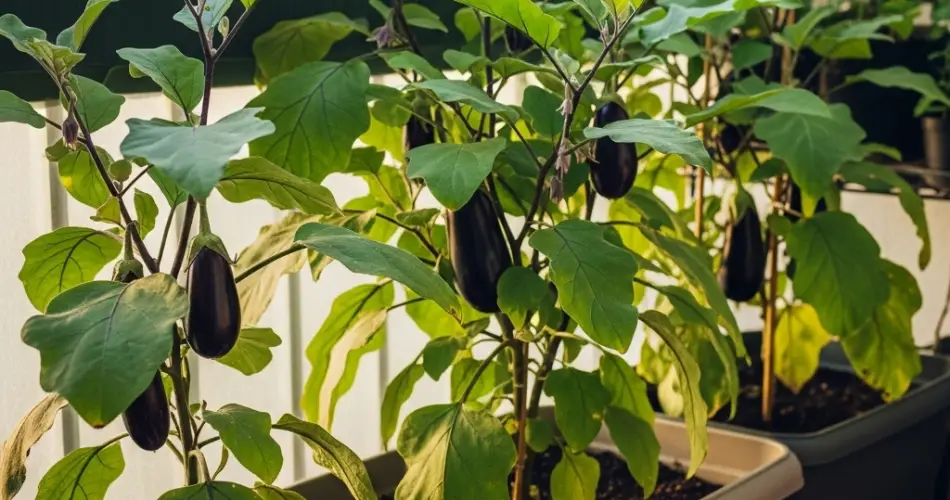
Eggplants, also known as aubergines, are warm-season vegetables that thrive in containers with the right care. Their glossy, deep-purple fruits are not only delicious in a variety of dishes but also visually appealing on your patio, balcony, or deck. Whether you’re an urban gardener or simply working with limited space, growing eggplants in containers is a practical and rewarding way to enjoy homegrown produce.
This guide will walk you through every step of growing eggplants in containers—from choosing the right pot to harvesting fresh fruit—so you can enjoy a healthy, productive plant even in a small area.
Why Grow Eggplants in Containers?
Growing eggplants in pots comes with several benefits:
-
Space-saving: Ideal for patios, balconies, rooftops, or compact backyards.
-
Mobility: Containers can be moved to follow the sun or avoid bad weather.
-
Pest control: Easier to monitor and protect against common pests and soil-borne diseases.
-
Soil control: Use high-quality soil tailored to the plant’s needs.
-
Aesthetic appeal: Eggplants produce beautiful fruits and flowers, adding charm to any space.
Best Eggplant Varieties for Containers
While many eggplant varieties can grow in pots, some compact or dwarf types are especially well-suited to containers:
-
‘Little Finger’: Small fruits, fast-growing, and ideal for small pots.
-
‘Patio Baby’: A compact variety bred specifically for container gardening.
-
‘Fairy Tale’: Produces small, striped fruits on a short plant.
-
‘Black Beauty’: Traditional large-fruited variety that grows well in larger containers.
Choose a variety based on the space you have and the type of fruit you prefer.
Container Size and Setup
Eggplants need space for roots to spread and for adequate drainage. Select a container that is:
-
At least 5 gallons in volume
-
12–14 inches deep and wide
-
Made of plastic, clay, ceramic, or fabric grow bags
-
Equipped with drainage holes
If planting multiple eggplants, give each plant its own container for the best results. Add a small stake or tomato cage early on to support the plant as it grows.
Soil and Potting Mix
Eggplants prefer rich, well-draining soil. Use a high-quality potting mix with added compost or organic matter.
Ideal potting mix blend:
-
2 parts potting soil
-
1 part compost or aged manure
-
1 part coco coir or perlite for drainage
Ensure the soil is loose and fertile. Avoid using heavy garden soil, which may retain too much water and compact over time.
Planting and Spacing
If starting from seeds, sow indoors 6–8 weeks before the last expected frost. Once seedlings are 6–8 inches tall and the outdoor temperature stays consistently above 60°F (15°C), transplant them into containers.
Alternatively, you can purchase seedlings from a nursery.
Plant one seedling per container. Gently remove it from its seed tray or temporary pot and place it in the center of the prepared container, covering the root ball with soil and firming it gently.
Water thoroughly after planting.
Sunlight and Temperature
Eggplants are sun-loving, heat-tolerant plants. For best results, place the container in a location that receives at least 6–8 hours of direct sunlight daily.
They grow best in temperatures between 70°F and 85°F (21°C to 29°C). In cooler climates, consider using black containers to help retain heat or moving pots indoors during chilly nights.
Watering and Feeding
Consistent moisture is key. Water the soil when the top inch feels dry. Avoid letting the soil completely dry out or become soggy. Container soil can dry out quickly, especially in hot weather, so check daily.
Feeding schedule:
-
Mix organic slow-release fertilizer into the soil at planting.
-
Once flowering begins, feed every 2–3 weeks with liquid fertilizer high in potassium (like tomato feed) or compost tea.
Keep foliage dry while watering to prevent fungal diseases.
Pruning and Maintenance
Prune off the small suckers (side shoots) that grow between the main stem and branches to focus the plant’s energy on producing fruit. Also, pinch off the first few flowers to encourage stronger root and leaf growth early on.
Remove yellowing or damaged leaves to improve airflow and reduce the risk of disease.
Pest and Disease Prevention
Common pests affecting eggplants include:
-
Aphids
-
Spider mites
-
Flea beetles
-
Whiteflies
Check plants regularly and remove pests by hand or spray with neem oil or insecticidal soap. Use row covers early in the season if pests are a concern.
Ensure containers have good airflow and don’t overwater to avoid fungal issues.
Harvesting Eggplants
Eggplants are usually ready to harvest 60–90 days after transplanting or when the fruit has:
-
Glossy, deep color
-
A firm feel
-
Reached mature size (varies by variety)
Cut the fruit off with a sharp knife or pruning shears, leaving a short stem attached. Don’t wait too long—overripe eggplants can become bitter and seedy.
Regular harvesting encourages the plant to produce more fruit.
Final Tips
-
Rotate the container every few days if one side receives more sunlight.
-
Add mulch like straw or dry leaves to help retain moisture in the pot.
-
Keep eggplants separate from other large feeders like tomatoes and peppers if you’re short on nutrients.
Conclusion
Growing eggplants in containers is an enjoyable and productive way to garden without needing a yard. With a sunny spot, quality soil, and consistent care, you can harvest delicious, homegrown eggplants right from your patio or balcony.
Whether you’re making grilled eggplant, stir-fries, or baba ghanoush, nothing beats the taste of fresh-picked produce grown with your own hands—even in a small space.


