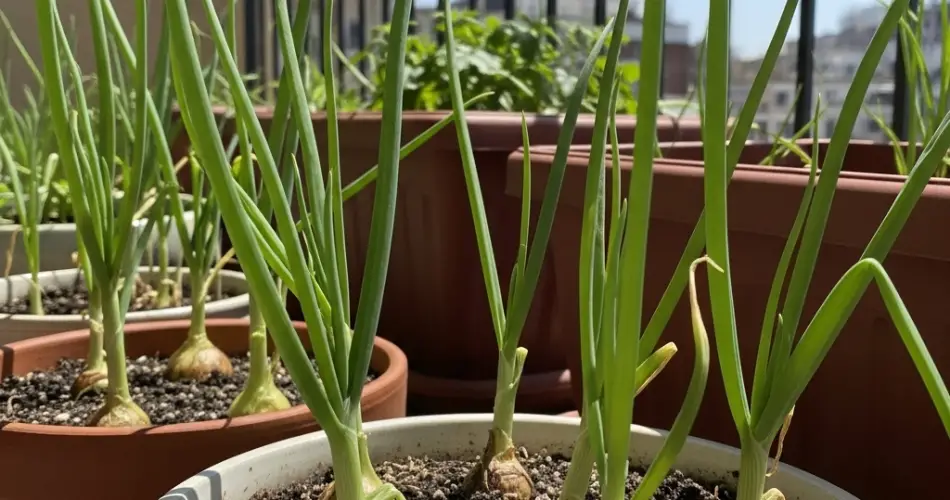
Onions are a kitchen staple, forming the base of countless recipes. The good news is you don’t need a backyard to grow your own fresh onions—just a few containers and a sunny spot will do. Whether you’re in an apartment, have limited garden space, or simply want a more manageable way to grow your produce, cultivating onions in pots is a practical and rewarding solution.
Growing onions in containers allows you to control soil quality, manage watering easily, and reduce weed growth. With a little effort and the right techniques, you can enjoy homegrown onions right from your balcony, windowsill, or patio.
Why Grow Onions in Containers?
Container gardening comes with many benefits, especially for onions:
-
Space-saving: Perfect for balconies, porches, or small patios
-
Control over soil and drainage: Prevents common ground-related pests and diseases
-
Convenient access: Easy to monitor, water, and harvest
-
Seasonal flexibility: Containers can be moved to take advantage of sun exposure or protect against cold
Plus, onions add aesthetic appeal with their upright green leaves, which resemble ornamental grass while maturing.
Choosing the Right Type of Onion
There are three main types of onions to consider:
-
Bulb Onions: These are the full-sized onions most people are familiar with. They can be grown from seeds, sets (small bulbs), or seedlings.
-
Green Onions (Scallions): Harvested early before bulb development, ideal for quicker harvests and smaller containers.
-
Bunching Onions: These multiply from a single planting and are perfect for continuous harvests.
When choosing a variety, consider your climate. Onions are categorized as:
-
Short-day onions (best for southern regions; bulb when days are 10–12 hours long)
-
Long-day onions (best for northern regions; bulb when days are 14–16 hours long)
-
Day-neutral onions (adaptable to most climates)
Supplies You’ll Need
Before planting, gather the following:
-
Containers at least 8–10 inches deep (wider pots allow more onions per pot)
-
Well-draining potting soil mixed with compost
-
Onion seeds, sets, or transplants
-
Watering can or hose
-
Sunny location (onions need 6–8 hours of direct sunlight daily)
Plastic, clay, or fabric pots all work well, as long as they have proper drainage holes at the bottom.
Preparing the Container
-
Fill with Soil: Use a mix of potting soil and compost to ensure the onions get the nutrients they need.
-
Level and Moisten: Lightly water the soil so it’s evenly moist before planting. Avoid waterlogging the mix, as onions dislike soggy roots.
Planting Instructions
-
From Seeds: Start seeds indoors 8–10 weeks before the last frost. Sow them ¼ inch deep, then transplant seedlings into containers once they’re about 4 inches tall.
-
From Sets or Transplants: Plant the sets about 1 inch deep with the pointed end up, and space them 3–4 inches apart for bulbs or closer if growing scallions.
For smaller varieties or green onions, you can space them 1–2 inches apart for a denser planting.
Care and Maintenance
-
Watering: Keep the soil consistently moist but not soaked. Water when the top inch of soil feels dry.
-
Fertilizing: Onions are heavy feeders. Apply a balanced liquid fertilizer or compost tea every 2–3 weeks to promote strong growth.
-
Sunlight: Make sure your containers are placed in a sunny area. Insufficient light can result in small or underdeveloped bulbs.
-
Weeding: While container-grown onions face fewer weed issues, remove any that appear to reduce competition for nutrients.
-
Mulching: A thin layer of mulch helps retain moisture and regulate soil temperature.
Pests and Problems
Onions grown in containers are less prone to pests, but still watch for:
-
Thrips and onion maggots: Use insecticidal soap or neem oil if needed.
-
Fungal issues: Avoid overwatering and ensure proper airflow between plants.
Rotate containers if you’ve previously grown garlic or other alliums to reduce disease risk.
Harvesting Your Onions
-
Green Onions: Can be harvested once they’re 6–8 inches tall. Cut the tops or pull them up entirely.
-
Bulb Onions: Harvest when the tops begin to yellow and fall over. Stop watering at this stage to allow the bulbs to mature.
-
Curing: After harvesting bulb onions, let them dry in a well-ventilated, shaded area for 1–2 weeks. Trim roots and tops once dry, and store them in a cool, dry place.
You can also leave some green onions in the container and harvest only what you need, allowing the rest to continue growing.
Tips for Success
-
Rotate the pot regularly if sunlight comes from one direction.
-
Don’t overcrowd your container—give onions room to expand and grow strong bulbs.
-
Top off soil during growth if you notice settling, especially after heavy watering.
-
Plant in succession every few weeks to ensure a continuous supply.
Final Thoughts
Growing onions in containers is a simple, satisfying way to bring fresh flavor to your cooking—without needing a traditional garden. Whether you’re growing scallions for quick harvests or waiting for full-size bulbs, container gardening puts fresh, homegrown onions within reach. With sunlight, water, and a bit of patience, you’ll be rewarded with a flavorful harvest that’s as practical as it is delicious.


