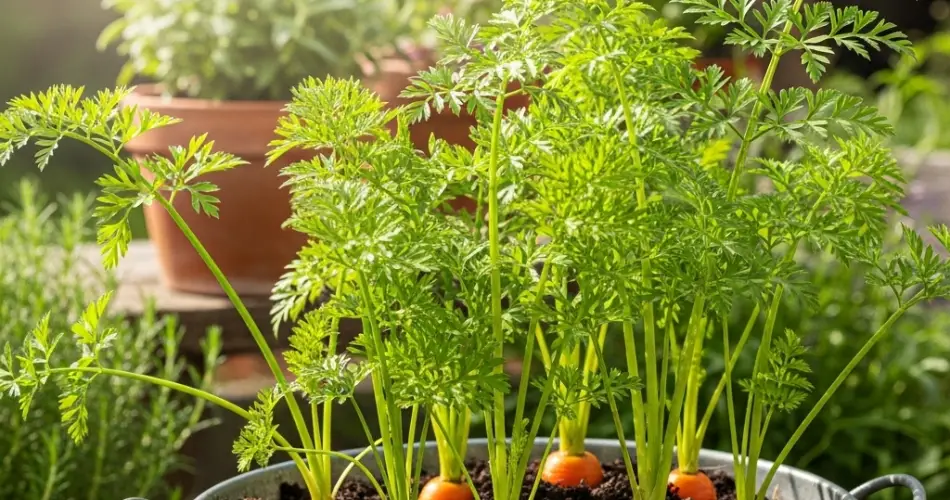
Carrots are a beloved root vegetable, known for their sweet flavor, crisp texture, and versatility in the kitchen. While many people assume carrots need large garden beds to grow properly, they actually thrive in containers—especially buckets. With the right setup and care, you can grow fresh, colorful carrots right on your balcony, patio, or even a sunny windowsill.
This step-by-step guide will walk you through everything you need to know about growing carrots successfully in buckets.
Why Carrots Do Well in Buckets
Carrots are surprisingly adaptable to small-space gardening. Buckets provide the depth they need to form strong, straight roots, and container growing also gives you more control over soil quality and watering. Some benefits of growing carrots in buckets include:
-
Better soil management: Loose soil ensures roots develop properly without becoming twisted or stunted.
-
Fewer weeds: Buckets reduce competition from unwanted plants.
-
Space efficiency: Even small areas can produce an abundant harvest.
-
Pest control: Containers make it easier to manage soil-borne pests.
By choosing the right bucket and caring for your plants consistently, you can enjoy sweet and crunchy carrots at home.
Choosing the Right Bucket
Carrots need depth more than width to grow properly. Select a bucket that is at least 12–14 inches deep to give the roots plenty of room. A standard 5-gallon bucket works perfectly. Ensure the bucket has drainage holes at the bottom, as carrots will not tolerate waterlogged soil.
If you want a steady supply, consider planting multiple buckets with staggered sowing times.
Best Carrot Varieties for Buckets
Not all carrot varieties are the same, and some are particularly well-suited for container gardening:
-
Thumbelina: Small, round carrots perfect for shallow containers.
-
Little Finger: Short, slender carrots with a sweet flavor.
-
Nantes: Cylindrical and tender, great for buckets with 12 inches of depth.
-
Parisian: Compact and flavorful, ideal for smaller containers.
Choosing varieties designed for shorter growth ensures you’ll have good results without the need for very deep soil.
Preparing the Soil
Carrots need loose, well-draining soil to grow properly. Hard or compacted soil leads to crooked, misshapen roots. A light soil mix is essential. A good container mix includes:
-
50% quality potting soil
-
30% compost for nutrients
-
20% sand or perlite for drainage and aeration
Avoid heavy garden soil, as it compacts easily and makes it difficult for carrot roots to develop straight.
Planting Carrots Step by Step
-
Fill the bucket with prepared soil, leaving 1–2 inches from the rim.
-
Sow seeds directly into the soil. Carrots do not transplant well, so direct seeding is essential.
-
Plant seeds about ¼ inch deep and 1 inch apart.
-
Water gently to moisten the soil without washing seeds away.
-
Once seedlings sprout, thin them to 2–3 inches apart to allow space for root development.
For continuous harvests, sow new seeds every 3 weeks.
Caring for Carrots in Buckets
Sunlight
Carrots require 6–8 hours of sunlight daily. Place buckets in a sunny location, such as a balcony or patio.
Watering
Carrots prefer even moisture. Inconsistent watering can cause roots to crack or split. Water when the top inch of soil feels dry, keeping the soil moist but not soggy.
Fertilizer
Carrots do not need heavy feeding. Too much nitrogen will result in leafy tops with small roots. Instead, use a balanced or phosphorus-rich fertilizer once during the growing period.
Common Problems and Solutions
-
Crowded roots: Thin seedlings early to prevent stunted growth.
-
Misshapen carrots: Often caused by heavy or compact soil. Stick to a light mix.
-
Pests: Carrot flies can be an issue outdoors, but bucket gardening at higher levels (like balconies) often prevents this. Covering containers with mesh can also help.
-
Slow growth: May result from insufficient sunlight or poor soil fertility. Adjust placement and add compost as needed.
Harvesting Your Carrots
Carrots are typically ready to harvest in 60–80 days, depending on the variety. To check maturity, gently brush away soil at the base of the greens to see the root size.
When ready, loosen the soil around each carrot and pull gently by the base of the greens. Harvest promptly once mature, as leaving carrots too long in the soil can make them woody and less sweet.
Using Homegrown Carrots
Freshly harvested carrots are sweeter and crunchier than store-bought ones. You can enjoy them in a variety of ways:
-
Eat raw as snacks or in salads.
-
Roast with herbs for a caramelized flavor.
-
Blend into soups and stews.
-
Pickle small varieties for a tangy treat.
Even carrot tops are edible—they can be turned into pesto, used in soups, or added to smoothies for an extra nutritional boost.
Final Thoughts
Growing carrots in buckets is a rewarding and space-efficient way to enjoy this nutritious root vegetable at home. With the right container, soil mix, and care, even small spaces can yield a colorful harvest of crisp, sweet carrots. By sowing seeds in intervals, you can ensure a steady supply of fresh carrots throughout the growing season.
Whether you live in an apartment with a sunny balcony or simply want to maximize your patio space, bucket gardening makes it possible to enjoy the freshness of homegrown carrots without the need for a traditional garden.


