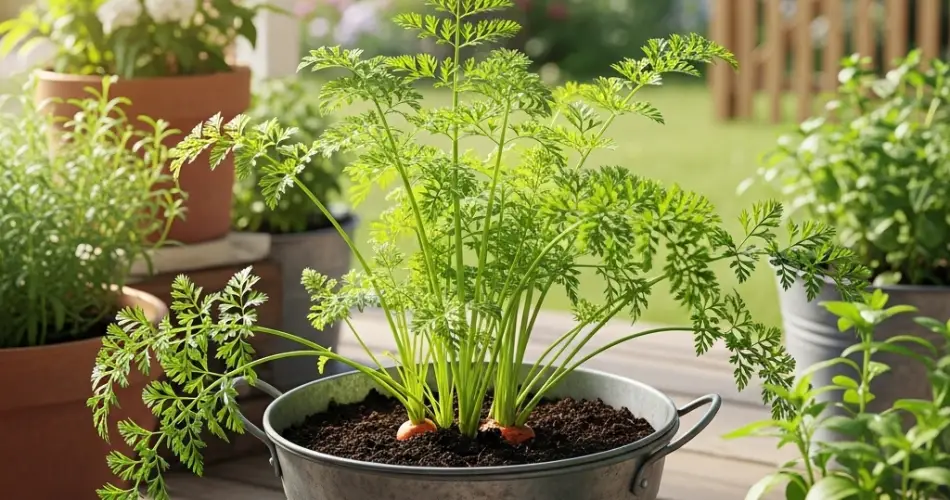
Carrots are one of the most popular root vegetables, known for their crisp texture, natural sweetness, and nutritional benefits. While many people assume that carrots need long garden rows to grow properly, the truth is they can thrive just as well in compact containers. Growing carrots in small containers is an excellent way to enjoy fresh produce at home, even if you live in an apartment or have limited outdoor space. With the right approach, you can harvest crunchy, sweet carrots from your balcony, patio, or even a sunny windowsill.
Why Grow Carrots in Containers?
Carrots adapt surprisingly well to container gardening. Small containers provide several advantages:
-
Space efficiency: Perfect for urban homes and small gardens.
-
Control over soil: You can create an ideal growing medium that’s free of stones and compacted earth.
-
Reduced pest pressure: Containers elevate your crops, reducing exposure to pests like carrot root flies.
-
Flexibility: Containers can be moved to follow the sun or protect plants from bad weather.
-
Continuous harvest: Small spaces allow you to plant in cycles for year-round supply.
For gardeners with little space, container-grown carrots are a practical, rewarding option.
Choosing the Right Container
Carrots are root crops, so depth is more important than width. Shallow containers can cause stunted or misshapen roots.
-
Depth: Choose a container at least 12 inches deep. For short carrot varieties, 8–10 inches may be sufficient.
-
Diameter: A pot or container 12–14 inches wide can grow 15–20 carrots when properly spaced.
-
Material: Plastic containers retain moisture better, while clay pots offer airflow but dry out faster.
-
Drainage: Always ensure good drainage by drilling holes in the bottom of the container.
Best Carrot Varieties for Small Containers
Not all carrot types are suited for compact spaces. Shorter or round varieties thrive best in containers.
-
Paris Market: A small, round carrot perfect for shallow pots.
-
Thumbelina: Bite-sized and excellent for children’s gardens.
-
Nantes: A sweet, medium-length variety that works well in deeper containers.
-
Chantenay: Broad, stubby carrots that adapt to small spaces.
Choosing container-friendly varieties ensures better success and tastier results.
Preparing the Soil
Carrots need light, loose, and stone-free soil to grow straight and healthy. Dense or rocky soil leads to forked or twisted roots.
-
Soil mix: Use a blend of potting soil, compost, and coarse sand for proper drainage.
-
Nutrients: Carrots prefer low-nitrogen soil. Too much nitrogen leads to leafy tops instead of big roots. Add balanced organic fertilizer or compost.
-
pH level: Maintain slightly acidic to neutral soil (6.0–7.0).
Sifting the soil before filling your container removes clumps and small stones that could hinder root growth.
Planting Carrots in Containers
-
Fill the container with prepared soil, leaving about 2 inches from the rim.
-
Sow carrot seeds directly into the soil, spacing them about 1 inch apart.
-
Cover seeds lightly with soil (about ¼ inch deep).
-
Water gently to moisten without washing seeds away.
-
Place the container in a sunny location that receives 6–8 hours of sunlight daily.
Carrot seeds germinate slowly, usually within 10–20 days. Consistent moisture is key during this period.
Caring for Container-Grown Carrots
-
Watering: Keep soil consistently moist but not waterlogged. Dry spells can cause roots to become tough.
-
Thinning: Once seedlings reach 2 inches tall, thin them to 2–3 inches apart. This prevents overcrowding and allows full root development.
-
Fertilizing: Apply a balanced, low-nitrogen fertilizer once during the growing cycle to encourage healthy roots.
-
Mulching: Add a thin layer of mulch to retain moisture and regulate soil temperature.
Carrots are relatively low-maintenance, making them perfect for beginner container gardeners.
Common Problems and How to Avoid Them
-
Forked roots: Usually caused by compacted soil or too much nitrogen. Use loose soil and balanced fertilizers.
-
Green tops: When carrot crowns are exposed to sunlight, they can turn green. Add more soil around the base to keep them covered.
-
Slow germination: Carrot seeds take time to sprout. Patience and steady watering ensure success.
Harvesting Carrots
Most carrot varieties are ready to harvest in 60–80 days, but baby carrots can be pulled earlier.
-
Signs of readiness: The shoulders of the carrot will appear above the soil and should be about ½ to 1 inch thick.
-
Harvesting method: Loosen the soil around the carrot and gently pull it out by the greens.
-
Successive planting: For a continuous harvest, sow seeds every 3–4 weeks during the growing season.
Freshly harvested carrots are sweeter and more flavorful than store-bought ones, making the effort worthwhile.
Conclusion
Compact carrot growing in small containers is a practical, rewarding way to enjoy fresh vegetables at home. By choosing the right container, using loose and fertile soil, and selecting container-friendly varieties, you can grow carrots successfully in even the smallest spaces. With a little patience and consistent care, your balcony or patio can provide crunchy, sweet carrots for your kitchen all year round.
Whether you’re an urban gardener or simply want to maximize your space, container-grown carrots are an excellent way to bring fresh produce closer to your table.


