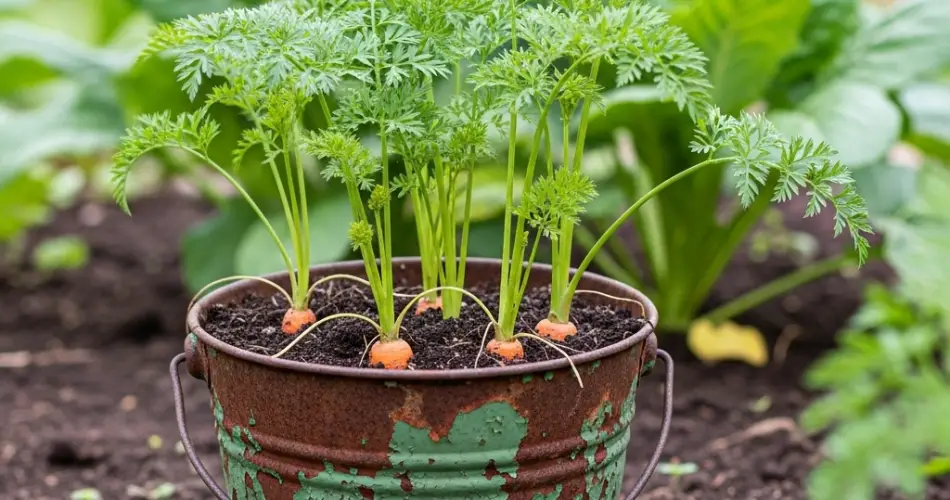
Carrots are among the most rewarding root vegetables to grow at home. Their crisp texture, natural sweetness, and versatility in the kitchen make them a favorite addition to gardens. But if you don’t have access to a large plot of land, you can still enjoy a steady harvest of carrots by growing them in buckets. Container gardening allows you to cultivate this nutritious crop in small spaces such as balconies, patios, or sunny doorsteps. With the right setup and care, you can enjoy homegrown carrots that are fresher and tastier than anything from the store.
Why Grow Carrots in Buckets?
Growing carrots in buckets has many advantages:
-
Space-saving: Perfect for urban living or homes without garden beds.
-
Portability: Buckets can be moved to capture sunlight or shield plants from heavy rain.
-
Fewer pests: Containers minimize the risk of soil-borne diseases and carrot root flies.
-
Controlled soil quality: You can provide loose, nutrient-rich soil that’s ideal for root crops.
-
Year-round options: With the right conditions, carrots can be grown in multiple planting cycles throughout the year.
For gardeners of all experience levels, bucket-grown carrots are a practical and productive choice.
Choosing the Right Bucket
Carrots need depth to grow properly, so your bucket must accommodate their long taproots.
-
Depth: Select a bucket that’s at least 12–14 inches deep. Longer carrot varieties may need up to 16 inches.
-
Width: A standard 5-gallon bucket can comfortably hold 15–20 carrot plants when spaced correctly.
-
Drainage: Drill multiple holes at the bottom to prevent waterlogging, which can cause root rot.
-
Material: Lightweight plastic buckets are easy to move, while clay buckets offer better airflow but may dry out faster.
Preparing the Soil
Carrots grow best in light, loose, and stone-free soil. Hard or compacted soil can result in twisted, forked roots.
-
Soil mix: Use a blend of potting soil, coarse sand, and compost. This ensures good drainage and allows roots to expand easily.
-
pH level: Aim for slightly acidic to neutral soil (6.0–7.0).
-
Nutrients: Add compost or a low-nitrogen organic fertilizer. Too much nitrogen encourages leafy tops at the expense of roots.
Before planting, sift the soil to remove pebbles or clumps that could obstruct carrot growth.
Selecting Carrot Varieties
Some carrot types are better suited for container gardening than others.
-
Short and round varieties: Such as ‘Paris Market’ or ‘Thumbelina’, ideal for shallow containers.
-
Medium-length varieties: Like ‘Nantes’ or ‘Chantenay’, which do well in buckets about 12–14 inches deep.
-
Baby carrots: Quick-growing and perfect for small spaces.
Choosing the right variety ensures healthy growth and sweeter harvests.
Planting Carrots in Buckets
-
Fill the bucket with prepared soil, leaving 2 inches from the top.
-
Sow seeds directly into the soil; carrots do not transplant well.
-
Plant seeds about ¼ inch deep and 1 inch apart.
-
Lightly cover with soil and gently water.
-
Keep the bucket in a location with 6–8 hours of direct sunlight daily.
Carrot seeds take longer to germinate than many other vegetables, usually 10–20 days. Be patient and keep the soil consistently moist during this period.
Caring for Bucket-Grown Carrots
Carrots require minimal maintenance once established, but consistent care ensures sweet, tender roots.
-
Watering: Maintain evenly moist soil, especially during germination. Avoid letting the soil dry out completely.
-
Thinning: When seedlings are about 2 inches tall, thin them to 2–3 inches apart. This prevents overcrowding and allows roots to develop fully.
-
Fertilizing: Apply a balanced, low-nitrogen fertilizer once during the growing cycle to support root development.
-
Mulching: A thin layer of mulch helps retain soil moisture and prevents weeds.
Common Issues and Solutions
-
Forked or twisted roots: Caused by compact soil or obstructions. Use a loose mix and remove stones.
-
Green shoulders: Carrots exposed to sunlight at the top may turn green. Add more soil around the base of plants to cover roots.
-
Pests: Carrot root flies are less common in buckets, but fine mesh covers can offer extra protection if needed.
Harvesting Carrots
Carrots are typically ready to harvest in 60–80 days, depending on the variety.
-
Signs of readiness: Look for the tops of carrots peeking above the soil and measure their diameter. Most are ready when they reach ½ to 1 inch thick.
-
Harvesting method: Gently loosen the soil around the carrot with your hands and pull it out by the top.
-
Succession planting: For a continuous harvest, sow new seeds every 3–4 weeks during the growing season.
Freshly harvested carrots are sweeter and crisper than store-bought ones, making your efforts worthwhile.
Conclusion
Growing sweet carrots in buckets is an easy and rewarding gardening project for beginners and experienced gardeners alike. With the right container, soil preparation, and consistent care, you can enjoy fresh, homegrown carrots even in small spaces. By choosing suitable varieties and harvesting them at the right time, you’ll be rewarded with delicious, nutritious roots that elevate your meals.
Whether you live in an apartment with a balcony or a home with limited yard space, bucket gardening allows you to enjoy one of nature’s sweetest vegetables right at your doorstep. Start with a bucket, some soil, and a handful of seeds, and in just a few months, you’ll be enjoying carrots pulled straight from your own container garden.


