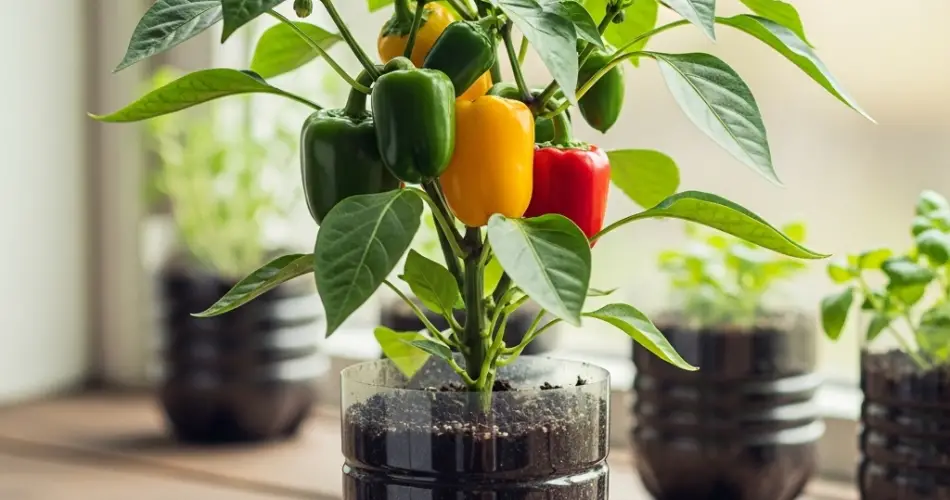
Growing peppers from seed can be a rewarding experience, but starting them indoors early often requires the right environment for successful germination and healthy seedling development. Using plastic bottles as mini-greenhouses is a practical, space-saving, and eco-friendly method to create ideal conditions for sprouting pepper seeds indoors. This approach helps maintain warmth and humidity while providing protection for delicate seedlings, making it easier to manage their early growth stages. This article will guide you through the steps to sprout peppers indoors using plastic bottles.
Why Use Plastic Bottles for Pepper Seed Germination?
Pepper seeds need consistent warmth, moisture, and light to germinate successfully. Using plastic bottles as mini-greenhouses offers several benefits:
-
Controlled Microclimate: Bottles trap heat and humidity, essential for pepper seed germination.
-
Protection: The enclosed environment protects seeds and seedlings from drafts, pests, and temperature fluctuations.
-
Sustainability: Reusing plastic bottles reduces waste and supports eco-friendly gardening.
-
Space Efficiency: Bottles take up minimal space and are perfect for small apartments or limited indoor gardening areas.
-
Easy Monitoring: The transparent bottles allow you to observe seedling progress and soil moisture without disturbing the plants.
Materials Needed
-
Clear plastic bottles (1 to 2 liters)
-
Sharp scissors or utility knife
-
Seed-starting mix or light potting soil
-
Pepper seeds
-
Water spray bottle or gentle watering can
Preparing the Plastic Bottle Planter
-
Select the Bottle: Choose a clean, clear plastic bottle to maximize light penetration.
-
Cut the Bottle: Using scissors or a knife, cut the bottle horizontally about two-thirds from the bottom. The bottom part will serve as your planter, and the top will be inverted to act as a greenhouse lid.
-
Drainage: Poke several small holes in the bottom section to allow excess water to drain, preventing waterlogging.
-
Ventilation: Leave the bottle cap off or make a small hole in it to allow air circulation while maintaining humidity inside.
Preparing the Soil
Pepper seeds thrive in well-draining, nutrient-rich soil. Use a seed-starting mix or a light potting soil designed for seedlings. Avoid heavy garden soil, which can retain too much moisture and cause seed rot.
-
Moisten the soil before filling the planter—it should be damp but not soaking wet.
-
Fill the bottle planter to about two inches from the top, allowing space for watering and airflow.
Sowing Pepper Seeds in Bottles
Pepper seeds are small, so handle them with care:
-
Plant Seeds: Place seeds on the soil surface or slightly press them into the soil, about ¼ inch deep.
-
Spacing: Plant seeds with enough space to avoid overcrowding—1 to 2 inches apart is ideal.
-
Watering: Mist gently to moisten the soil without disturbing the seeds.
-
Cover: Invert the bottle’s top over the bottom section to form a mini greenhouse, maintaining moisture and warmth.
Ideal Conditions for Germination
Pepper seeds typically take 7 to 21 days to germinate under optimal conditions. To promote germination:
-
Temperature: Keep the planter in a warm spot between 70°F and 85°F (21°C to 29°C). Bottom heat mats can be used if necessary.
-
Light: While seeds do not require light to germinate, seedlings need bright, indirect light once they emerge to prevent leggy growth. Place them near a sunny window or under grow lights.
-
Humidity: The bottle cover helps retain humidity. Open the cover briefly each day to prevent mold and allow fresh air.
-
Moisture: Keep soil consistently moist but not waterlogged. Mist as needed.
Caring for Pepper Seedlings
Once seeds sprout and seedlings appear:
-
Ventilation: Gradually increase airflow by removing the bottle lid for longer periods during the day.
-
Watering: Continue to keep the soil moist, watering carefully to avoid drying out or overwatering.
-
Thinning: When seedlings have two sets of true leaves, thin them by cutting the weaker plants at soil level, allowing space for the strongest seedlings.
Transplanting Seedlings
After about 6 to 8 weeks, seedlings will be ready for transplanting:
-
Hardening Off: Gradually acclimate seedlings to outdoor conditions by placing them outside for a few hours daily over a week.
-
Prepare the Planting Site: Choose a sunny location with fertile, well-draining soil. If planting indoors in pots, use quality potting mix.
-
Transplant: Carefully remove seedlings from the bottle planter, preserving the root ball, and plant at the same depth.
-
Water: Water thoroughly after transplanting and maintain consistent moisture as seedlings establish.
Troubleshooting Common Problems
-
Damping-off Disease: Caused by fungal infections leading to seedling collapse. Prevent by ensuring good ventilation, avoiding overwatering, and using sterilized soil.
-
Leggy Seedlings: Insufficient light causes tall, weak seedlings. Increase exposure to bright light or use supplemental grow lights.
-
Poor Germination: May be due to old seeds, incorrect planting depth, or unsuitable temperature. Use fresh seeds and maintain optimal conditions.
Benefits of Using the Bottle Method for Peppers
-
Eco-friendly and budget-friendly seed starting option.
-
Provides a controlled, stable environment for delicate seedlings.
-
Saves space and is portable for optimizing light and temperature.
-
Easy to monitor and manage moisture and seedling health.
Final Thoughts
Sprouting pepper seeds indoors using plastic bottles is an effective, sustainable, and beginner-friendly way to jumpstart your pepper plants. This DIY mini-greenhouse provides the warmth, humidity, and protection pepper seeds need to germinate and grow into strong seedlings. Whether you have limited space or want to improve your seed-starting success, the bottle method offers an accessible solution to produce healthy pepper plants ready for transplanting into your garden or containers. With patience and proper care, you’ll enjoy a plentiful pepper harvest in your growing season.


