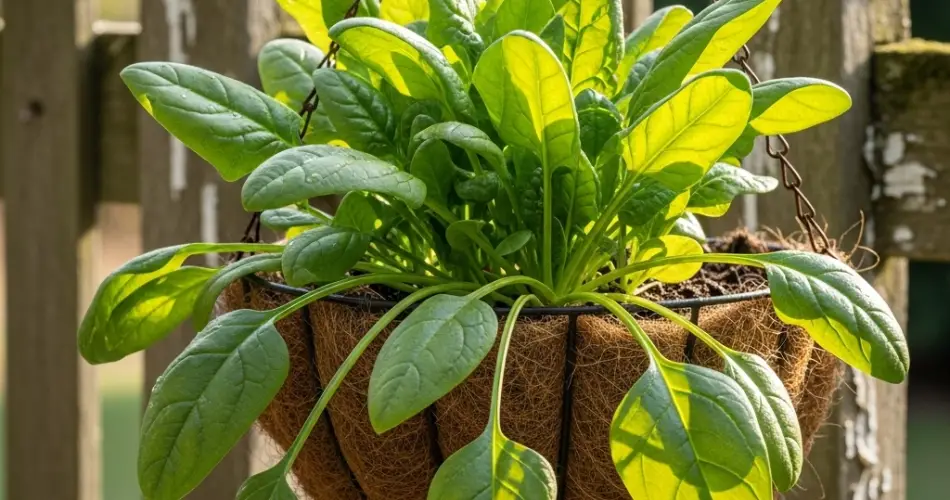
Spinach is one of the most versatile and nutritious leafy greens, known for being a powerhouse of vitamins, minerals, and antioxidants. Whether tossed into salads, blended into smoothies, or cooked in hearty dishes, it offers endless possibilities in the kitchen. The best part? You don’t need a large backyard to grow spinach. With a simple basket, some good soil, and proper care, you can cultivate a steady supply of this superfood right at home—even in the smallest spaces.
Basket gardening has become increasingly popular for urban dwellers, balcony gardeners, and anyone wanting fresh produce within arm’s reach. Growing spinach in baskets is not only convenient but also highly rewarding, offering a compact and attractive way to enjoy a nutrient-rich harvest.
Why Spinach Thrives in Baskets
Spinach is naturally suited to basket growing because of its shallow root system and rapid growth cycle. Here are a few benefits of this approach:
-
Space-saving: Hanging or raised baskets maximize small areas like balconies, patios, or windowsills.
-
Pest protection: Elevating plants keeps them away from crawling insects and soil-borne diseases.
-
Aesthetic value: Lush green foliage spilling over basket edges brings both beauty and practicality.
-
Accessibility: Harvesting at waist or eye level is easier and more enjoyable.
This method combines functionality with charm, making it ideal for anyone looking to grow fresh greens without the need for large garden beds.
Choosing the Right Basket
For spinach, a basket that is at least 10–12 inches deep and 12–14 inches wide works best. This size provides enough room for several plants to thrive without overcrowding.
-
Material: Wire baskets with coco liners, plastic hanging baskets, or even sturdy woven containers all work well.
-
Drainage: Ensure there are adequate drainage holes to prevent water from pooling at the bottom.
-
Stability: Spinach grows quickly, and when watered, soil can become heavy. Choose a strong hook and chain if hanging the basket.
Soil Preparation
Spinach prefers soil that is rich, moist, and well-draining. For baskets, this is especially important, as soil dries out more quickly than in the ground.
-
Use a lightweight potting mix with added compost for nutrients.
-
Incorporate perlite or vermiculite to improve aeration.
-
Avoid heavy garden soil, which compacts and suffocates roots in baskets.
A nutrient-rich, fluffy soil base ensures quick germination and strong growth.
Planting Spinach in Baskets
You can start spinach from seeds or seedlings, though seeds are often the easiest option.
-
Seeds: Sow directly into the basket about ½ inch deep. Space them 2–3 inches apart for baby leaves or 4–6 inches apart for full-sized plants.
-
Seedlings: If transplanting, handle gently, as spinach roots are delicate and do not like disturbance.
For continuous harvests, stagger your plantings every two weeks. This guarantees fresh leaves all season long.
Light and Temperature Needs
Spinach prefers cooler weather and thrives in temperatures between 50–70°F (10–21°C).
-
Light: Provide at least 4–6 hours of sunlight daily. Morning sun with afternoon shade works best, especially in warmer climates.
-
Placement: In hot weather, move baskets to a shaded area to prevent bolting (premature flowering).
If growing indoors, place baskets near a bright window or supplement with LED grow lights.
Watering and Maintenance
Consistent moisture is crucial for spinach, as dry conditions lead to bitter leaves. However, baskets can dry out quickly, so attentive care is necessary.
-
Check daily: Water whenever the top inch of soil feels dry.
-
Even watering: Ensure moisture reaches all parts of the soil, not just the surface.
-
Mulching: Adding a thin layer of coco husk, straw, or shredded leaves helps retain moisture.
Avoid overwatering, as soggy soil can lead to root rot.
Feeding Spinach Plants
Since basket soil loses nutrients faster due to frequent watering, spinach benefits from light, regular feeding.
-
Use a balanced liquid fertilizer every 2–3 weeks.
-
For organic options, apply diluted compost tea or fish emulsion.
Healthy feeding ensures dark green leaves packed with flavor and nutrition.
Harvesting Spinach
Spinach is fast-growing, and you can begin harvesting baby leaves in as little as 30 days after planting.
-
Cut-and-come-again: Pick outer leaves when they reach 3–4 inches, leaving the center intact for continued growth.
-
Full harvest: If you prefer mature leaves, allow plants to grow 6–8 inches tall before cutting the entire plant at the base.
Frequent harvesting encourages new growth and prevents the plant from bolting too quickly.
Common Problems and Solutions
-
Bolting: Spinach flowers and turns bitter in hot weather. Move baskets to cooler spots or plant in early spring and fall.
-
Yellowing leaves: Often a sign of overwatering or nutrient deficiency. Adjust watering habits and feed lightly.
-
Pests: Aphids may occasionally appear but can be controlled with a spray of soapy water.
With a little attention, spinach remains one of the easiest greens to manage in baskets.
Final Thoughts
Growing spinach in baskets is an excellent way to enjoy this nutrient-rich superfood, no matter how limited your space may be. It’s practical, attractive, and rewarding, offering fresh, healthy leaves just steps from your kitchen. Whether you have a balcony, a sunny window, or a small patio, spinach fits beautifully into basket gardening.
With the right setup, proper watering, and regular harvesting, you’ll have a continuous supply of crisp, green leaves ready to enhance your meals. A small basket of spinach can easily become a big step toward healthier, more sustainable living.


