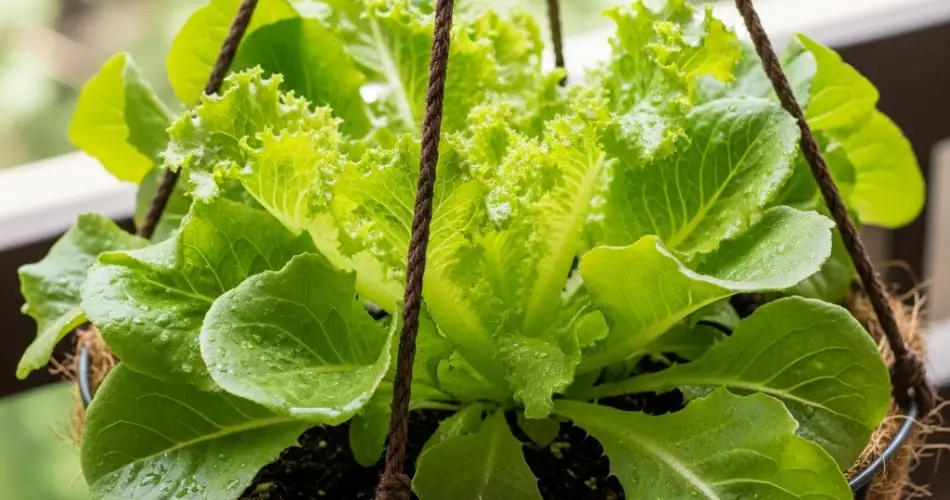
Fresh salad greens are a staple for healthy meals, and growing them at home has never been easier thanks to basket gardening. For gardeners with limited space, including balconies, patios, or small yards, baskets provide an efficient and attractive way to cultivate lettuce, arugula, spinach, and other leafy greens. Basket gardening combines convenience, mobility, and effective soil management, allowing for continuous harvests of crisp, flavorful leaves. This guide outlines how to plant, care for, and harvest salad greens in baskets for year-round enjoyment.
Why Use Baskets for Salad Greens
Baskets are a practical choice for growing salad greens because they:
-
Save space: Ideal for urban environments, balconies, and patios where ground space is limited.
-
Ensure good drainage: Slatted or perforated baskets prevent waterlogging, which is critical for shallow-rooted greens.
-
Provide mobility: Baskets can be moved to maximize sunlight exposure or protected during extreme weather.
-
Enhance aesthetics: Wooden, plastic, or hanging baskets add charm to any outdoor space while keeping greens organized and accessible.
Choosing the Right Salad Green Varieties
Not all salad greens are equally suited to basket gardening. Compact or fast-growing varieties perform best. Consider the following:
-
Lettuce: ‘Black Seeded Simpson,’ ‘Red Sails,’ or ‘Buttercrunch’
-
Spinach: ‘Bloomsdale’ or ‘Tyee’
-
Arugula: ‘Rocket’ or ‘Wasabi’ varieties
-
Mesclun mixes: Pre-packaged mixes for colorful, continuous harvest
Leaf-type lettuce and tender greens are particularly well-suited for cut-and-come-again harvesting, allowing you to enjoy fresh leaves over several weeks.
Selecting and Preparing Baskets
Choose a sturdy basket that can hold soil and water without bending or breaking. A diameter of 10–14 inches and a depth of 6–10 inches is suitable for most leafy greens. Hanging baskets, wooden crates, or plastic planters with drainage holes all work well. Lining baskets with coconut coir, burlap, or landscape fabric helps retain soil while allowing excess water to escape.
Use a light, nutrient-rich soil mix for salad greens:
-
High-quality potting soil
-
Compost or well-rotted organic matter
-
Perlite or sand for drainage
Avoid heavy garden soil, which can compact and restrict root development. Salad greens prefer slightly acidic to neutral soil (pH 6.0–7.0) for optimal growth.
Planting Salad Greens
To plant salad greens in baskets:
-
Fill the basket with prepared soil, leaving about 1–2 inches from the top.
-
Sow seeds thinly on the soil surface or transplant seedlings, spacing them 2–4 inches apart depending on the variety.
-
Lightly cover seeds with soil and water gently to settle them.
-
Keep the soil consistently moist until germination and establishment.
For continuous harvesting, plant seeds in successive batches every 1–2 weeks. This ensures a steady supply of fresh leaves throughout the season.
Sunlight and Temperature Requirements
Salad greens thrive in partial to full sunlight. Most varieties need 4–6 hours of direct sunlight per day, though some leafy greens tolerate light shade. Greens grow best in cooler temperatures, typically between 60–70°F (15–21°C). In hot weather, providing afternoon shade or moving baskets to cooler areas prevents bolting and bitterness.
Watering and Care
Keep soil evenly moist but avoid waterlogging. Shallow-rooted greens dry out quickly, especially in baskets, so regular watering is essential. Mulching with straw or small bark chips helps retain moisture and maintain even soil temperatures.
Fertilize lightly every 2–3 weeks with a balanced, water-soluble fertilizer. Excessive nitrogen can lead to overly lush foliage, which may be more susceptible to disease.
Harvesting Salad Greens
For leaf lettuce and other cut-and-come-again greens, harvest outer leaves 1–2 inches above the soil, allowing inner leaves to continue growing. This method provides a continuous supply of fresh salad greens. For compact varieties, harvest the entire plant when it reaches maturity. Frequent harvesting encourages new growth and prevents overcrowding.
Benefits of Basket Gardening for Salad Greens
Basket gardening offers multiple advantages:
-
Efficient use of small spaces
-
Improved drainage and soil control
-
Mobility to optimize sunlight and protection
-
Continuous harvest through successive plantings and cut-and-come-again methods
-
Adds visual appeal and organization to outdoor kitchens, patios, or balconies
Final Thoughts
Growing salad greens in baskets is simple, space-efficient, and rewarding. By choosing the right varieties, providing nutrient-rich soil, and maintaining consistent care, gardeners can enjoy fresh, flavorful leaves throughout the season. Basket gardening combines convenience and charm, making it an ideal solution for urban gardeners or anyone seeking a portable, attractive way to cultivate salad greens at home. With proper care, your basket garden can provide a constant supply of crisp, homegrown greens for healthy and delicious meals.


