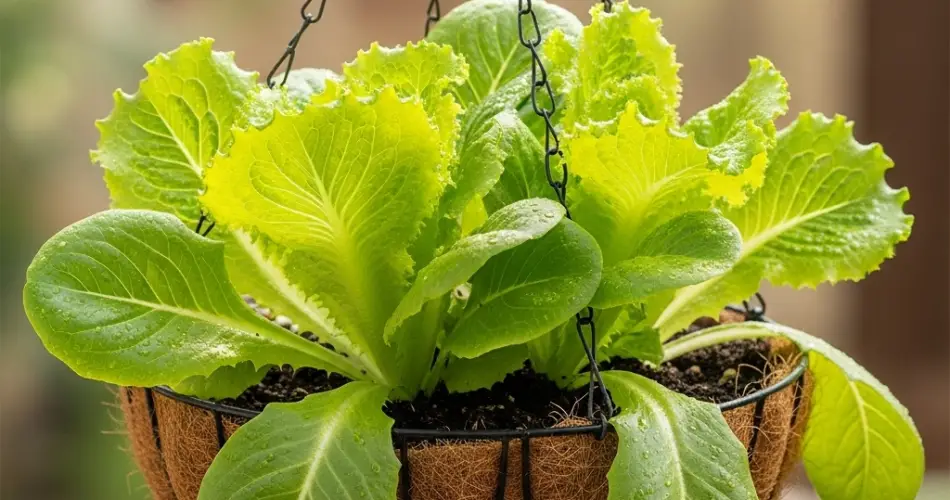
Lettuce is one of the easiest and most rewarding vegetables to grow at home. Its crisp leaves add freshness to salads, sandwiches, and countless dishes. While most people imagine lettuce in neat rows in the garden, it is also perfectly suited for container growing—especially in hanging baskets. This method saves space, keeps plants out of reach of certain pests, and adds greenery to patios, balconies, or small gardens.
With the right setup and care, you can enjoy a continuous supply of fresh lettuce right at your doorstep. Here’s a step-by-step guide to growing lettuce in hanging baskets.
Why Choose Hanging Baskets for Lettuce?
Growing lettuce in hanging baskets offers several advantages:
-
Space-saving: Perfect for those without garden beds, especially apartment dwellers or anyone with limited yard space.
-
Pest control: Elevating the plants keeps them away from snails, slugs, and some crawling insects.
-
Aesthetic appeal: Cascading baskets of green lettuce look beautiful while being practical.
-
Convenience: Having lettuce at eye level makes it easier to harvest for meals.
This method combines function and style, turning fresh food into part of your home décor.
Step 1: Selecting the Right Basket
Choose a hanging basket that is at least 12 inches wide and 8–10 inches deep. Lettuce has shallow roots, so it doesn’t require excessive depth, but you want enough room to grow several plants.
-
Material: Wire baskets lined with coco coir or moss are popular and breathable, but plastic hanging baskets work just as well.
-
Drainage: Ensure the basket has proper drainage holes to prevent waterlogging. Lettuce thrives in moist soil but does not tolerate standing water.
-
Support: Make sure the hanging hook and chain are sturdy, as wet soil can be heavy.
Step 2: Preparing the Soil
The right soil mix is critical for healthy lettuce.
-
Lightweight potting mix is best, as it holds moisture but drains well.
-
Mix in compost or well-rotted organic matter to provide nutrients.
-
A handful of perlite or vermiculite helps improve aeration and prevents compacting.
Avoid using garden soil alone, as it is too heavy for baskets and can suffocate the roots.
Step 3: Planting Lettuce
Lettuce grows well from both seeds and seedlings.
-
Seeds: Sow them directly into the basket, spacing them about 2–3 inches apart. You can sprinkle them evenly across the surface for a fuller look.
-
Seedlings: If starting with young plants, gently transplant them into the basket, keeping the crown of each plant at soil level.
For variety, consider mixing different types such as leaf lettuce, romaine, or butterhead. This not only adds color but also extends your harvest season.
Step 4: Light and Placement
Lettuce prefers cooler conditions and does best with 4–6 hours of sunlight daily. Too much heat or strong afternoon sun can cause it to bolt (go to seed), making the leaves bitter.
-
Place the hanging basket where it receives morning sun and afternoon shade.
-
If growing indoors, position the basket near a bright window or supplement with grow lights.
The flexibility of baskets allows you to adjust placement as the seasons change.
Step 5: Watering and Care
Because baskets dry out faster than ground soil, watering is the most important part of care.
-
Check daily: Stick your finger into the soil. If the top inch feels dry, it’s time to water.
-
Even moisture: Keep the soil consistently damp but not soggy. Lettuce is mostly water and grows best in moist conditions.
-
Mulching: A thin layer of straw, shredded leaves, or coco husk helps retain moisture.
Consistent watering ensures tender, crisp leaves that are perfect for eating.
Step 6: Fertilizing
Since nutrients leach out quickly from baskets due to frequent watering, light but regular feeding is recommended.
-
Apply a balanced liquid fertilizer every two weeks.
-
Alternatively, mix in slow-release organic granules when planting.
Avoid over-fertilizing, as it can lead to lush leaves with poor flavor.
Step 7: Harvesting Lettuce
Lettuce is one of the quickest crops to harvest. Depending on the variety, you can start cutting leaves in as little as 30 days after planting.
-
Cut-and-come-again method: Snip outer leaves when they are 4–6 inches long, leaving the center to keep producing.
-
Whole head harvest: If you prefer, wait until the head forms fully and cut it at the base.
Harvesting regularly encourages new growth and extends your supply.
Step 8: Succession Planting
To enjoy lettuce year-round, practice succession planting. Every 2–3 weeks, sow a new batch of seeds in the same basket or another one. This ensures a steady harvest without gaps.
Common Problems and Solutions
-
Bolting: If plants shoot up tall and flower, they are stressed from heat. Move the basket to a shadier spot.
-
Pests: Though baskets deter many pests, aphids may still appear. A spray of diluted soapy water usually controls them.
-
Yellowing leaves: Often a sign of overwatering or nutrient deficiency. Adjust watering and apply a light fertilizer.
Final Thoughts
Growing lettuce in hanging baskets is a simple and space-saving way to enjoy fresh greens right outside your door. With the right basket, soil, and care, you can harvest tender leaves throughout the season. Not only does this method provide convenience and beauty, but it also makes homegrown food accessible even in the smallest spaces.
Fresh, crisp lettuce is always within reach—ready to brighten your meals and remind you of the joy of growing your own food.


