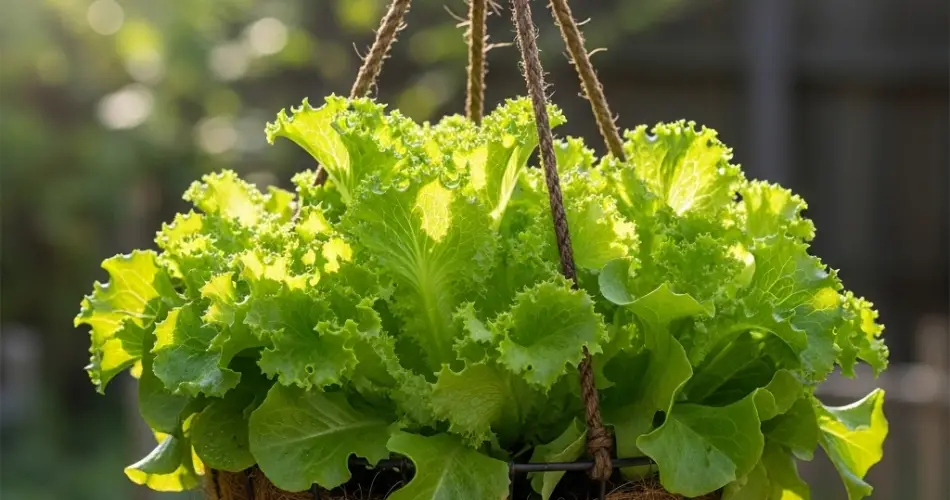
Lettuce is a staple in home gardens, valued for its crisp texture, mild flavor, and versatility in salads, sandwiches, and wraps. For gardeners with limited space, basket gardens provide a practical and attractive way to grow fresh lettuce at home. Using baskets allows for mobility, efficient use of vertical and horizontal space, and easy access to nutrient-rich soil. This guide explains how to plant, care for, and harvest lettuce in basket gardens, ensuring a steady supply of fresh greens all season long.
Why Grow Lettuce in Baskets
Basket gardening is ideal for lettuce because it allows the soil to drain well, prevents overcrowding, and provides mobility to optimize sunlight exposure. Hanging or tabletop baskets can be moved to follow the sun or sheltered during heavy rain, while traditional ground baskets are easy to maintain and harvest from. Baskets also add charm to patios, balconies, and small garden plots, making them a visually appealing option for home growers.
Choosing the Right Lettuce Varieties
Lettuce comes in several types, including leaf, butterhead, romaine, and crisphead. For basket gardening, leaf and butterhead varieties are best suited due to their compact growth and continuous harvest potential. Some recommended varieties include:
-
Leaf Lettuce: ‘Black Seeded Simpson,’ ‘Red Sails’
-
Butterhead: ‘Buttercrunch,’ ‘Bibb’
-
Romaine: ‘Parris Island Cos,’ ‘Little Gem’
Leaf lettuce varieties are especially suitable for cut-and-come-again harvesting, which allows you to enjoy fresh leaves continuously without replanting.
Selecting a Basket
Choose a basket that is sturdy, deep, and has proper drainage. A basket with at least 10–12 inches in diameter and 8–10 inches deep works well for lettuce. Hanging baskets, wooden crates, or plastic planters with drainage holes are all suitable options. Line baskets with coconut coir, landscape fabric, or burlap to retain soil while allowing excess water to escape. Proper drainage is essential, as lettuce roots are sensitive to waterlogged conditions.
Preparing the Soil
Lettuce thrives in light, fertile, and well-draining soil. A recommended mix includes:
-
High-quality potting soil
-
Compost or well-rotted organic matter for nutrients
-
Perlite or coarse sand for aeration
Avoid heavy garden soil, which can compact in baskets and hinder root growth. A slightly acidic to neutral pH (6.0–7.0) promotes optimal nutrient uptake. Mixing in a slow-release fertilizer at planting can give lettuce the nutrients it needs to establish quickly.
Planting Lettuce in Baskets
To plant lettuce:
-
Fill the basket with prepared soil, leaving about 1–2 inches from the top.
-
Sow seeds thinly on the surface or transplant small seedlings, spacing them 4–6 inches apart for proper airflow and growth.
-
Gently cover seeds with a thin layer of soil and water thoroughly.
-
Keep the soil consistently moist until seedlings are established.
For continuous harvest, consider planting lettuce in successive batches every 2–3 weeks. This staggered approach ensures fresh leaves are always available.
Light and Temperature Requirements
Lettuce prefers cool weather and partial to full sunlight. Place baskets in a location that receives at least 4–6 hours of sun daily. In warmer climates, provide some afternoon shade to prevent leaf bolting, which can cause bitterness. Lettuce grows best in temperatures between 60–70°F (15–21°C).
Watering and Care
Keep the soil evenly moist but not waterlogged. Lettuce has shallow roots, so frequent, light watering is often more effective than deep, infrequent watering. Mulching the soil surface with straw or small bark chips can help retain moisture and regulate temperature.
Fertilize lightly with a balanced, water-soluble fertilizer every 2–3 weeks to maintain healthy leaf growth. Avoid excessive nitrogen, which can lead to overly lush leaves that may be more prone to disease.
Harvesting Lettuce
Leaf and butterhead varieties are ideal for cut-and-come-again harvesting. Snip outer leaves 1–2 inches above the soil, leaving the inner leaves to continue growing. Regular harvesting encourages new growth and extends the overall yield. For romaine or compact butterhead heads, harvest the entire plant when it reaches maturity, typically 60–75 days after sowing.
Benefits of Basket Gardening for Lettuce
Growing lettuce in baskets provides several advantages:
-
Space-saving solution for small gardens, balconies, or patios
-
Easier control over soil quality and drainage
-
Portable, allowing plants to follow sunlight or be sheltered during adverse weather
-
Continuous harvest through successive planting and cut-and-come-again methods
Final Thoughts
Basket gardens make growing fresh, flavorful lettuce at home simple and efficient. By choosing suitable varieties, providing well-draining soil, and maintaining consistent care, gardeners can enjoy a steady supply of tender leaves throughout the season. Compact, mobile, and attractive, basket-grown lettuce adds both utility and beauty to home gardens, making it an ideal choice for small-space growers.


