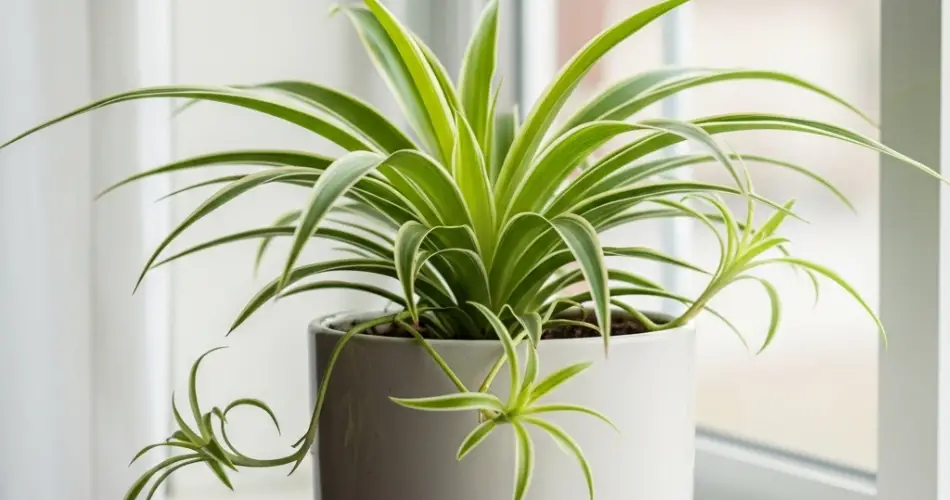
Spider plants (Chlorophytum comosum) are among the most popular and beginner-friendly houseplants. Known for their graceful arching leaves and baby plant offshoots (often called “spiderettes”), they make excellent decorative additions to shelves, hanging baskets, and windowsills.
Easy to care for and adaptable to many indoor environments, spider plants thrive in pots with proper watering, lighting, and a little attention to their growing habits. Here’s how to keep your potted spider plant healthy and flourishing all year round.
Choosing the Right Pot for Your Spider Plant
Spider plants aren’t fussy about containers, but some choices can help them grow better and look more attractive indoors.
-
Material: Terracotta, ceramic, or plastic pots all work. Terracotta is ideal if you tend to overwater, as it dries out faster. Plastic pots retain more moisture, suitable for warmer, drier climates.
-
Size: Select a pot that’s just a bit larger than the root ball. Spider plants like being a little root-bound and can outgrow their containers quickly, especially when they’re thriving.
-
Drainage: This is crucial. Ensure the pot has at least one drainage hole to prevent water from pooling at the bottom and causing root rot.
The Right Soil Mix
Spider plants prefer well-draining soil that holds moisture but doesn’t stay soggy.
You can use standard potting mix, but improve drainage by mixing in:
-
Perlite
-
Pumice
-
Coarse sand
Avoid heavy garden soil or mixes that retain too much water. A soil pH between 6.0 and 7.0 is ideal.
Light Requirements
Spider plants enjoy bright, indirect light but are highly adaptable.
-
Best Location: Place the pot near a window that receives filtered sunlight. An east- or north-facing window works well.
-
Too Much Sun: Direct sunlight can scorch the leaves, causing brown tips or faded patches.
-
Too Little Light: In low light, the plant may lose its vibrant coloring or grow slower, but it will still survive.
If growing under artificial light, spider plants do well under fluorescent or LED grow lights for 12–14 hours a day.
How to Water Spider Plants
Watering spider plants properly is key to their overall health. They prefer slightly moist soil but are sensitive to overwatering.
Watering Guidelines:
-
Water when the top inch of soil feels dry to the touch.
-
Use room-temperature water.
-
Allow water to drain completely from the bottom of the pot.
-
Avoid letting the plant sit in a saucer of standing water.
Frequency:
-
Spring and summer: Water once a week or when the soil dries out.
-
Fall and winter: Reduce to every 10–14 days as growth slows.
Spider plants are sensitive to chemicals like chlorine and fluoride found in tap water. If you notice browning leaf tips, try using distilled water or let tap water sit overnight before watering.
Humidity and Temperature Needs
Spider plants enjoy moderate to high humidity and do best in temperatures between 60°F and 80°F (15°C to 27°C).
If indoor air is dry (especially in winter):
-
Mist the plant occasionally.
-
Use a humidity tray or room humidifier.
-
Group plants together to create a more humid microclimate.
Avoid placing your spider plant near heating vents, air conditioners, or cold drafts.
Fertilizing for Healthy Growth
Feed your spider plant during the growing season to encourage vibrant foliage and healthy roots.
-
Use a balanced liquid houseplant fertilizer every 4–6 weeks in spring and summer.
-
Dilute the fertilizer to half the recommended strength.
-
Do not overfertilize, as it can cause salt build-up and leaf tip burn.
Skip fertilizing during the fall and winter months when the plant is naturally less active.
Propagation and Growth Habits
One of the most fun aspects of spider plants is their ability to produce offshoots or “babies” from arching stems.
To propagate:
-
Wait until the spiderette has small roots.
-
Snip it from the mother plant.
-
Plant it directly in moist soil or root it in water first.
-
Once established, pot it as you would a mature plant.
Spider plants grow quickly and may need repotting every 1–2 years. If roots begin to push out of the pot or water drains too slowly, it’s time to upgrade the container.
Common Problems and Solutions
-
Brown leaf tips: Often caused by low humidity, chemical-laden water, or overfertilizing. Switch to filtered water and reduce feeding.
-
Pale or drooping leaves: May indicate underwatering or lack of light. Adjust care accordingly.
-
Mushy roots or yellowing leaves: Sign of overwatering. Check drainage and allow soil to dry before watering again.
Spider plants are non-toxic to humans and pets, making them a safe choice for households with children or animals.
Conclusion
Spider plants are hardy, elegant, and rewarding to grow in pots. With the right balance of water, light, and care, they’ll brighten up your indoor space while purifying the air. Whether you’re new to plant care or an experienced gardener, this resilient houseplant is a delightful addition to any home.


