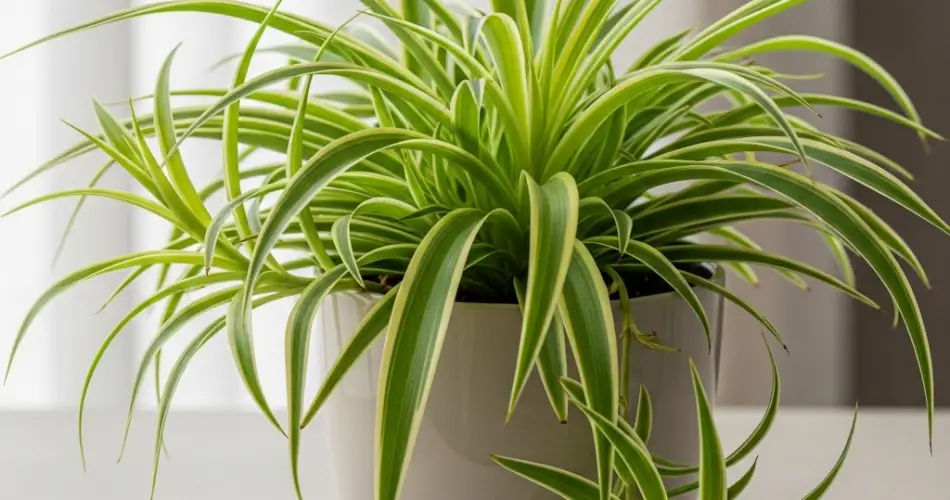
Spider plants (Chlorophytum comosum) are one of the most popular indoor houseplants thanks to their graceful arching leaves, adaptability, and air-purifying qualities. One of their most charming features is their ability to produce “babies” or offshoots—small plantlets that grow on long stems extending from the mother plant. These offshoots are not only a sign of a healthy plant but also an excellent opportunity to propagate new spider plants. Repotting spider plant offshoots is simple, fun, and a great way to expand your indoor greenery. Here’s a complete, beginner-friendly guide on how to do it.
What Are Spider Plant Offshoots?
Spider plant offshoots are miniature versions of the parent plant that sprout from long, arching stems. Also known as “pups” or “plantlets,” these offshoots eventually develop their own roots while still attached to the mother plant. Once they have a few visible roots or strong growth, they’re ready to be repotted into their own containers.
When to Repot Spider Plant Offshoots
The best time to repot spider plant offshoots is during the growing season—typically spring through early fall. During this time, both the offshoot and the new roots will establish quickly.
You’ll know an offshoot is ready for repotting when:
-
It has small roots forming.
-
The plantlet is about 2–3 inches long or larger.
-
It appears healthy, with firm leaves and good coloration.
If the offshoot doesn’t have visible roots yet, you can still root it in water or soil first before transplanting it.
Materials You’ll Need
Repotting spider plant offshoots doesn’t require any special tools, but it helps to prepare the following:
-
Clean scissors or pruning shears
-
Small pots (4 to 6 inches in diameter)
-
Well-draining potting mix
-
Spray bottle or watering can
-
Optional: Rooting hormone and a clear jar (for water rooting)
How to Repot Spider Plant Offshoots in Soil
-
Select Healthy Offshoots
Choose offshoots that are firm, green, and ideally already have small root nubs. -
Detach from the Mother Plant
Use clean scissors to snip the offshoot as close to the base of the connecting stem as possible. Alternatively, you can leave the plantlet attached and root it while still connected—then snip once rooted. -
Prepare the Pot and Soil
Fill a small pot with a well-draining potting mix. A combination of regular indoor plant soil and perlite or coarse sand works well for spider plants. Ensure the pot has drainage holes. -
Plant the Offshoot
Create a small hole in the center of the soil and gently insert the base of the plantlet. If it already has roots, bury them in the soil and press gently to keep the plant stable. -
Water Lightly
Mist the soil lightly or give a small amount of water until moist but not soggy. Keep the plant in indirect light and maintain even moisture for the first few weeks.
Water Rooting Method (Optional)
If you prefer to root the offshoot in water before potting, follow these steps:
-
Place the offshoot in a small jar of water, ensuring only the base and root area are submerged.
-
Change the water every few days to keep it clean.
-
After 1–2 weeks, when strong roots have formed, pot the plantlet in soil following the same instructions above.
This method can be fun for kids or anyone who enjoys seeing roots develop before planting.
Caring for Newly Potted Spider Plant Offshoots
Once your spider plant offshoot is in its new home, a little aftercare goes a long way:
-
Light: Keep it in a bright spot with indirect sunlight. Avoid direct sun, which can scorch the leaves.
-
Water: Water when the top inch of soil feels dry. Do not overwater, especially during the first weeks of root establishment.
-
Humidity: Spider plants enjoy moderate humidity but adapt well to typical indoor conditions.
-
Fertilizing: Wait about a month before feeding. Then, use a balanced liquid fertilizer diluted to half strength once a month during the growing season.
Common Repotting Mistakes to Avoid
-
Using a pot that’s too large: Small plantlets do best in small pots. Too much soil can hold excess moisture, increasing the risk of root rot.
-
Overwatering: Young roots are delicate. Only water when the soil feels dry to the touch.
-
Low light: While adaptable, spider plant babies still need moderate light to grow strong.
Final Thoughts
Repotting spider plant offshoots is one of the easiest and most satisfying ways to grow your indoor plant collection. With just a little time and care, these charming pups will thrive and mature into full-sized plants that can later produce offshoots of their own. Whether you’re looking to decorate your windowsill, share plants with friends, or build your own indoor jungle, spider plants are a rewarding and beginner-friendly choice. Give them a cozy pot, a bit of light, and occasional water, and watch them flourish.


