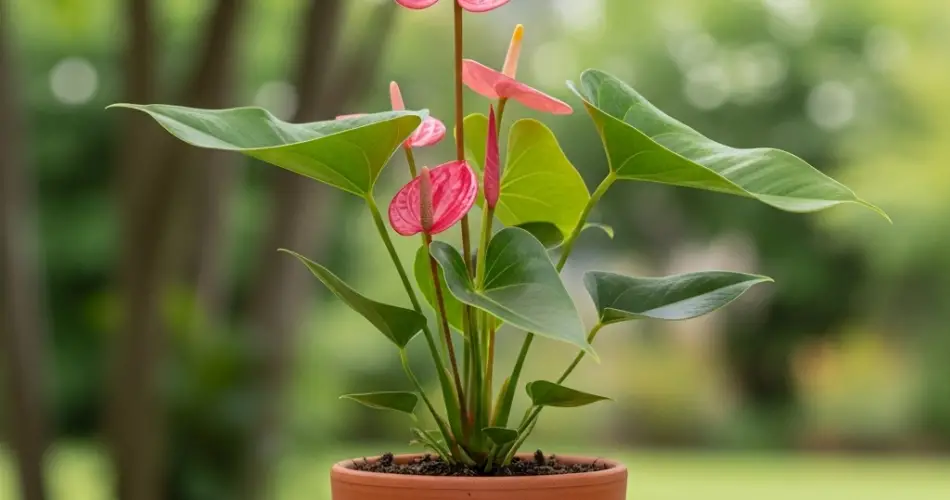
Anthuriums, also known as flamingo flowers or laceleaf, are beloved for their vibrant spathes and glossy green leaves. With proper care and the right container, these tropical beauties can thrive indoors for years, making them a striking addition to any home. Whether you prefer ceramic pots for their aesthetic appeal or plastic pots for their practicality, Anthuriums adapt well to both—provided you meet their basic needs. This guide walks you through the essentials of growing Anthurium in containers and selecting the right pot to ensure lush foliage and long-lasting blooms.
Choosing the Right Pot
Both ceramic and plastic pots have their advantages, and your choice depends on your priorities:
-
Ceramic Pots: These are often more decorative and provide a stable base due to their weight. They help regulate soil temperature and moisture better than plastic. However, glazed ceramic pots may not have drainage holes, so be sure to select one that allows excess water to escape.
-
Plastic Pots: Lightweight, inexpensive, and widely available, plastic pots are easy to move and come in many sizes and colors. They retain moisture longer than ceramic, which is beneficial in dry environments but requires caution in more humid climates.
Regardless of material, the key is to choose a pot with good drainage. Anthuriums hate soggy soil and are prone to root rot if water isn’t allowed to drain freely.
Pot Size Matters
Anthuriums prefer being slightly root-bound, so avoid using pots that are too large. A pot that is just one to two inches wider than the plant’s root ball is ideal. Oversized containers can retain too much moisture, which increases the risk of overwatering.
When repotting, step up to the next size only if roots are visibly growing out of the drainage holes or circling the inside of the pot. Repotting is usually needed every two to three years.
Ideal Soil for Potted Anthuriums
Anthuriums thrive in a loose, well-aerated potting mix that mimics the conditions of their native rainforest floor. A good mix includes:
-
Orchid bark or pine bark for structure
-
Peat moss or coco coir for moisture retention
-
Perlite for drainage
You can use a pre-mixed aroid blend or combine equal parts orchid bark, perlite, and peat-based potting soil. This ensures the roots receive adequate air circulation while holding enough moisture to support healthy growth.
Planting Your Anthurium
-
Prepare the Pot: If using a ceramic pot with a single bottom hole, consider placing a layer of small stones or broken pottery to prevent clogging.
-
Check the Roots: Gently remove the plant from its nursery container and inspect the roots. Trim any brown, mushy, or rotten sections with sterilized scissors.
-
Add Soil Mix: Place some of the potting mix in the bottom of the pot, creating a mound in the center to spread out the roots.
-
Position the Plant: Set the Anthurium in the pot so that the base of the stem is slightly above the soil line. Fill in around the sides, gently pressing the mix to secure the plant.
-
Water Thoroughly: Water the plant until it drains from the bottom. This helps settle the soil and hydrate the roots.
Care Tips for Container-Grown Anthuriums
-
Light: Place your Anthurium in bright, indirect sunlight. Avoid direct sun, which can scorch leaves, but don’t keep it in deep shade either.
-
Watering: Water when the top inch of soil feels dry. Reduce frequency during the cooler months. Be cautious not to overwater—always let excess moisture drain out completely.
-
Humidity: Anthuriums love humidity. Mist the leaves regularly or place a humidity tray nearby. Alternatively, grouping plants together can help maintain ambient moisture.
-
Fertilizing: Feed with a balanced liquid fertilizer (diluted to half strength) every 6–8 weeks during the growing season (spring and summer). Avoid overfeeding, which can damage roots and leaves.
-
Cleaning Leaves: Dust can build up on the glossy foliage. Wipe leaves occasionally with a damp cloth to maintain their shine and help the plant breathe.
Signs of Stress and How to Fix Them
-
Yellow Leaves: Often a sign of overwatering or poor drainage. Check if the potting mix is too wet and ensure the container drains well.
-
Brown Tips: Usually caused by dry air, low humidity, or excess salts from fertilizer. Increase humidity and flush the soil monthly to remove buildup.
-
Lack of Blooms: Ensure the plant is receiving enough light. While Anthuriums can survive in medium light, they bloom best in bright, filtered light.
Final Thoughts
Growing Anthuriums in stylish ceramic or plastic pots is both practical and decorative. These adaptable plants flourish when their roots are snug, their soil is airy, and their environment mimics the tropics. With just a bit of attention and the right pot, your Anthurium can reward you with continuous bursts of color and lush foliage, brightening up any room with a touch of elegance and exotic charm.


