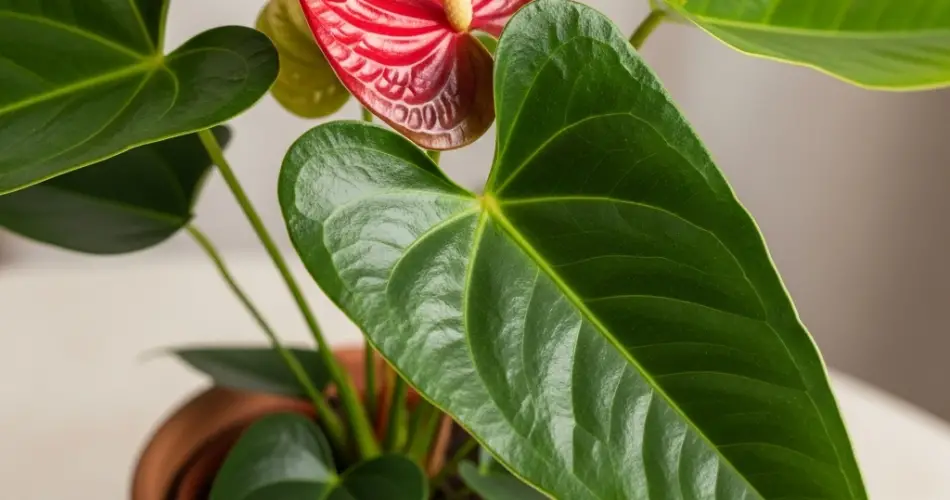
Anthuriums, often called “flamingo flowers” or “laceleaf,” are tropical plants known for their glossy, heart-shaped leaves and long-lasting, colorful spathes that are often mistaken for flowers. Their vibrant red, pink, purple, or white “blooms” are actually modified leaves that frame the central flower spike, making anthuriums a favorite choice for indoor plant enthusiasts.
To keep these striking plants healthy and blooming, proper potting is essential. Whether you’re starting with a nursery plant or repotting an established one, here’s a comprehensive guide to potting anthuriums for vibrant foliage and long-lasting color.
Choosing the Right Pot
Selecting the right container is the first step to successful anthurium care.
-
Size Matters: Anthuriums prefer slightly snug pots. Choose a container that’s just one size larger than the root ball. Overpotting can lead to excess moisture retention and root rot.
-
Drainage is Crucial: Always use pots with drainage holes. Anthuriums dislike sitting in soggy soil, and good drainage will help protect their roots.
-
Material Options: Terracotta pots help the soil dry more quickly, making them ideal for those who tend to overwater. Plastic pots retain moisture longer, which may be better for dry climates.
If you’re growing your plant for decorative purposes, you can place the functional pot inside a larger cachepot without drainage—just remember to remove the inner pot when watering.
Best Potting Mix for Anthuriums
Anthuriums are epiphytic in nature, meaning they grow on other surfaces in the wild rather than in traditional soil. Mimicking these conditions with the right potting mix is key.
Ideal components for a well-draining mix:
-
Orchid bark or pine bark
-
Perlite or pumice
-
Coco coir or peat moss
-
Charcoal (optional, helps prevent rot)
You can also use a high-quality orchid or aroid mix and adjust it by adding more perlite for extra drainage. Avoid dense garden soil or heavy potting mixes that retain water.
How to Pot or Repot an Anthurium
Whether you’re potting a new plant or refreshing an older one, the process is straightforward:
-
Remove the Plant: Gently take the anthurium out of its current pot. Loosen the root ball slightly if it’s tightly packed.
-
Inspect the Roots: Trim away any dead, mushy, or discolored roots with clean scissors.
-
Prepare the Pot: Add a layer of fresh potting mix at the bottom of the new container.
-
Position the Plant: Center the plant in the pot and fill around it with more potting mix, ensuring the crown (where stems emerge from the roots) sits just above the soil surface.
-
Water Thoroughly: After potting, water the plant well and allow excess water to drain completely.
It’s best to repot anthuriums every 1–2 years or when they become root-bound.
Watering After Potting
Anthuriums need moist but not soggy soil. After repotting, water the plant thoroughly and then allow the top inch of soil to dry out before watering again.
Watering Tips:
-
Use room-temperature water.
-
Water less frequently in cooler months.
-
Ensure all excess water drains away—never let the plant sit in water.
Lighting and Placement
To keep your anthurium blooming brightly, place it in a location with bright, indirect light.
-
Ideal Spot: Near an east- or north-facing window with filtered light.
-
Avoid Direct Sun: Too much sun can scorch the leaves and cause discoloration.
-
Too Little Light: Low-light conditions can result in fewer or smaller blooms.
If natural light is limited, anthuriums can thrive under grow lights as long as they receive 10–12 hours of light per day.
Fertilizing for Colorful Flowers
Feeding your anthurium regularly helps maintain healthy growth and frequent blooming.
-
Use a balanced liquid houseplant fertilizer (like 20-20-20) diluted to half strength.
-
Feed every 6–8 weeks during the growing season (spring to early autumn).
-
Avoid over-fertilizing, which can lead to salt buildup and leaf burn.
Common Potting Mistakes to Avoid
-
Using the wrong soil: Regular potting soil can suffocate roots. Always use a light, airy mix.
-
Overpotting: Too much extra space retains excess moisture and can cause root problems.
-
Skipping drainage: Even a beautiful pot must allow water to escape. Always prioritize function.
Signs It’s Time to Repot
-
Roots growing out of drainage holes
-
Soil that dries too quickly or not at all
-
The plant becomes top-heavy or tips over
-
Fewer blooms or stunted growth
Repotting can refresh the soil and provide more space for healthy root development.
Conclusion
Potting anthuriums correctly helps them thrive indoors, delivering bold foliage and vibrant spathes year-round. With the right container, a breathable potting mix, and consistent watering habits, your anthurium can become a low-maintenance showpiece that adds a touch of tropical flair to your living space.


