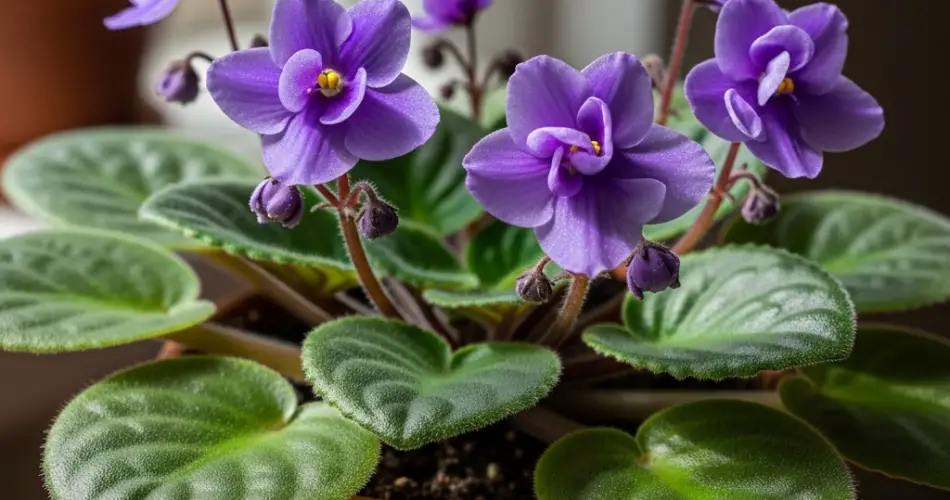
African violets (Saintpaulia) are charming houseplants known for their vibrant, velvety blooms and fuzzy, compact foliage. With proper care and a suitable container, these tropical beauties can thrive indoors and bloom year-round. Whether you’re new to houseplants or just starting your African violet journey, this step-by-step guide will walk you through everything you need to grow healthy and flowering African violets in pots.
1. Choose the Right Pot
Selecting an appropriate pot is the first step to success. African violets have delicate roots that prefer slightly snug spaces, so avoid oversized containers.
Ideal pot features include:
-
Size: Use a pot that is 1/3 the diameter of the plant’s leaf spread. For example, if the plant is 6 inches wide, a 2-inch pot is a good fit.
-
Drainage: The pot must have drainage holes to prevent water from pooling at the bottom and causing root rot.
-
Material: Plastic pots retain moisture better, while clay pots provide breathability. Either can work well, depending on your watering habits.
Self-watering African violet pots, which consist of an inner and outer pot separated by a water reservoir, can be helpful for beginners.
2. Use the Right Potting Mix
African violets don’t do well in regular potting soil. They need a light, porous, and well-draining mix to support their fine roots.
Recommended mix options:
-
A commercial African violet potting mix.
-
A homemade mix of 50% peat moss or coco coir, 25% perlite, and 25% vermiculite.
Avoid heavy garden soil or dense mixes, which can retain too much moisture and suffocate the roots.
3. Proper Planting Technique
When transferring your African violet to a pot:
-
Prepare the pot: Fill the pot about halfway with the moistened potting mix.
-
Position the plant: Place the plant so the base of the leaves sits just above the soil line.
-
Add soil gently: Fill in around the roots without compacting the soil.
-
Water lightly: Water the plant gently from the bottom or with a watering can with a narrow spout to avoid wetting the leaves.
Avoid burying the crown (where the leaves emerge from the base), as this can cause rot.
4. Watering African Violets
Consistent watering is key to keeping African violets healthy, but overwatering is a common mistake.
Tips for watering:
-
Water when the top inch of the soil feels dry.
-
Bottom watering is recommended: place the pot in a saucer of water for 20–30 minutes, then remove it.
-
If watering from the top, pour gently onto the soil and avoid getting water on the leaves, as this can cause spotting or rot.
Use room-temperature water, as cold water can shock the roots.
5. Provide the Right Light
African violets need bright but indirect light to bloom regularly.
-
Ideal placement: Near an east- or north-facing window.
-
Avoid direct sunlight: Harsh rays can scorch the leaves.
-
Supplement with grow lights: If natural light is limited, use fluorescent or LED grow lights for 12–14 hours a day.
Leaves that grow long and reach outward may be a sign the plant is not receiving enough light.
6. Maintain Proper Humidity and Temperature
African violets thrive in warm, humid conditions.
-
Temperature: Keep them in a range of 65–75°F (18–24°C).
-
Humidity: Aim for 50–60%. If your home is dry, use a humidity tray or place a small humidifier nearby.
Keep the plant away from drafts, cold windows, and heating vents, which can stress it.
7. Fertilize for Continuous Blooms
To encourage lush flowering, fertilize your African violet regularly.
-
Use a balanced, water-soluble fertilizer (such as 14-12-14) formulated for African violets.
-
Feed every 4–6 weeks during the growing season (spring through fall).
-
Avoid over-fertilizing, which can lead to salt buildup or foliage burn.
8. Groom and Repot as Needed
Routine maintenance will help your plant stay healthy and attractive.
-
Remove dead blooms and yellow leaves regularly to encourage new growth.
-
Repot every 6–12 months or when the plant becomes root-bound. This refreshes the soil and prevents compaction.
-
Divide and propagate by separating offshoots or using leaf cuttings if the plant becomes crowded.
9. Watch for Common Problems
Keep an eye out for signs of distress:
-
Yellowing leaves may indicate overwatering or poor drainage.
-
Lack of blooms could result from insufficient light or feeding.
-
Leaf spotting may be due to cold water on the leaves or fungal issues.
By catching issues early, you can quickly adjust your care routine and keep your plant healthy.
Conclusion
Growing African violets in pots is a rewarding hobby that brings long-lasting color and beauty to any indoor space. With the right pot, soil, lighting, and care, even beginners can enjoy vibrant blooms year-round. By following this simple guide, you’ll be well on your way to mastering African violet care and enjoying these charming plants for years to come.


