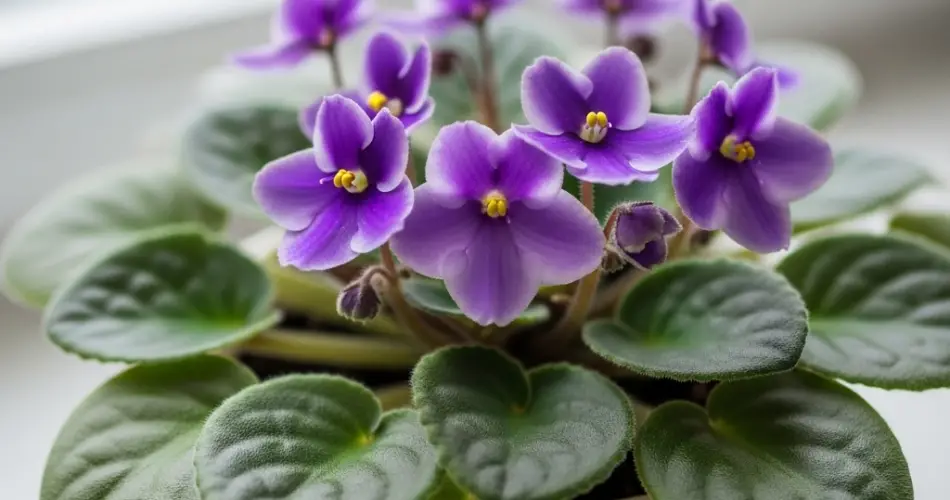
African violets are one of the most beloved indoor plants, known for their soft, velvety leaves and delicate, colorful blooms. These compact beauties can thrive indoors for years when given the proper care—especially when it comes to potting. Understanding the right pot size, soil type, and replanting routine can dramatically influence the health and flowering of your African violets. Whether you’re nurturing a new plant or refreshing an older one, this guide outlines everything you need to know for potting success.
Choosing the Right Pot for African Violets
African violets prefer small pots. It may seem counterintuitive, but these plants bloom best when their roots are slightly crowded. Using a pot that’s too large can result in excessive root growth at the expense of flowers.
Ideal pot sizes:
-
For young or small plants, start with a 2- to 3-inch diameter pot.
-
Mature violets do well in 4- to 5-inch pots, depending on the size of the leaf spread.
When selecting a pot, ensure it has drainage holes. African violets are sensitive to overwatering and root rot, so the container must allow excess water to escape. Self-watering pots can also be a good choice if you tend to forget regular watering, as they provide consistent moisture from the bottom.
Selecting the Best Soil Mix
Regular potting soil is too heavy for African violets. These plants thrive in a light, fluffy, and well-aerated mix that allows water to drain easily while still retaining some moisture.
A good soil mix should include:
-
Peat moss or coco coir (for moisture retention)
-
Perlite or vermiculite (for aeration and drainage)
-
Optional: a small amount of compost or worm castings for natural nutrients
You can purchase ready-made African violet soil or create your own blend by mixing equal parts of peat moss, perlite, and vermiculite.
When and How to Repot
African violets benefit from being repotted about once or twice a year. Regular repotting keeps the soil fresh, prevents compaction, and encourages blooming.
Signs your violet needs repotting:
-
Roots growing out of the drainage holes
-
Soil that dries out too quickly or remains soggy
-
Yellowing leaves or slow growth
-
A long, bare neck at the base of the plant
Steps to repot an African violet:
-
Prepare the new pot: Choose a pot one size larger if needed. Fill it partway with fresh soil mix.
-
Remove the plant gently: Hold the plant at the base and tilt it out of the current pot. Be careful not to damage the leaves or crown.
-
Inspect the roots: Trim any dead or mushy roots with sterilized scissors. Gently shake off old soil.
-
Replant at the correct depth: Place the violet in the center of the new pot. The base of the lowest leaves should rest just above the soil line. Fill in with soil, pressing gently to secure the plant without compacting the mix.
-
Water lightly: Use room temperature water and pour slowly into the soil—not onto the leaves. Let the excess drain completely.
Tips for Keeping African Violets Healthy After Potting
-
Watering: Keep the soil evenly moist but never soggy. Water from the bottom if possible to prevent crown rot. Allow the plant to soak up water through the drainage holes for about 30 minutes, then pour off any excess.
-
Light: African violets thrive in bright, indirect light. East- or north-facing windows are ideal. Too much sun can scorch leaves, while too little can prevent blooming.
-
Humidity: These plants enjoy humidity levels between 40–60%. If your home is dry, place a humidity tray nearby or group several plants together.
-
Fertilizing: Feed with a balanced, water-soluble fertilizer made for African violets every 4–6 weeks. Avoid overfeeding, as this can lead to leaf or root damage.
-
Grooming: Remove dead flowers and damaged leaves regularly to keep the plant tidy and encourage new growth.
Common Potting Mistakes to Avoid
-
Using the wrong soil: Heavy garden soil suffocates roots. Always use a light, airy mix.
-
Overpotting: A pot that’s too large retains too much moisture and delays flowering.
-
Watering from above: Moisture on leaves can cause spotting or rot. Use a watering can with a long spout or bottom-water.
-
Ignoring signs of stress: Droopy leaves, a pale crown, or no blooms may signal poor soil, lighting, or overwatering.
Final Thoughts
Potting African violets correctly is key to their long-term happiness. With the right-sized pot, a loose and breathable soil mix, and regular repotting, these charming houseplants will reward you with vibrant blooms and lush foliage throughout the year. Their low-maintenance nature and compact form make them a perfect choice for indoor gardeners of all levels, and with a little care, your African violets can brighten your space for years to come.


