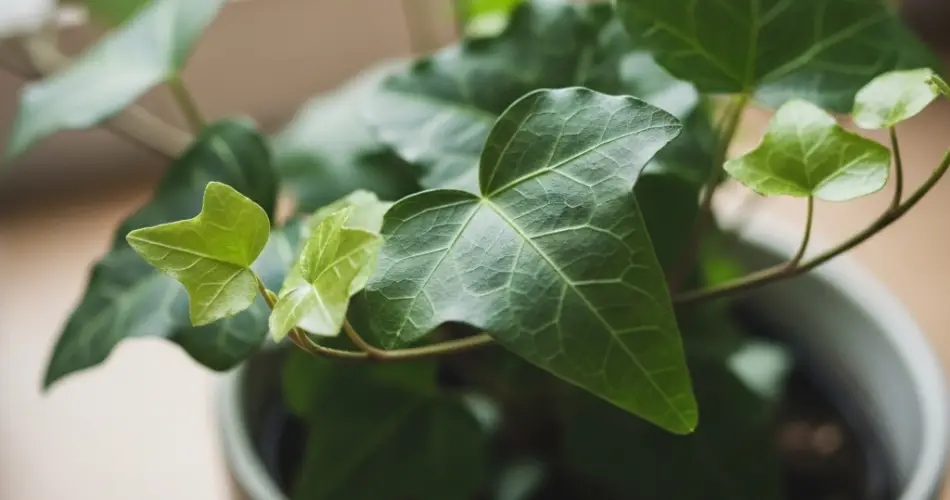
English ivy (Hedera helix) is a classic, elegant houseplant known for its cascading vines and air-purifying abilities. Whether placed in hanging baskets, tabletop planters, or allowed to climb trellises, this low-maintenance plant adds a refreshing green accent to indoor spaces. To help your ivy thrive and trail beautifully, follow these practical potting and care tips.
1. Choose the Right Pot for English Ivy
English ivy grows well in containers, but selecting the proper pot is crucial for healthy roots and vibrant foliage.
What to look for:
-
Size: Use a pot that comfortably accommodates the root ball with a little room to grow. Overly large pots can lead to water retention and root rot.
-
Drainage: Drainage holes are essential. Ivy dislikes soggy soil, so ensure excess water can easily escape.
-
Material: Terra cotta pots offer excellent breathability and help prevent overwatering. Plastic pots retain moisture better and may suit drier indoor environments.
For trailing displays, consider placing ivy in a hanging pot, decorative pedestal planter, or shelf-edge container to encourage natural vine draping.
2. Use Well-Draining Potting Mix
Ivy prefers well-aerated, slightly moist soil that doesn’t compact easily.
Ideal potting mix includes:
-
A high-quality houseplant potting mix.
-
Or a homemade blend of 2 parts peat moss or coco coir, 1 part perlite, and 1 part compost or bark.
Avoid heavy garden soil or moisture-retentive mixes, which can suffocate the roots.
3. Potting or Repotting Steps
When potting or repotting English ivy:
-
Prepare the container: Fill the bottom with a layer of fresh potting mix.
-
Loosen the root ball: Gently tease apart roots if they’re densely packed or circling the bottom.
-
Position the plant: Set the plant so the crown (where the stems meet the roots) is level with the top of the soil.
-
Fill and firm: Add more soil around the roots, pressing lightly to remove air pockets.
-
Water thoroughly: Moisten the soil until water drains from the bottom.
Repot when the roots start circling the inside of the pot or when growth appears stunted—typically every 1–2 years.
4. Light Requirements
To keep ivy lush and trailing, light plays a big role.
-
Bright, indirect light is ideal. East- or north-facing windows are great.
-
Avoid harsh direct sunlight, which can scorch the leaves.
-
Ivy can tolerate low light, but growth may slow, and variegated varieties can lose their color.
If growing in dim corners, consider rotating the plant regularly or supplementing with artificial grow lights.
5. Watering: Don’t Overdo It
English ivy prefers evenly moist soil, but overwatering is one of the most common mistakes.
Watering tips:
-
Check moisture by sticking a finger an inch into the soil. Water when the top layer feels dry.
-
Water thoroughly, letting excess drain out, then empty the saucer after 15–20 minutes.
-
Reduce watering in cooler months when growth slows.
Crispy leaves may indicate underwatering, while yellowing or wilting leaves often suggest too much water.
6. Feeding for Full, Healthy Growth
Ivy benefits from regular feeding, especially during the growing season (spring through early fall).
-
Use a balanced, water-soluble houseplant fertilizer every 4–6 weeks.
-
Dilute to half-strength to avoid fertilizer burn.
-
Suspend feeding during winter, when the plant is typically less active.
7. Pruning and Training Vines
Regular trimming encourages bushier growth and prevents leggy or tangled vines.
-
Trim back stems to maintain shape or encourage branching.
-
Pinch the tips of vines to stimulate fuller growth.
-
Use plant ties, clips, or soft wire to guide ivy along trellises, supports, or hanging planters.
Remove dead or yellowing leaves promptly to keep the plant looking tidy and healthy.
8. Watch for Common Problems
English ivy is generally hardy but can encounter a few issues indoors.
-
Spider mites: Look for webbing and stippled leaves. Wipe down the foliage and increase humidity.
-
Root rot: Avoid letting soil stay soggy. Ensure proper drainage and don’t let the pot sit in water.
-
Leggy growth: Usually caused by insufficient light. Move the plant closer to a window or add supplemental lighting.
Keeping humidity levels around 40–50% helps reduce pest problems and promotes lush foliage.
9. Propagation Made Simple
Ivy is easy to propagate if you want more plants or need to refresh a leggy one.
-
Snip a 4–6 inch stem with several leaves.
-
Remove the bottom leaves and place the cutting in water or moist potting mix.
-
In a few weeks, roots will form. Once well-rooted, transplant into a small pot with fresh soil.
Propagation is a great way to multiply your ivy and maintain its youthful appearance.
Conclusion
English ivy brings a touch of classic greenery to indoor spaces and adapts well to containers when properly potted. With the right soil, light, and watering routine, your ivy will reward you with beautiful trailing vines and healthy growth. Whether you’re aiming for a hanging basket look or a desktop cascade, proper potting is the first step to helping your ivy thrive indoors all year long.


